The plan
The sumo deadlift looks like a shortcut until the setup is wrong. Put the feet too wide and the athlete cannot push the floor. Let the bar drift forward and the lift turns into a slow pull with the back doing more work than it should.
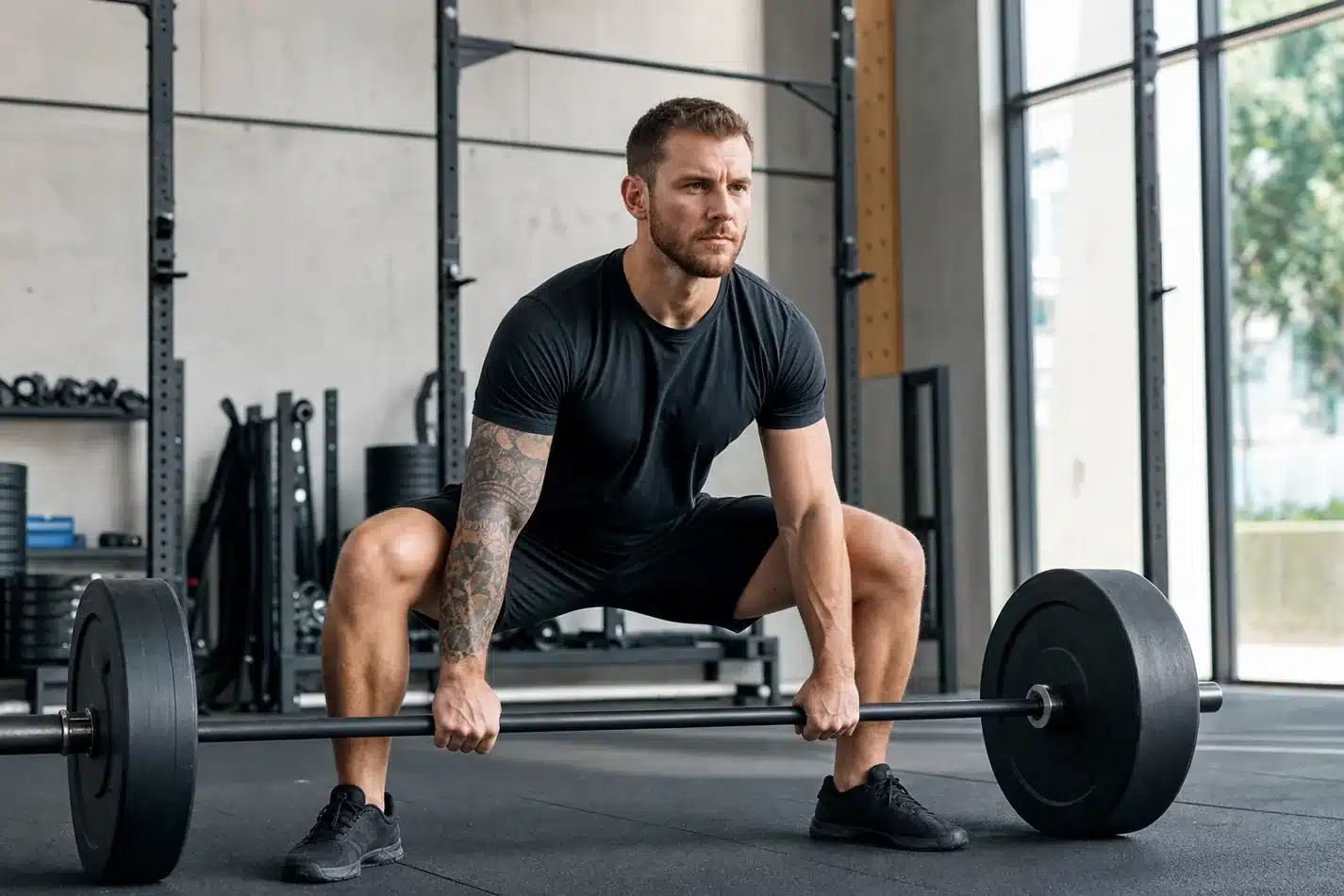
In CrossFit, the sumo deadlift is useful because it teaches a different way to pull from the floor. The stance is wider, the hands sit inside the knees, and the torso often starts more upright than in a conventional pull. That does not make it easier by default. It makes the setup less forgiving.
- Choose a stance wide enough to clear the arms, not so wide that the hips get stuck.
- Keep the bar close. If it drifts forward, the wide stance stops helping.
- Scale load and range before letting the lift turn into a knee cave or back pull.
What the sumo deadlift should train
A good sumo deadlift trains a strong pull from the floor with the hips, legs, and trunk working together. The athlete sets the feet, grips the bar inside the knees, pushes the knees out enough to make room, then stands without jerking the shoulders ahead of the hips.
The lesson still connects to regular deadlift setup. The bar needs to stay close. The midline needs to stay organized. The difference is the stance. The sumo pull asks the athlete to create tension from a wider base instead of relying on the same start position used for every heavy lift.
Find the stance before adding weight
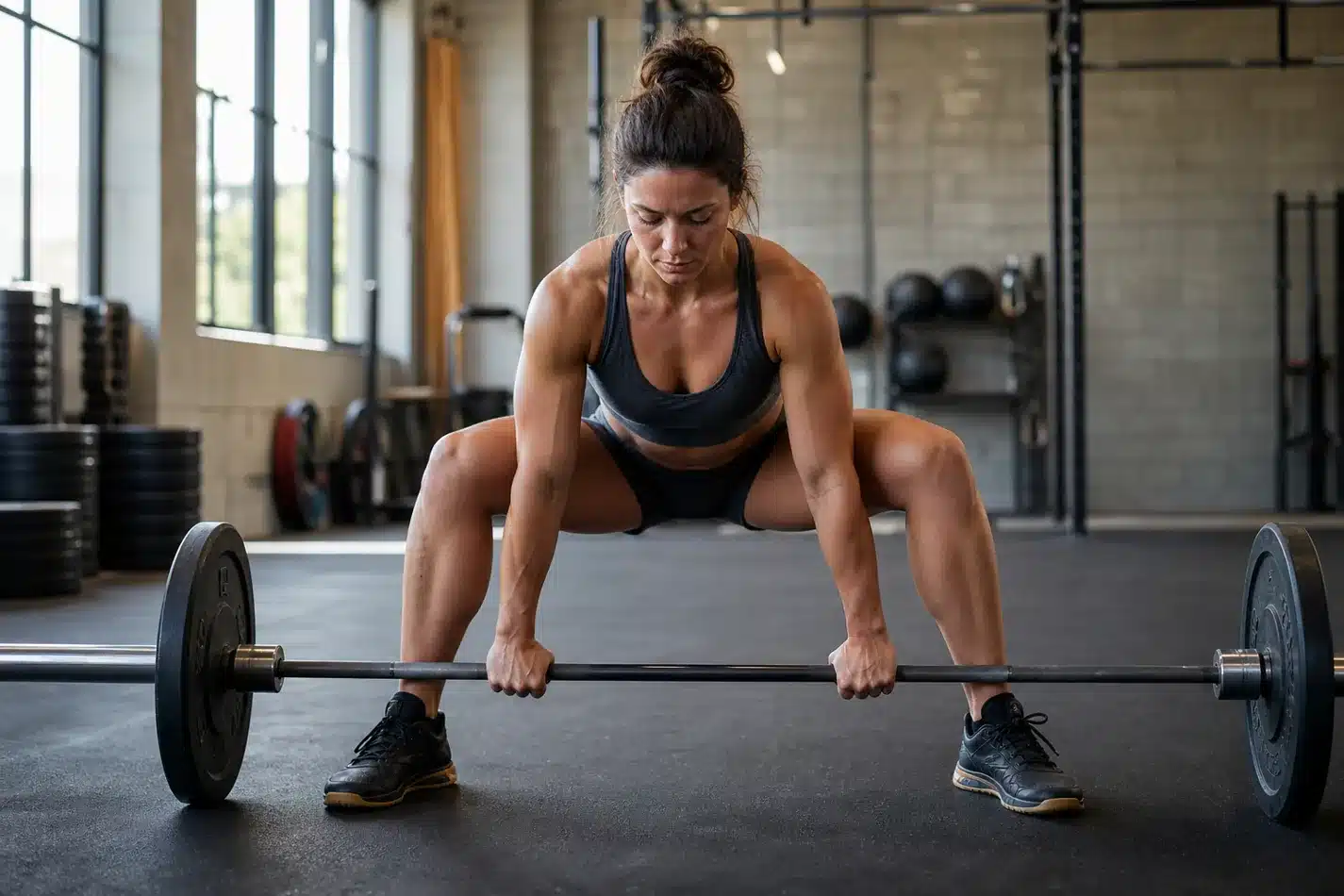
Start with the feet outside the shoulders and turn the toes out slightly. Then adjust. The right stance lets the shins stay close to vertical, the knees track over the toes, and the hands reach the bar without forcing the shoulders in front of it. If the athlete feels jammed before the bar moves, the stance is probably too wide.
The grip should hang straight down from the shoulders. Do not wedge the hands so narrow that the arms rub hard against the thighs. Do not set them so wide that the movement becomes a conventional deadlift with a strange foot position. Small changes make a big difference here.
| Fault | What it usually means | Fix before adding load |
|---|---|---|
| Bar drifts away from the body | The athlete is not pulling the bar back into the legs | Set the lats and start with the bar over the midfoot |
| Knees collapse inward | The stance is too wide or the athlete has lost foot pressure | Narrow the feet slightly and push the knees over the toes |
| Hips shoot up first | The pull starts like a stiff-leg deadlift | Reset the hips and push the floor away |
| Lockout turns into a lean back | The athlete is finishing with the spine instead of the hips | Squeeze the glutes and finish tall without overextending |
How it differs from the high pull
The sumo deadlift and the sumo deadlift high pull bar path share a start position, but they are not the same movement. In the deadlift, the rep ends when the athlete stands tall. In the high pull, the bar keeps moving up the body. That extra pull changes the timing and the shoulder demand.
This matters in workouts. If the workout calls for sumo deadlifts, do not turn every rep into a fast upright row. Stand the bar up, reset, and keep the shoulders quiet. If the workout calls for high pulls, the deadlift portion still has to be clean before the arms take over.
The demo below is useful because it keeps the movement simple. Watch the stance, the knees, and the bar path. The lift should still look like a deadlift, not a squat with the bar hanging from the hands.
How to scale sumo deadlifts in class
Good CrossFit scaling protects the hinge and the stance. Lower the load first. If the athlete still cannot keep the knees tracking or the bar close, raise the bar from blocks or use kettlebells. A lighter dumbbell deadlift setup can also teach the same wide stance without the stress of a heavy barbell.
Tempo helps. Use a slow first inch from the floor, then stand with control. That first inch shows whether the athlete owns the setup. If the bar swings forward right away, more weight will not fix it.
Where it fits in CrossFit training
Sumo deadlifts fit well after a CrossFit warm-up, inside strength work, or as an accessory pull when athletes need a break from the same conventional setup. They also pair well with posterior-chain work like the good morning hinge, back extension control, and kettlebell swing timing because all of them punish lazy trunk position.
Use smaller sets when the workout already has pulling volume, carries, rowing, or grip-heavy work. The wide stance can feel friendly at first, but high-rep sloppy pulls still add up. Athletes who are already taxed from farmer carry posture or rope climbs should treat the bar with more patience, not less.
What to check before your next WOD
Before loading the bar, do three slow reps. Check whether the feet feel rooted, the knees track cleanly, the bar stays close, and the lockout finishes tall. If one of those pieces disappears when the clock starts, reduce the load and keep the stance honest.
The sumo deadlift is not a trick lift. It is a different start position for the same basic job: move the load from the floor without giving the bar a chance to pull you out of shape.


