The plan
The sumo deadlift high pull is one of those CrossFit movements that gets messy fast. It starts on the floor like a deadlift, finishes high like an upright pull, and punishes anyone who tries to turn it into a shrug contest.
Used well, the sumo deadlift high pull teaches a clean chain of power: legs first, hips through, arms last. Used badly, it becomes a stiff back, a swinging barbell, and shoulders doing work they were never meant to own.
- Start wide, grip narrow, and keep the bar close before you think about speed.
- The hips should drive the bar. If the elbows bend early, the movement gets weak and shoulder-heavy.
- Scale the load or range when the bar path drifts forward or the pull turns into pain.
Why this movement feels awkward at first
The sumo deadlift high pull combines two ideas that beginners often separate: leg drive and upper-body timing. You stand the bar up with the legs and hips, then guide it higher with the elbows. That order matters.
When the arm pull starts too soon, the bar slows down and drifts away. The athlete usually responds by shrugging harder or leaning back. That might survive a few light reps, but it breaks down in a WOD with rowing, burpees, or wall walks waiting next.
Set your stance before you touch the bar
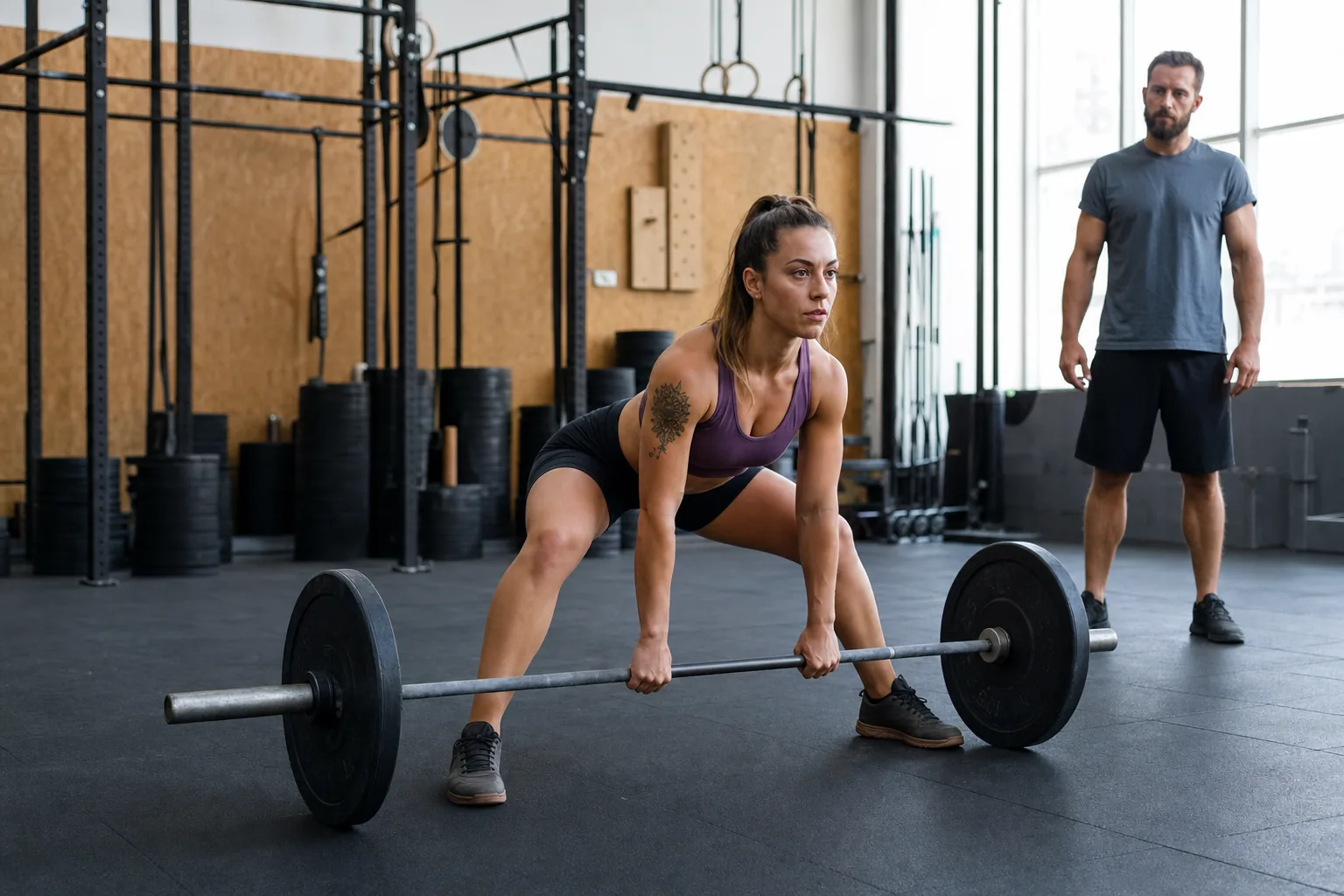
Take a stance wider than your regular deadlift. The feet should feel stable, not stretched. Turn the toes out slightly if that lets the knees track cleanly. Then take a narrow grip, usually inside the legs, with the hands close enough that the elbows can travel high without flaring all over the place.
Before the first rep, brace like you would for a CrossFit deadlift. Chest up, lats tight, eyes neutral. The bar should sit close to the shins. If it starts forward, it will finish forward, and the shoulders will pay the bill.
The pull should happen in this order
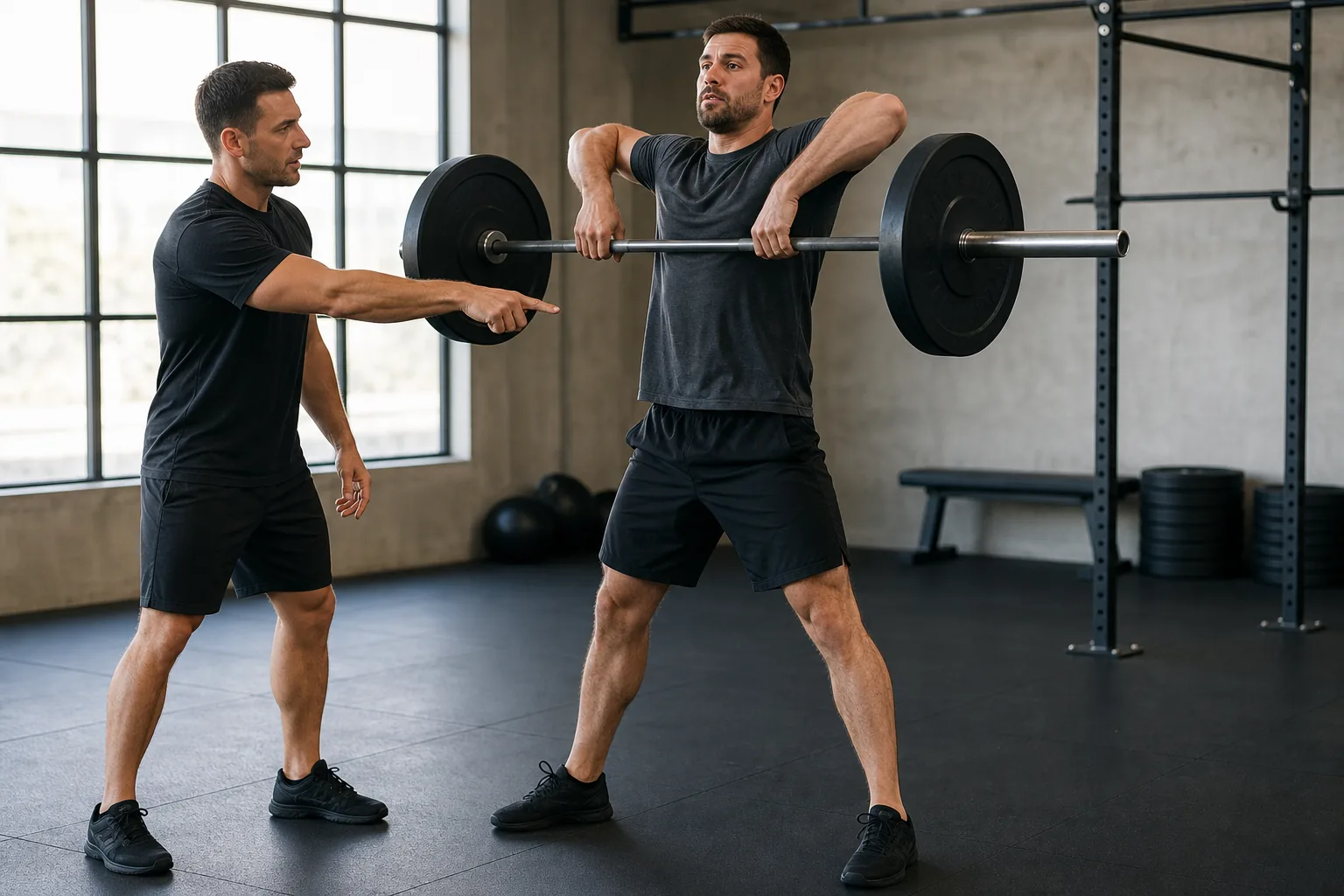
Think legs, hips, elbows. Drive through the floor first. As the bar passes the knees, open the hips hard and let that speed carry the bar upward. Only then do the elbows come high and outside.
The bar does not need to crash into the collarbone. A good target is around the lower chest, depending on the workout standard and the athlete. What matters more is that the bar stays close and the elbows finish above the hands. If the wrists are leading, the timing is probably backward.
| Fault | What you will notice | Fix for the next set |
|---|---|---|
| Early arm pull | The bar feels heavy from rep one | Wait until the hips extend before bending the elbows |
| Bar swings away | You lean back to finish the rep | Keep the lats on and pull the elbows up, not back |
| Knees collapse | The stance feels unstable at the floor | Turn the toes slightly out and push the knees in line with the feet |
| Shoulder pinch | The top of the pull feels sharp or crowded | Reduce load, lower the target, or choose a different movement |
Use this video cue before loading it up
CrossFit's demo is useful here because it shows the movement as a core-to-extremity pattern. Watch how the legs and hips create the speed before the arms finish the pull.
How to practice it without beating up your shoulders
Start with an empty barbell or a light kettlebell. Do not chase the workout weight until the bar path is boringly repeatable. Five slow reps can teach more than 20 rushed reps if you actually feel where the power comes from.
A short warm-up helps too. Open the hips, wake up the posterior chain, and spend a minute on scap control before adding speed. The movement asks for leg drive and shoulder control at the same time, so cold reps tend to look worse than they need to.
When to scale the sumo deadlift high pull
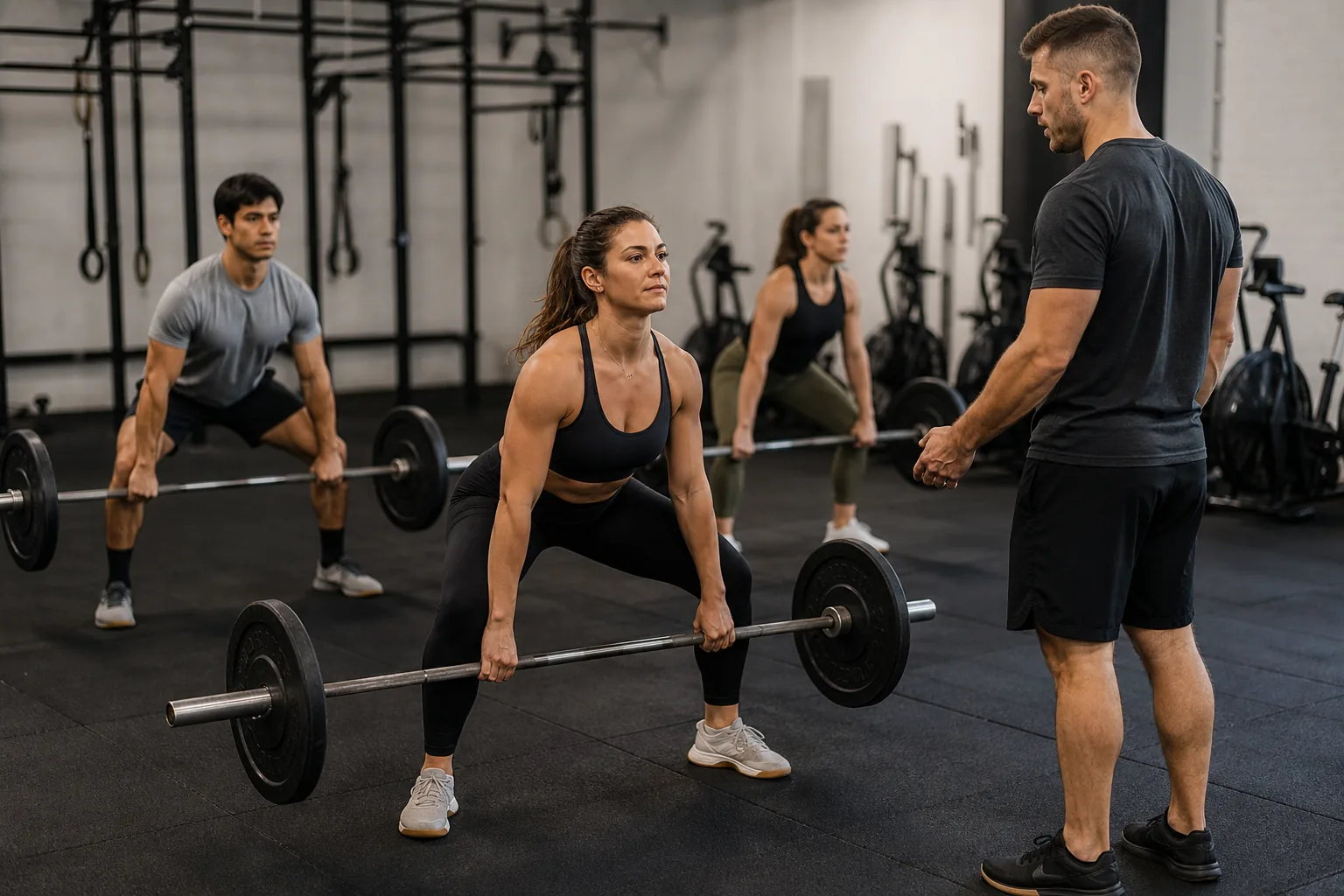
Scale it when the movement stops matching the goal. If the bar drifts forward every rep, lower the weight. If the shoulders feel pinchy, reduce the height of the pull or swap the movement. If the athlete cannot keep the knees tracking, shorten the range and rebuild the setup.
Good options include a lighter barbell, kettlebell sumo deadlift high pulls, Russian kettlebell swings, sumo deadlifts, or rowing if the workout stimulus is mainly conditioning. A smart coach will scale the workout so the athlete trains the engine without turning every rep into a compensation pattern.
What to test in your next training session
Before the clock starts, do three reps and ask one question: did the bar stay close without an early arm bend? If yes, add speed. If no, slow down and fix the order.
The sumo deadlift high pull is not supposed to feel fancy. It should feel clean, close, and driven from the floor. Once that happens, the movement becomes a conditioning tool instead of a shoulder tax.


