The plan
The high hang clean is not a small clean. It is a clean with almost no runway. The bar starts high on the thighs, the athlete gets one sharp extension, and the elbows have to beat the bar to the rack.
That short range is exactly why CrossFit coaches use it. A high hang clean exposes athletes who pull early with the arms, let the bar drift, or wait too long to meet the bar. When it is done well, it feels fast and quiet. When it is rushed, it turns into a reverse curl with plates.
- Start tall with the bar high on the thighs and the shoulders slightly over it.
- Use a quick hip pop, then pull under. Do not arm-curl the bar to the rack.
- Scale the load before the catch gets slow or the bar starts swinging away.
What the high hang clean is testing
A high hang clean starts above the knee, usually at the upper thigh or pockets. The athlete dips slightly, extends hard, and receives the bar in a front rack. The catch can be power or full depth depending on the workout, but the lesson stays the same: create speed without a long pull from the floor.
That makes it different from deadlift setup work and even from a regular power clean timing. There is less time to fix a bad bar path. If the bar leaves the body early, the athlete has to chase it. If the elbows are slow, the bar crashes. The lift rewards position more than aggression.
Start high, but do not stand lazy
The start position should feel loaded, not relaxed. The bar stays close to the upper thighs. The feet are under the hips. The torso is tall enough to stay balanced, but the shoulders still cover the bar slightly. A tiny dip loads the legs before the athlete extends.
The common mistake is starting too upright and soft. Then the athlete has no leg drive and has to yank with the arms. Another mistake is dipping too low until the movement becomes a normal hang clean. For athletes who already understand hang power clean rhythm, the high hang version should feel like a tighter, less forgiving slice of the same pattern.
Keep the bar close through the turnover
The bar should travel almost straight up the shirt. If it loops forward, the athlete usually opened the hips too early or pulled back with the shoulders. The fix is not to pull harder. It is to keep the bar connected long enough for the legs to finish the work.
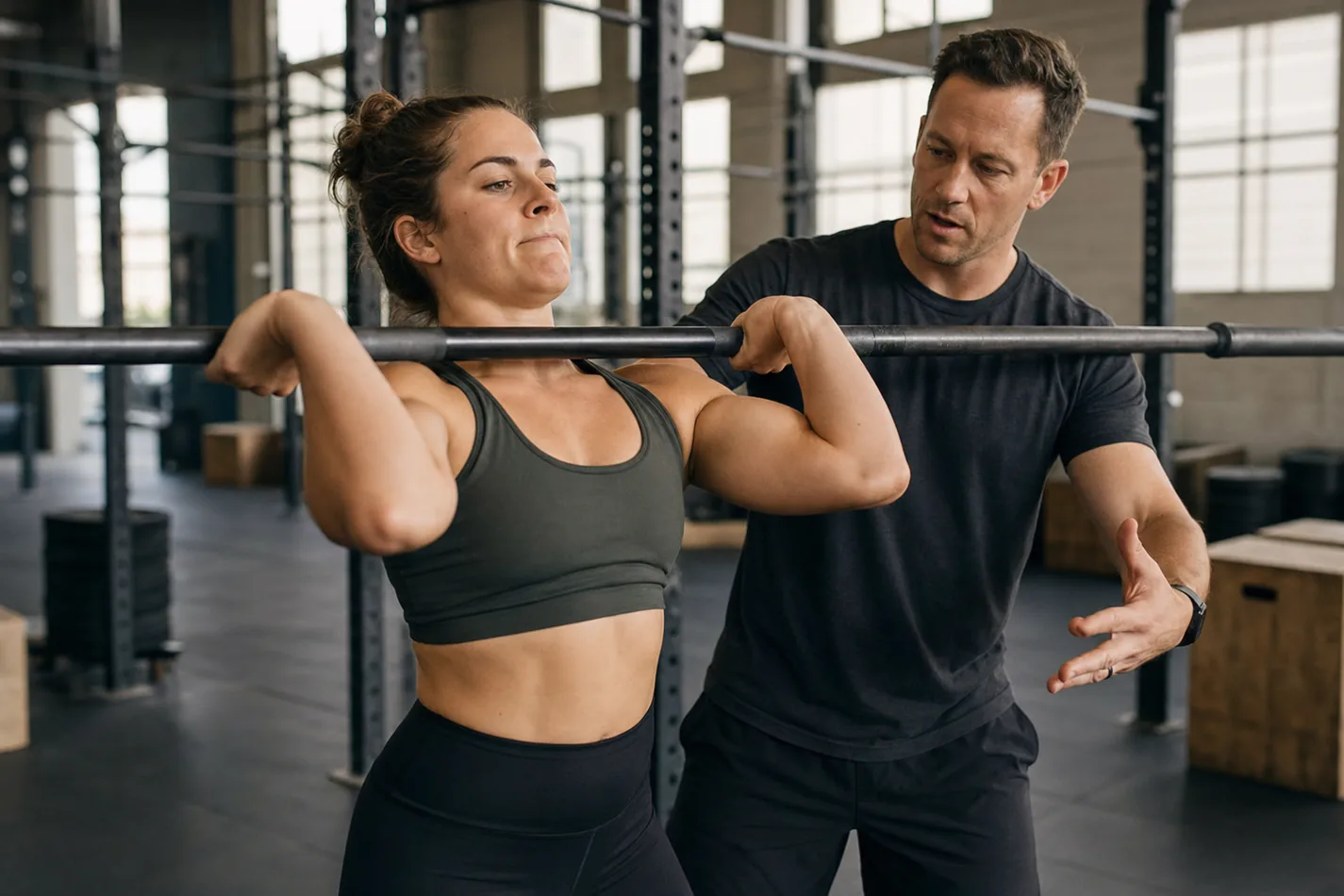
A good cue is knuckles down, elbows fast. The hands guide the bar, but the legs create the speed. The front rack should look like a fast version of the front squat rack position. If the catch lands on the wrists, the athlete is late. If the chest drops, the athlete probably pulled under without bracing.
| Fault | What you will see | Fix it with |
|---|---|---|
| Early arm pull | The elbows bend before the hips finish | Use tall jumps and high pull drills with straight arms first |
| Bar swings forward | The athlete catches on the toes or steps forward | Keep the bar brushing close and reduce the dip |
| Slow elbows | The bar crashes into the rack | Drop weight and practice fast turnover from the pockets |
| Soft catch | The feet stomp wide and the torso folds | Receive with the ribs down and the elbows through |
How to use it in CrossFit workouts
High hang cleans show up in skill sessions, complexes, and fast conditioning pieces where the bar never returns to the floor. They work well when the goal is turnover speed, light to moderate cycling, or teaching athletes to finish the hips before pulling under.
They get messy when the load is too heavy for the intended pace. In a workout with clean and jerk setup, front rack lunges, or barbell cycling, the high hang clean should not become the lift that ruins every rep after it. Break earlier if the elbows slow down or the bar starts drifting away from the body.
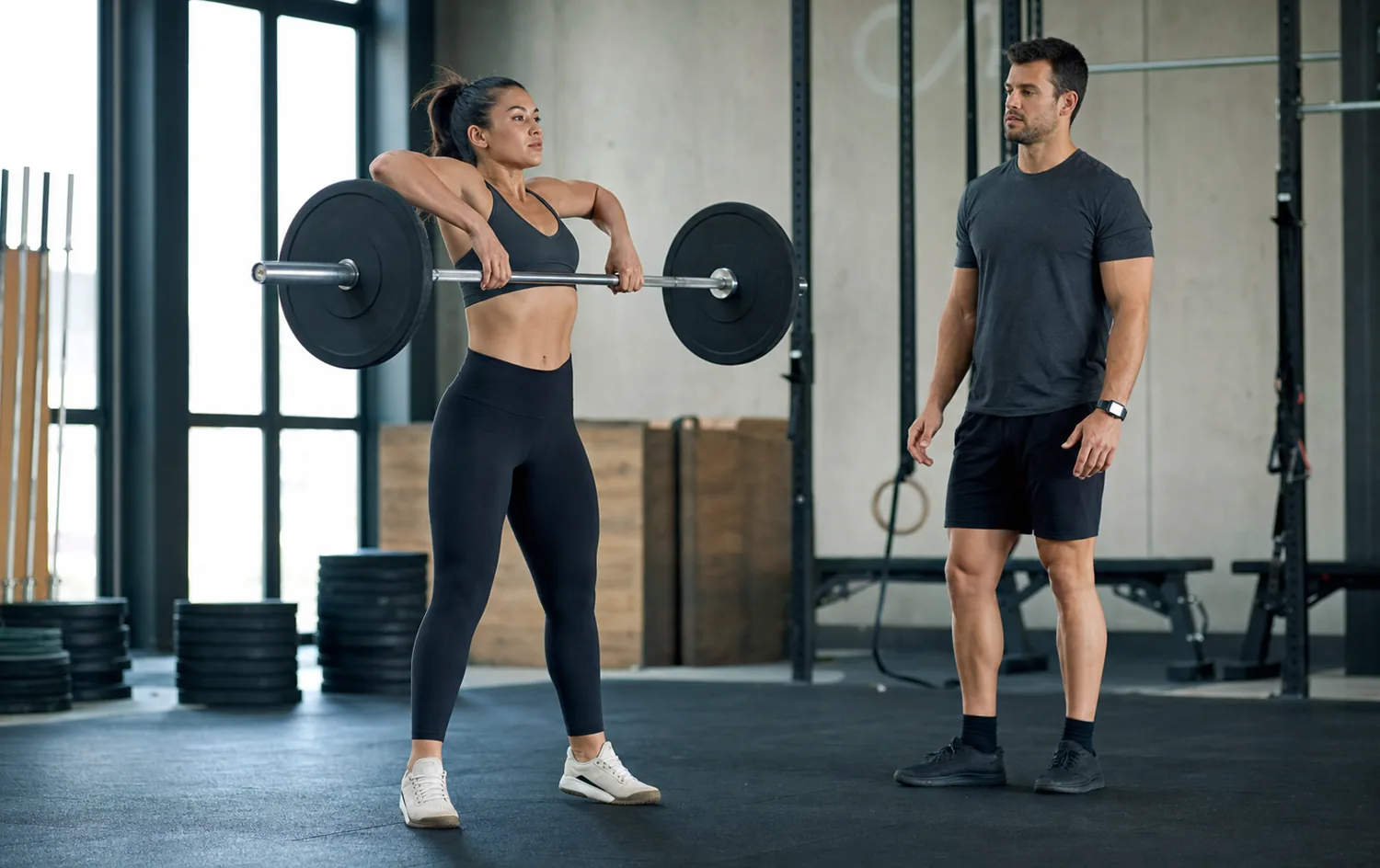
The demo below is useful because it shows the short start position. Watch how little room there is between the hips and the catch. That is why the bar has to stay close.
Scaling the high hang clean
Good CrossFit scaling keeps the short pull intact. Use an empty bar, a light barbell, a PVC pipe, or medicine ball cleans if the athlete needs the turnover lesson without load. For athletes who struggle with front rack mobility, start with muscle cleans from the high hang before asking for a deeper catch.
The dumbbell hang clean can also teach timing, but it changes the rack and balance demands. Use it when the workout calls for dumbbells. Do not pretend it is the same as a barbell high hang clean if the goal is bar path.
When to practice it
Use high hang cleans after a focused CrossFit warm-up that includes clean grip deadlifts, front rack prep, tall cleans, and light hang reps. They fit well before power cleans, squat cleans, or lighter clean complexes. They are also a good teaching tool when athletes keep yanking the bar from the floor.
Skip them when wrist or shoulder pain makes the rack position sloppy, or when the athlete cannot keep the bar close at light weight. In that case, slow clean pulls, tall muscle cleans, or front rack holds may teach more with less noise.
What to check before adding weight
Film three reps from the side. Look for a short dip, a close bar, and elbows that rotate through before the bar crashes. If the athlete jumps forward, catches low on the wrists, or turns every rep into a curl, the weight is already too heavy.
The high hang clean should feel quick, not frantic. Add load only when the bar stays close and the catch looks the same three reps in a row.