The plan
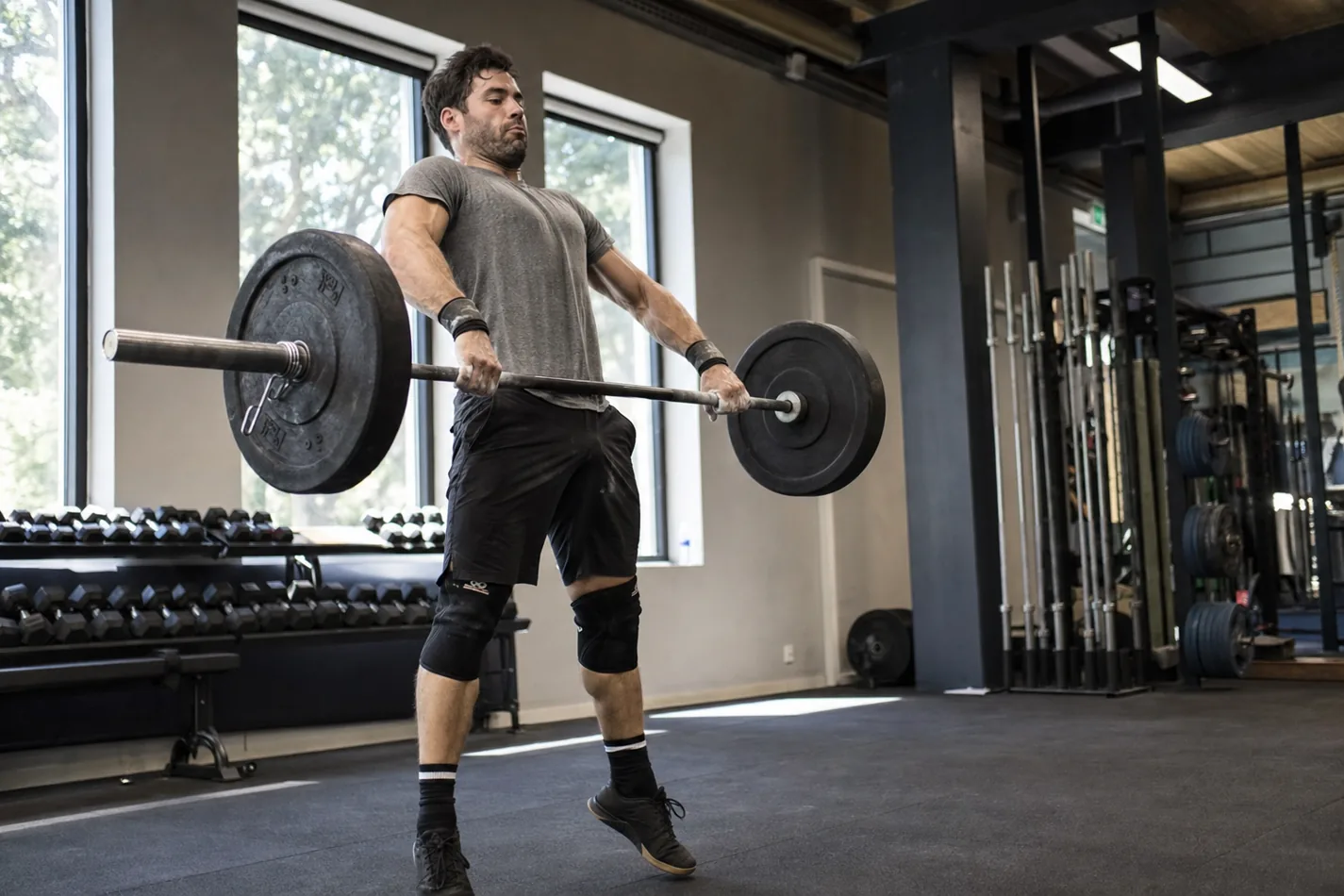
Hang power cleans look simple on a whiteboard. Pick up the bar, start from the hang, catch above parallel. Then the workout starts and the reps get ugly. The bar swings away, the elbows arrive late, and every catch lands harder than it needs to.
The hang power clean is not a shortcut version of the clean. It removes the floor pull and forces athletes to own the second pull, the turnover, and the front rack. In CrossFit, that makes it useful and unforgiving at the same time.
- The bar should stay close from the hang to the shoulders, not loop out in front.
- A strong catch needs fast elbows and a stable rack, not a shrug that never finishes.
- For workouts, clean singles can beat touch-and-go reps when the bar path starts to drift.
What the hang power clean is actually testing
The hang power clean starts above the floor, usually from mid-thigh, just above the knee, or below the knee depending on the workout standard. That starting point matters. The athlete has less time to organize the pull, so any loose position shows up fast.
A good rep feels close and vertical. The bar stays against the legs, the hips finish, the shoulders rise, and the elbows whip through before the bar crashes. Athletes who already understand power clean timing usually adapt quickly. Athletes who swing the bar like a kettlebell have to slow down and rebuild the path.
Start in the right hang position
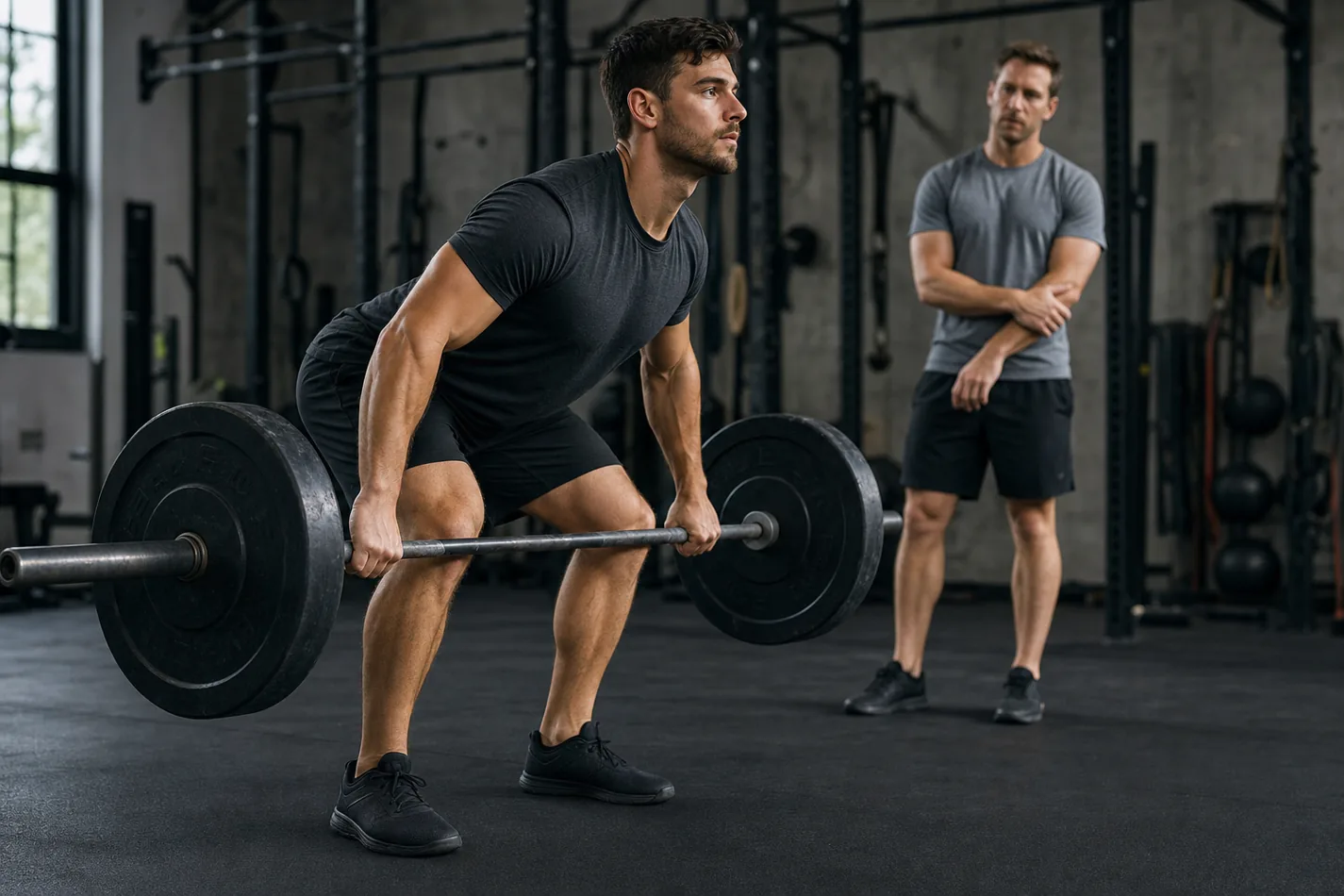
The rep is often lost before the bar moves. If the knees are locked, the bar hangs too low, or the shoulders sit behind the bar, the athlete has to swing around the body to make contact. Set the feet under the hips, soften the knees, keep the chest over the bar, and let the lats keep the bar close.
From there, the goal is not to yank. Push the floor away, finish tall, then pull under. The bar should brush up the body instead of bouncing away from it. When athletes rush this part, the catch gets loud and the lower back starts doing work it never signed up for.
| Fault | What it usually causes | Fix to try first |
|---|---|---|
| Bar swings away from the body | Heavy catch and missed front rack | Keep lats tight and start with shoulders over the bar |
| Early arm bend | Weak hip extension and tired biceps | Stay patient until the legs finish |
| Elbows stay low in the catch | Bar lands on the hands instead of the shoulders | Practice fast elbows with lighter reps |
| Feet jump too wide | Unstable receiving position | Catch in a stance you could squat from |
The catch should be quick, not dramatic
Many athletes make the hang power clean look bigger than it needs to be. They throw the hips forward, lean back, and chase the bar with the shoulders. That may work at light weight. It becomes a problem once the workout has 30, 45, or 60 reps.
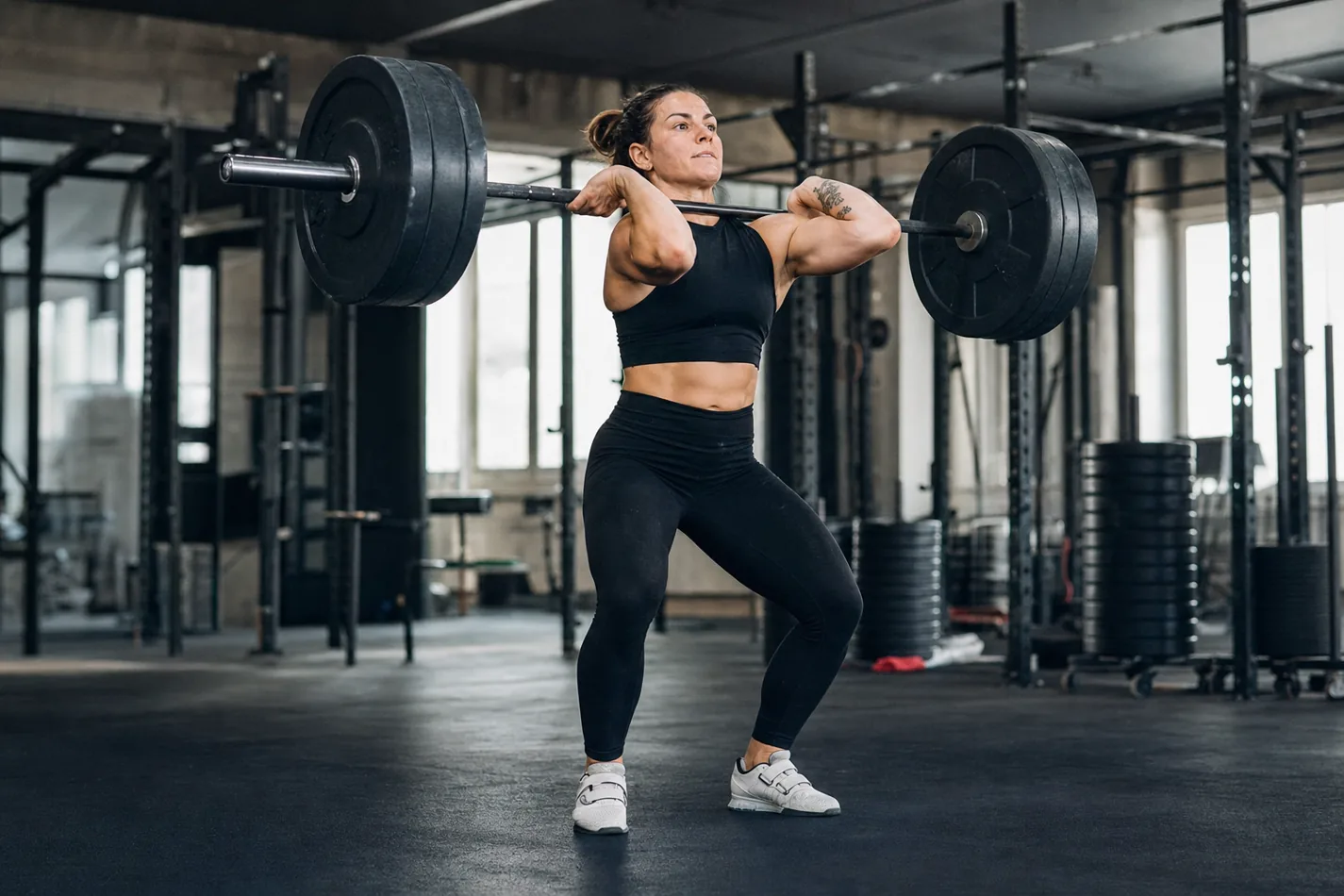
Think about meeting the bar. After the extension, pull the elbows around and receive the bar with the knees bent. The catch should feel athletic, not stiff. If the bar smacks the collarbone or rolls onto the wrists, the rack needs attention. The same rack awareness carries into front rack position and shoulder-to-overhead pieces where the bar has to leave the shoulders cleanly.
The CrossFit demo below is short, but it shows the piece athletes miss most: the bar stays close before the catch. Watch the path from mid-thigh to the shoulders before you worry about cycling speed.
How to cycle hang power cleans in a workout
Touch-and-go reps are useful when the load is light enough and the athlete can keep the same path every time. The moment the bar starts drifting, touch-and-go becomes expensive. Short sets or quick singles may be faster because each rep starts organized.
For moderate loads, try sets of three to five with one breath at the hang before the next rep. For heavier workouts, fast singles can keep the back and grip fresh. If the workout also includes pull-ups, toes-to-bar, or dumbbell clean mechanics, grip management matters more than looking smooth for the first ten seconds.
Scale the lift without changing the point of the workout
The easiest scale is load. If the athlete can move well with a lighter bar, keep the hang power clean and protect the stimulus. If the front rack is the issue, use dumbbell hang power cleans, medicine ball cleans, or hang muscle cleans while the athlete builds the position.
Do not scale every problem the same way. A beginner who cannot find the rack needs skill work. An experienced athlete who loses position only under fatigue may need smaller sets. A sore wrist or shoulder changes the choice again. The goal is to train power and coordination, not survive ugly reps.
What to check before adding weight
Add weight only when the bar stays close, the elbows move fast, and the athlete can catch with balanced feet. If any of those fail, more weight will usually make the problem louder. Start with five clean reps from the hang, rest, then repeat under a little breathing fatigue. That small test tells the truth.
Hang power cleans reward athletes who stay patient for half a second longer than they want to. Keep the bar close, finish the legs, and catch like you mean to use the bar again. That is the version that holds up when the WOD adds dip and drive work, burpees, or a clock that makes everyone rush.


