The plan
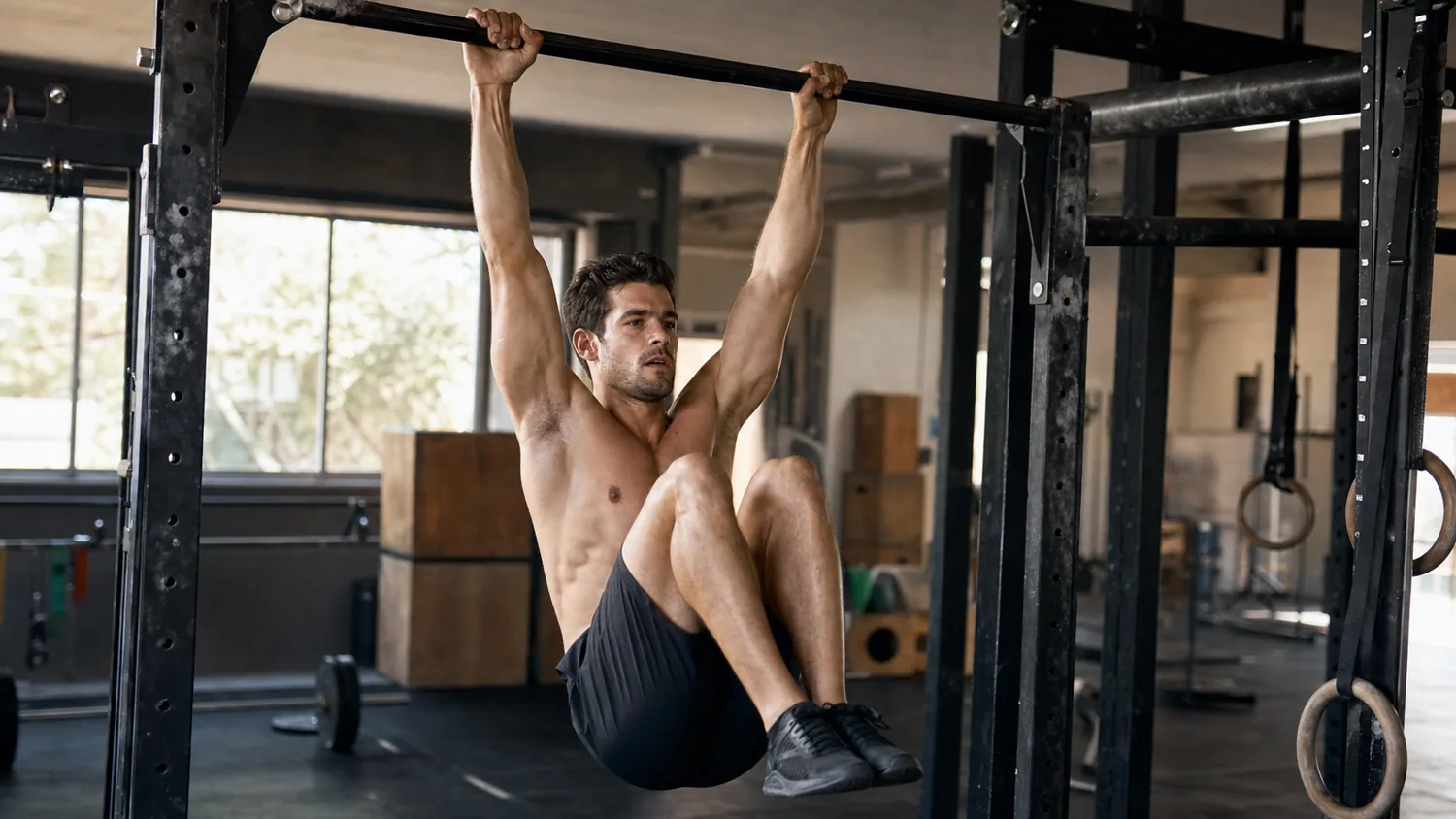
Knees-to-elbows look like a simple ab movement until the set gets past five reps. Then the grip starts talking, the swing gets wider, and the knees drift lower with every rep. The athlete is still moving, but the standard is gone.
In CrossFit, the point is not to fold yourself in half once and hope for the best. A good rep asks for a tight hang, a patient hip action, and enough midline control to bring the knees all the way to the elbows without turning the rig into a playground swing.
- The knees need to touch the elbows or upper arms, depending on the workout standard. Close is not the same as contact.
- The best reps start with a tight hollow and a controlled swing, not a violent yank from the hip flexors.
- Small sets and cleaner breaks usually beat one messy opening set that burns the grip too early.
What counts as a knees-to-elbows rep
A clean rep starts from a hanging position and finishes with both knees reaching the elbows or the target named in the workout brief. The common miss is easy to spot: the athlete pulls the knees high, throws the head back, and stops an inch short.
That last inch is where midline position matters. If the ribs flare and the body opens too soon, the knees move away from the elbows. Athletes who already understand hollow body position usually learn the rep faster because they can close the front of the body without losing the shoulders.
The kip should make the rep smaller, not wilder
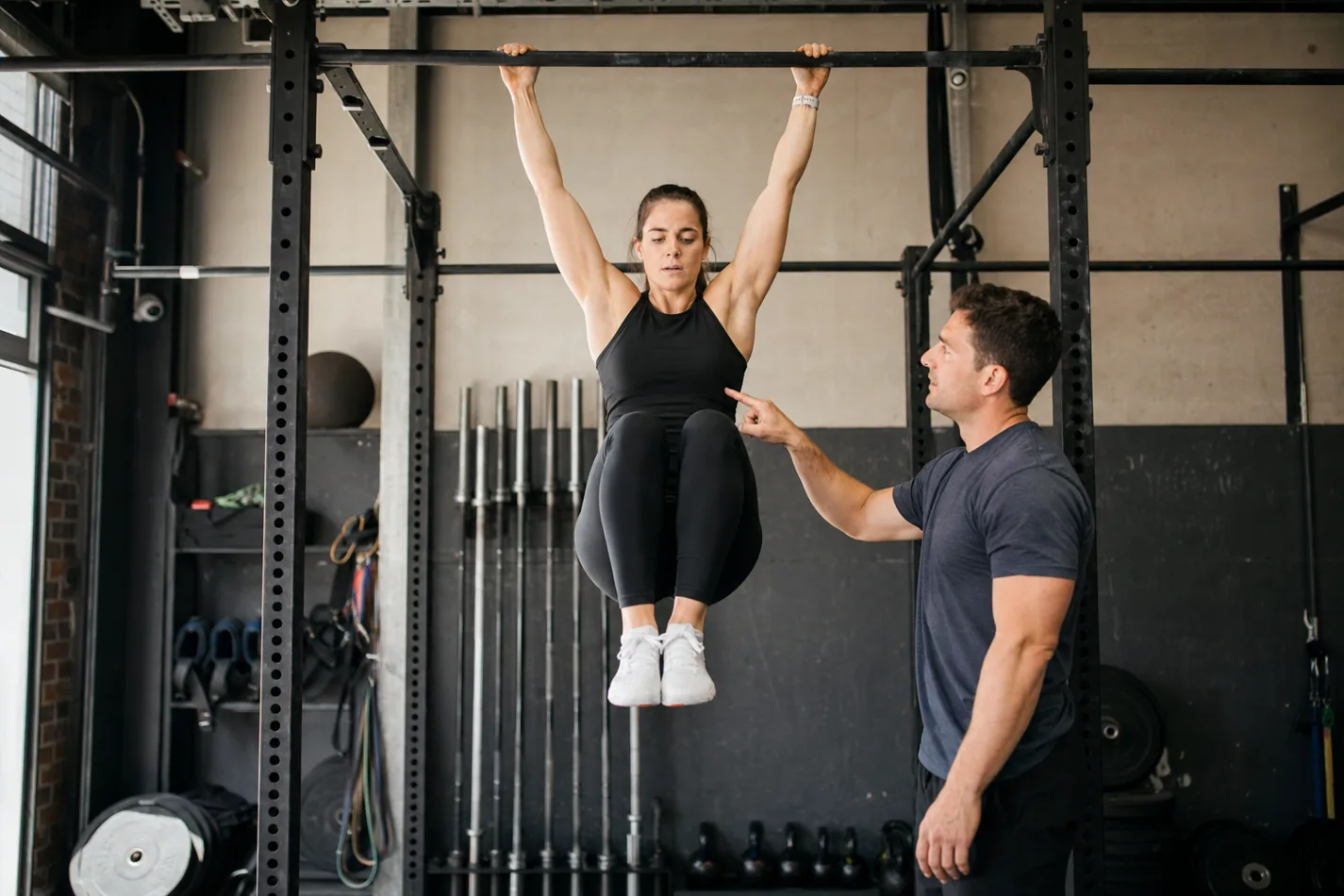
Knees-to-elbows can be strict, kipping, or somewhere in between during practice. In a workout, most athletes use a kip because it saves the hip flexors and helps connect reps. The problem is not the kip. The problem is using a swing that gets bigger every time the athlete gets tired.
Think about pulling the bar down and closing the space between ribs and pelvis. The knees travel up because the trunk closes, not because the athlete kicks wildly. That is the same reason toes-to-bar timing gets easier once the athlete stops chasing the feet and starts controlling the shape.
| Fault | What it looks like | Fix for the next set |
|---|---|---|
| No contact | Knees rise high but never meet the elbows | Break the set and make the next rep honest |
| Loose swing | The body drifts behind the bar after every rep | Reset hollow before the next pull |
| Grip dies early | Hands peel before the abs are tired | Use smaller sets and relax the death grip |
| Hip flexors cramp | The athlete tucks hard without closing the trunk | Practice strict knee raises and hollow rocks |
How to pace knees-to-elbows in a WOD
The first set should tell you whether the movement belongs in the workout as written. If the opening ten reps already need a huge swing, the rest of the workout will not fix it. Sets of three to six, with short breaks, often keep the standard cleaner and save the hands for later rounds.
Grip matters more than athletes expect. If the workout also includes pull-ups, rope climbs, carries, or barbell cycling, hand protection and grip choice becomes part of the plan. Do not wait until the hands are cooked to make a decision.
The demo below is useful because it shows the movement without turning it into a rushed swing. Watch the ribs and hips first. The elbows only matter if the trunk stays connected.
Scaling without changing the purpose
Good CrossFit scaling keeps the intent: hanging control, trunk flexion, and a clear finish position. Strict hanging knee raises work well when the athlete cannot make contact yet. Knees-to-armpits can be a useful bridge. V-ups can build the same closing pattern on the floor when the rig is not the right option that day.
The scale should not become random ab work. If the workout asks for knees-to-elbows, the substitute should still teach the athlete to control the front body under fatigue. That is why V-up compression is useful, but only if the athlete keeps the rep crisp instead of flinging the legs up.
Build the strength that keeps the standard honest
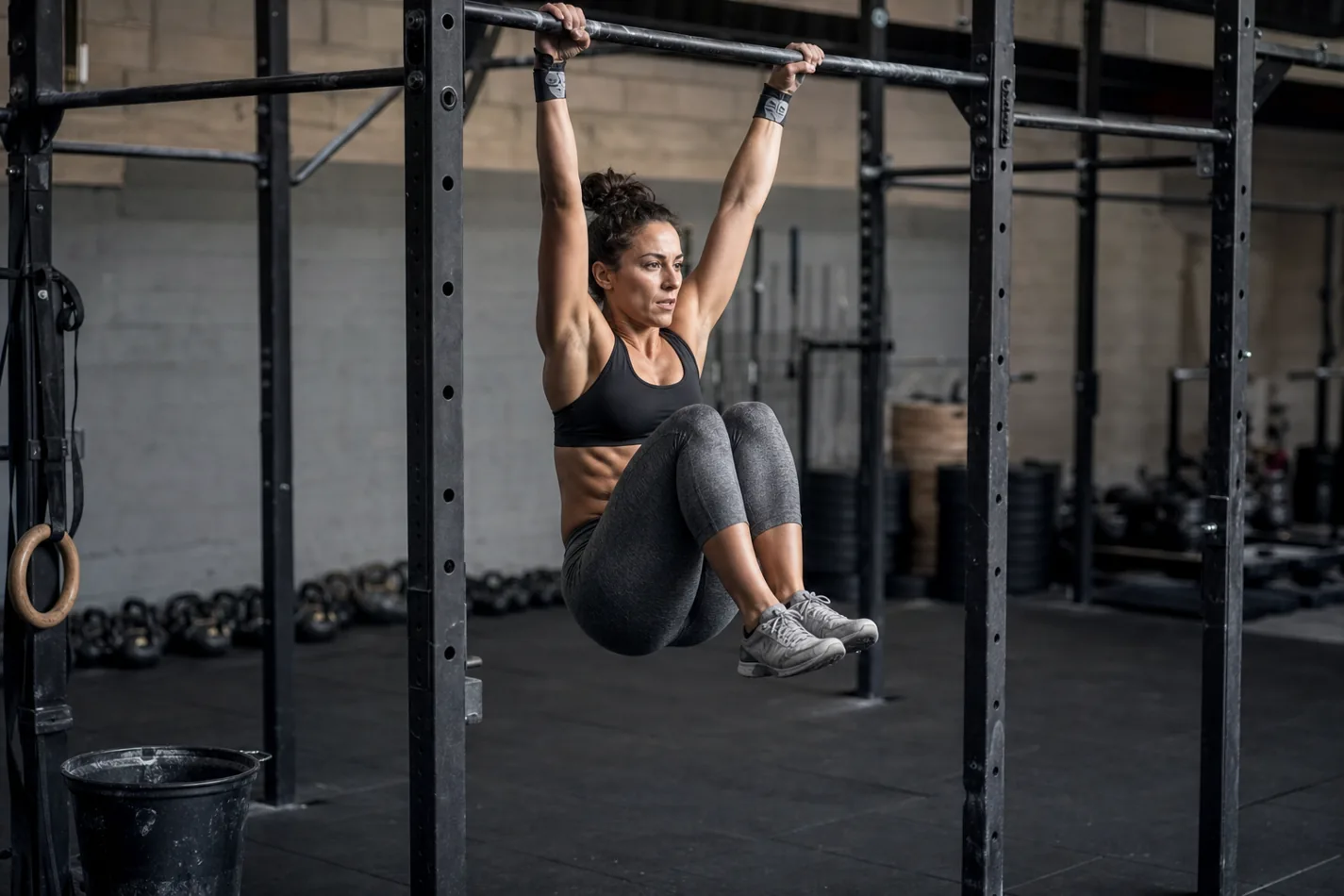
The movement gets much easier when the athlete can hang without panic. A stronger pull lets the shoulders stay packed while the knees travel up. That is where strict pull-up strength helps, even though knees-to-elbows are not a pull-up.
A simple accessory piece works well after class: three slow hanging knee raises, three hollow rocks, then ten seconds of active hang. Rest and repeat for quality. If the knees start missing the target, stop the set before sloppy reps become the pattern.
What to check before your next WOD
Before putting knees-to-elbows into a workout, test five calm reps. Did the knees actually touch? Did the swing stay under control? Did the grip feel safe for the rest of the session? If the answer is no, scale early and keep the movement honest. The workout will be better for it.


