The plan
Single unders look like the easy jump rope option until the clock starts. Then the rope clips the toes, the shoulders climb toward the ears, and a simple movement turns into a breathing tax before the workout has even reached the hard part.
In CrossFit, single unders are not just a beginner substitute for double unders. They are a rhythm skill. Done well, they keep athletes moving, protect the calves, and give newer athletes a clean way to train conditioning without turning every set into a rope fight.
- Jump low and relaxed. Big jumps waste time and make the rope harder to control.
- Turn the rope with the wrists, not the whole arm.
- Use singles to build timing, breathing, and confidence before chasing higher speed.
What single unders should actually train
A good single under is one rope pass for one jump. That sounds basic, but the standard hides the real job: steady bounce, quiet shoulders, hands close to the body, and a rope path that repeats without drama.
Athletes who already have smooth double under timing usually make singles look almost boring. That is the goal. The movement should feel light enough that you can keep breathing and move straight into the next station without shaking out your calves for ten seconds.
Set the rope before blaming your timing
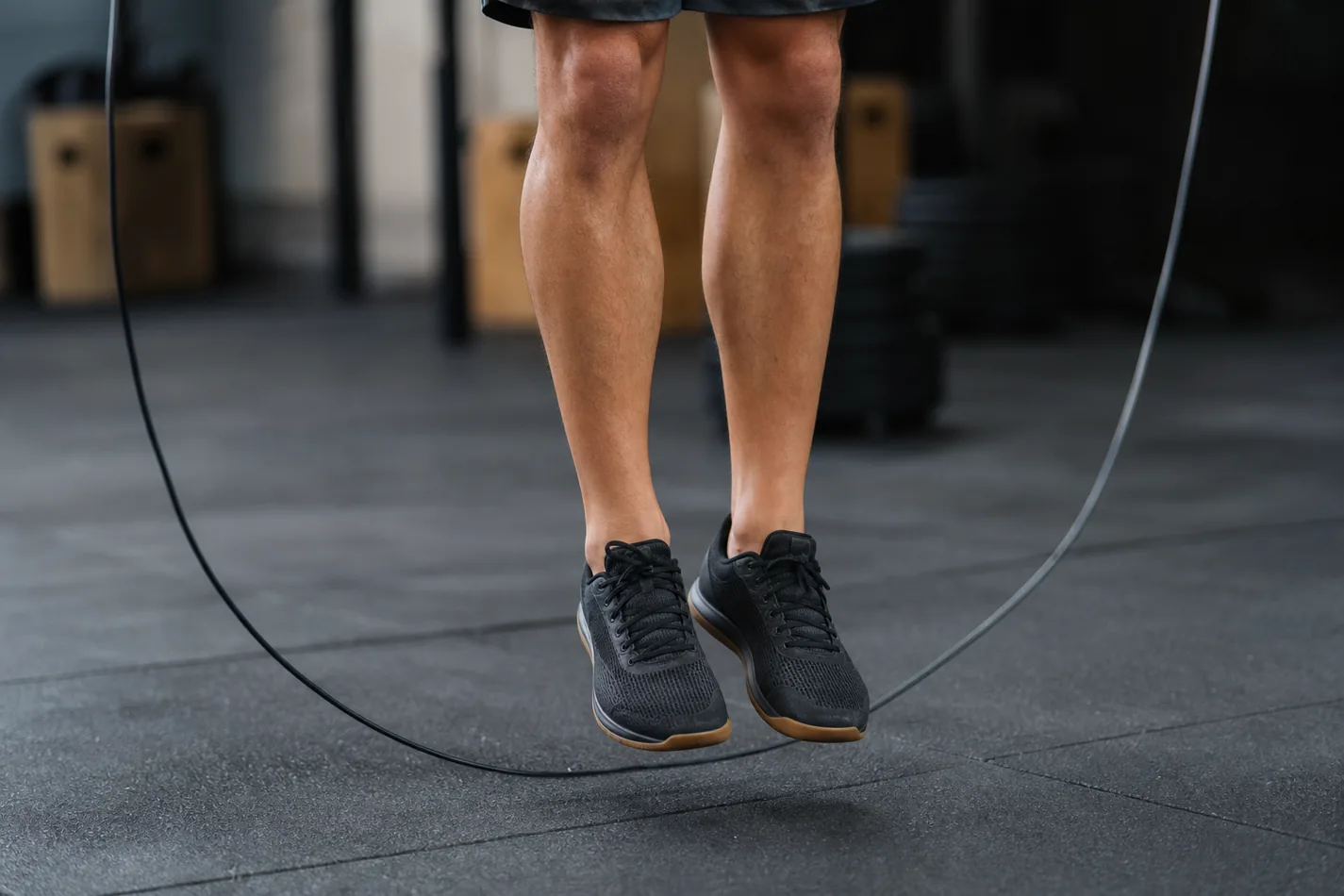
Bad rope length makes good rhythm harder than it needs to be. If the rope is too short, the athlete has to tuck the knees or lift the hands to clear the feet. If it is too long, the cable slaps the floor and slows down every turn.
A simple starting point: stand on the rope and bring the handles up near the lower chest or armpits. It does not have to be perfect, but it should let the athlete keep the hands slightly in front of the hips without flaring the elbows wide.
| Fault | What it usually means | Fix to try first |
|---|---|---|
| Rope hits the toes | Jump is late or hands drift behind the hips | Keep hands slightly forward and start with slower turns |
| Shoulders burn early | Arms are turning the rope instead of wrists | Relax the elbows and make smaller circles |
| Calves blow up fast | Jump is too high or too stiff | Stay low and bounce from the ankles |
| Rope slaps the floor hard | Rope may be too long or the turn is uneven | Shorten the rope or slow down until the path is quiet |
The jump should be small enough to repeat
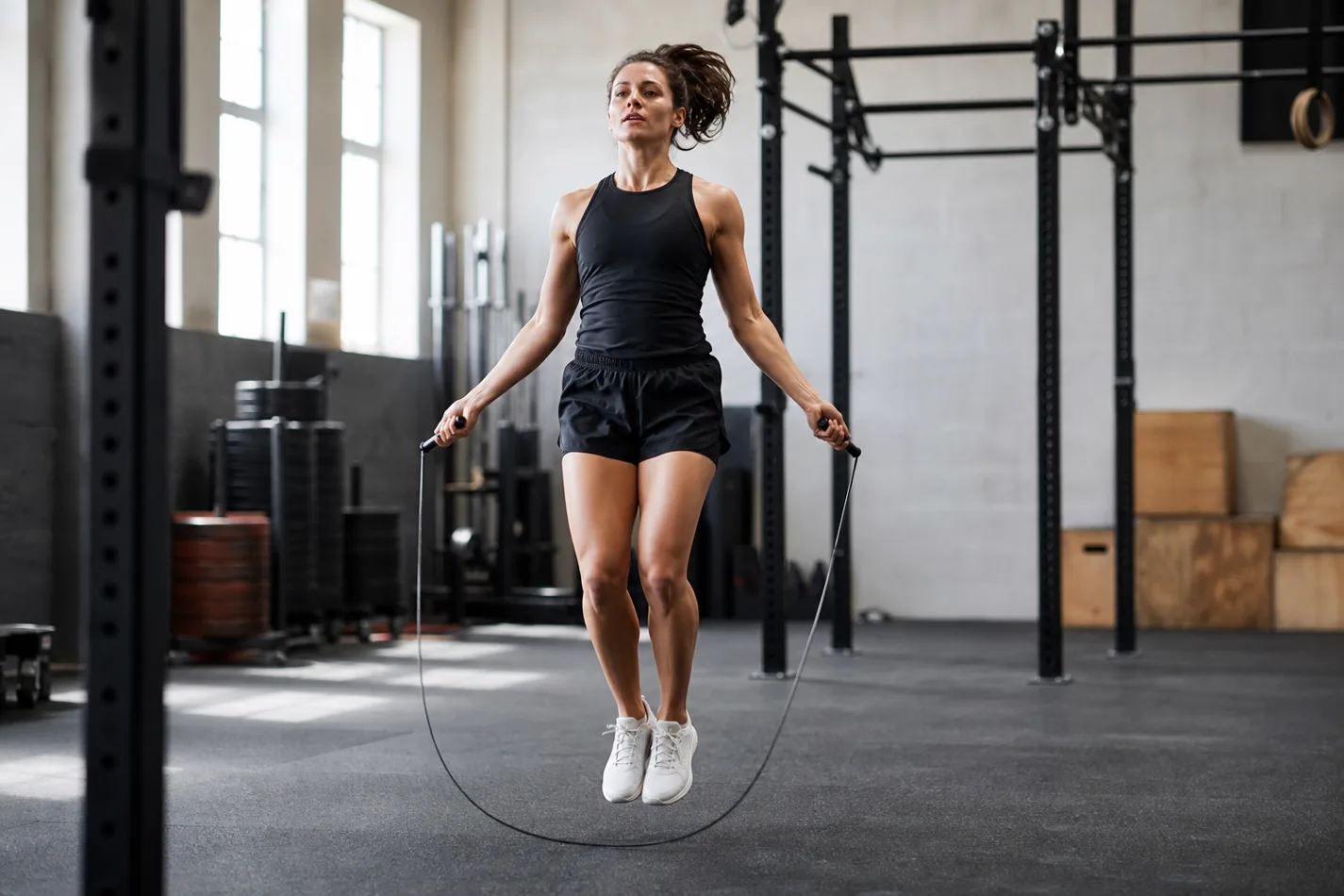
The best single unders barely leave the floor. Think about clearing the rope, not escaping it. The knees stay soft, the torso stays tall, and the feet land in the same place every rep.
This is where singles connect to broader jumping mechanics. Athletes who stomp, pike, or kick the feet back will usually lose rhythm once the set gets long. A lower jump saves energy and makes transitions cleaner.
The CrossFit demo below is useful because it keeps the movement plain. Watch the wrists and the height of the jump. The rope clears because the rhythm is clean, not because the athlete is jumping high.
How to use single unders in a workout
Single unders can be a scale, a warm-up tool, or the prescribed movement. The intent changes how you pace them. If they are replacing double unders, the set should still challenge breathing and coordination without stopping every few reps. If they are part of warm-up work, keep them smooth rather than trying to win the warm-up.
For conditioning pieces, break only when the rope quality drops. Sets of 50 can be treated like one calm station. Larger chunks may work better as 40, 30, 30 or another planned split that lets the athlete keep moving into the next movement.
When singles are the right scale
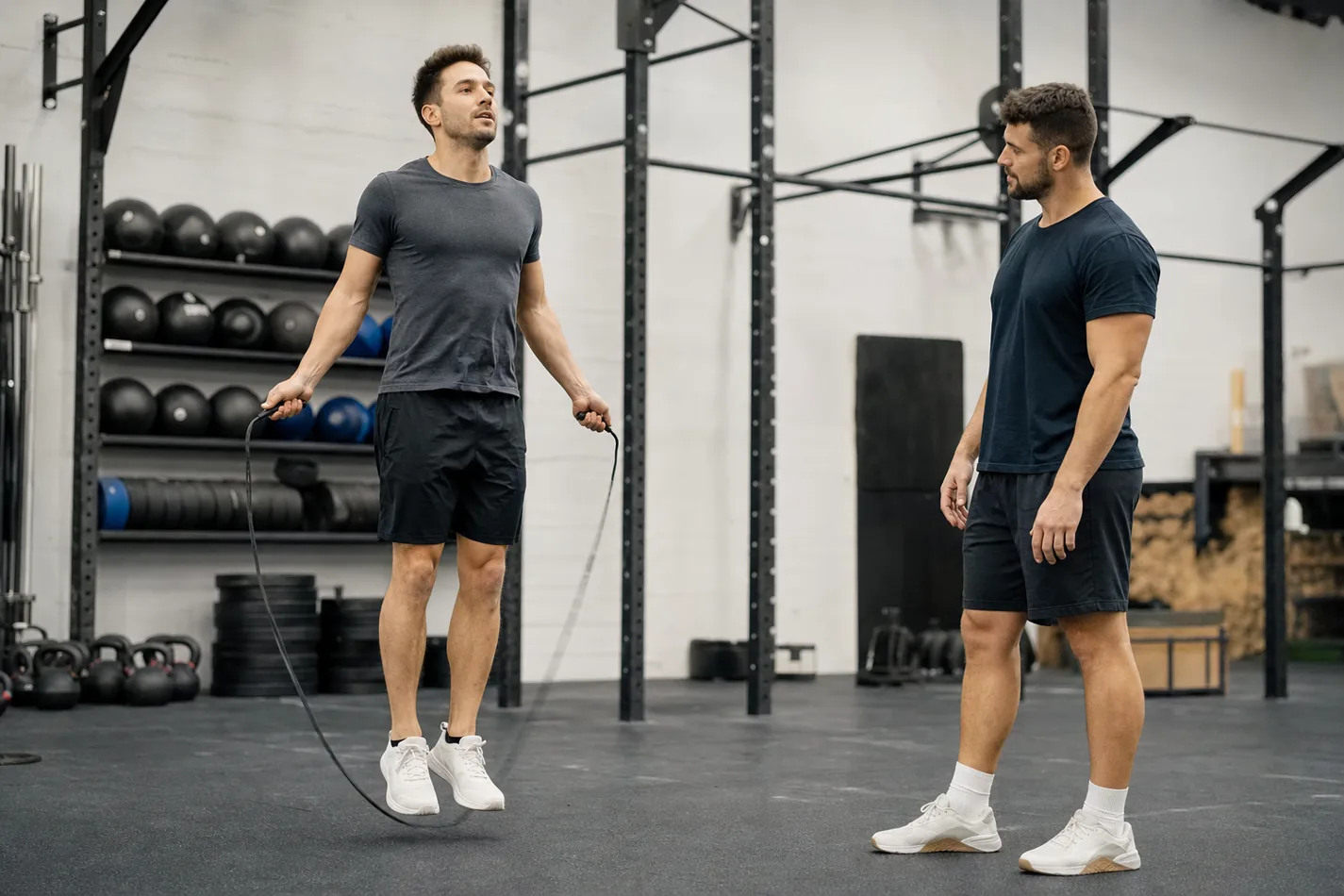
Singles are useful when double unders would derail the workout. That does not mean the athlete failed the workout. It means the coach chose a version that keeps the intended pace alive. A five-minute conditioning piece should not become five minutes of rope frustration unless the goal is skill practice.
Use singles for newer athletes, athletes returning from calf or Achilles irritation, or anyone who can only hit double unders in tiny sets with long resets. The scale should still have standards: consistent rope path, relaxed hands, and breathing that stays under control.
What to check in your next set
Try 60 single unders at a pace you could hold after a row, run, or fast footwork under fatigue. If the rope stays quiet and the shoulders stay relaxed, speed up a little. If the toes catch or the calves tighten early, slow down and fix the jump first.
Single unders are not glamorous, but they expose habits fast. Keep the jump low, let the wrists turn the rope, and choose a pace that lets you leave the station ready for the next rep, not annoyed at the cable on the floor.


