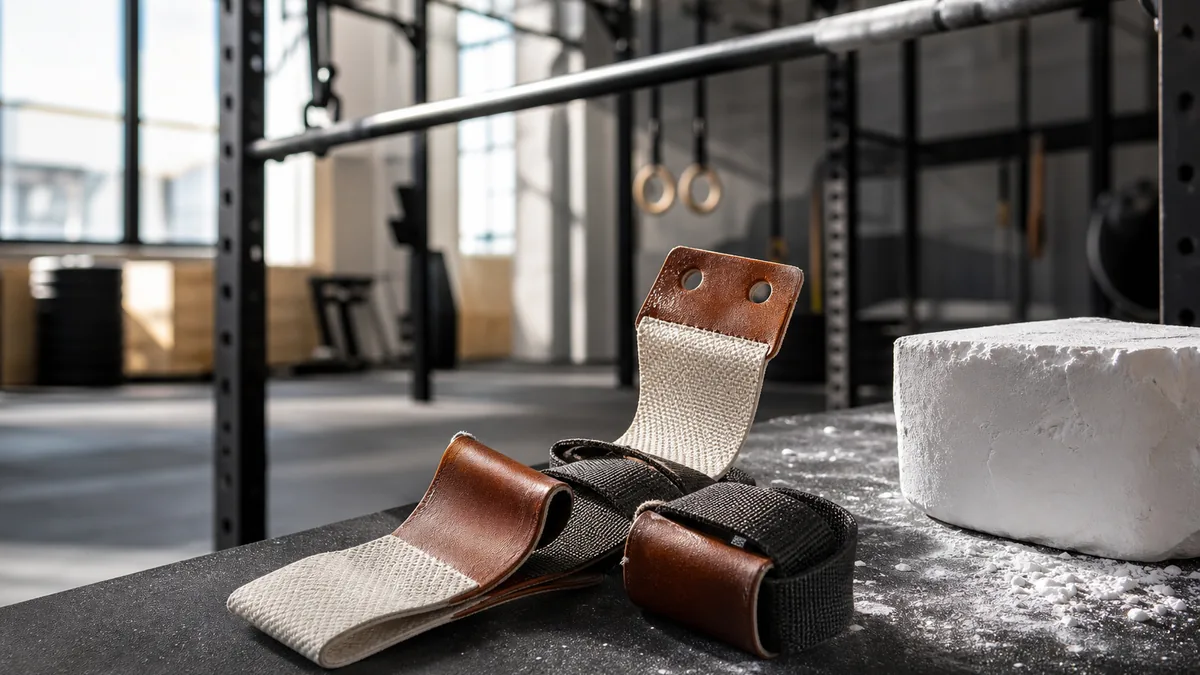
The plan
CrossFit grips are one of those pieces of gear many athletes buy after the damage is already done. A ripped palm during toes-to-bar, chest-to-bar pull-ups, or a long bar muscle-up workout is usually enough to make the point. The right pair is not only about protection. It changes how secure you feel on the bar, how much tension you carry in your forearms, and how confidently you can keep moving when the reps start to pile up.
The mistake is choosing grips only by price, thickness, or the model a friend uses. A pair can be durable and still feel too stiff. Another can feel amazing for kipping pull-ups but slip on a slick rig. Before buying, it is worth looking at your training level, the type of bar at your gym, and the movements you actually perform each week.
What CrossFit grips are really for
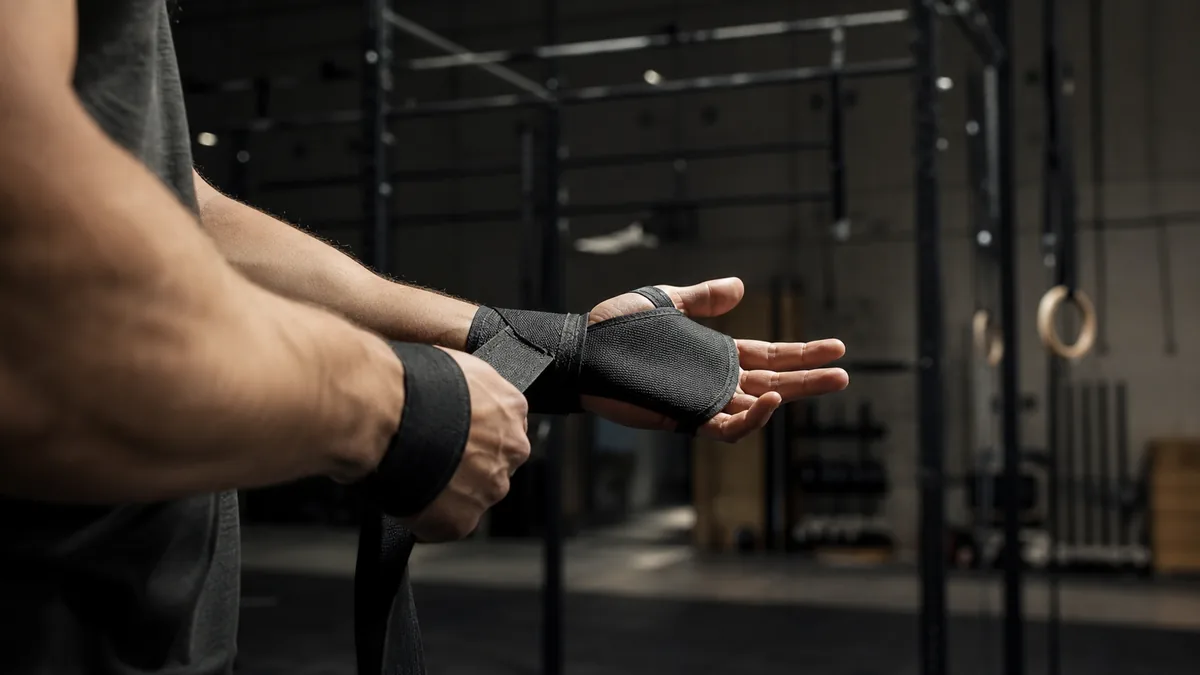
Good grips do three things. They protect the skin, improve contact with the pull-up bar, and reduce how much your hands have to fight for position during high-rep gymnastics. That matters most on movements where friction builds quickly: toes-to-bar, chest-to-bar pull-ups, bar muscle-ups, kipping pull-ups, and sometimes heavy kettlebell or dumbbell work.
They will not fix poor technique. If your swing is loose or your shoulders are not active, grips only hide the problem for a while. But when the basics are already in place, they can help you hold a better rhythm and avoid stopping because your hands are burning before your engine is.
- Beginners usually need comfort, palm coverage, and a grip that does not feel overly aggressive.
- Intermediate athletes should focus on bar feel, wrist comfort, and how the material behaves during sweaty sets.
- Advanced athletes often prefer thinner or more technical grips that lock well on the rig without killing feedback.
Two-hole, three-hole, or fingerless grips?
The classic question is whether to choose two-hole, three-hole, or fingerless grips. There is no perfect answer, but there is a practical one.
| Type | Best for | Watch out for |
|---|---|---|
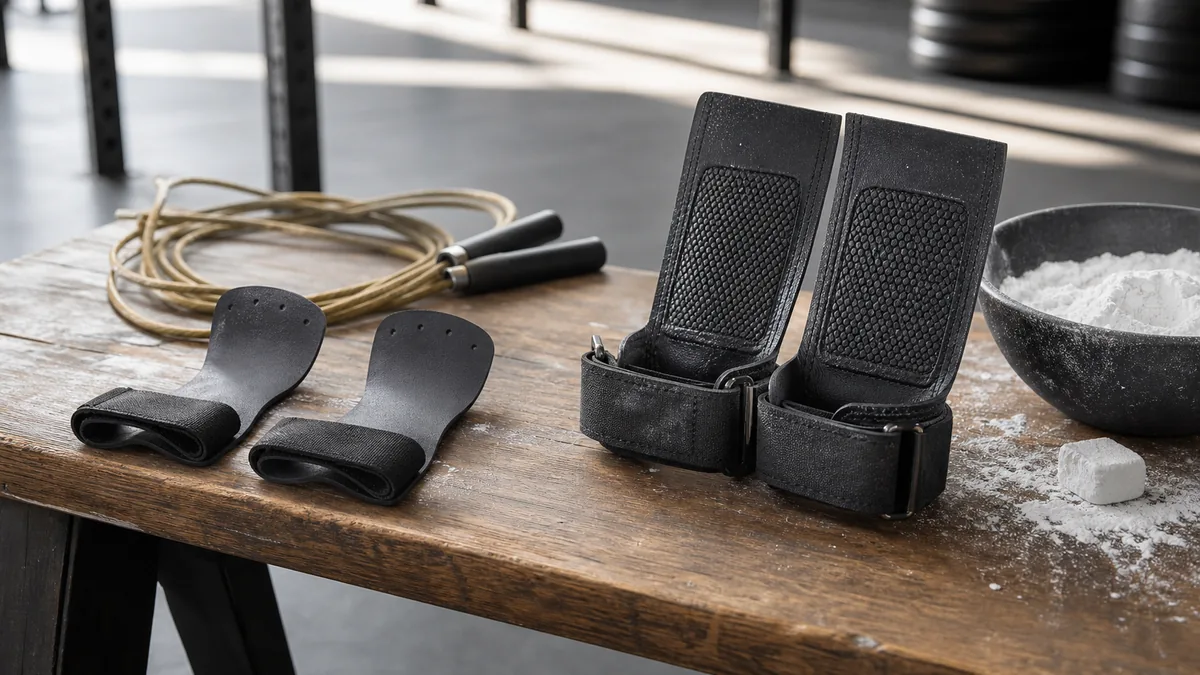
| Two-hole grips | Athletes who want finger control and a lighter feel | Less coverage if your hands tear near the outer palm |
| Three-hole grips | More palm coverage and a secure fit for high-volume gymnastics | Can feel bulky if the sizing is wrong |
| Fingerless grips | Fast transitions, easy setup, and athletes who dislike finger holes | Fit and wrist strap quality matter a lot |
Fingerless grips have become popular because they are easy to adjust during a workout. You can flip them on and off quickly when moving between the rig, barbell, and floor. Traditional finger-hole grips still make sense if you like a locked-in feel and want the material to stay exactly where you placed it.
Material matters more than marketing
Leather, carbon-style material, synthetic blends, and rubberized surfaces all behave differently. Leather can feel natural and durable, but it may need a break-in period. Carbon-style grips often feel stickier on the bar, especially for gymnastics-heavy training, but some athletes find them too aggressive or too dependent on the type of rig coating.
If your gym has a powder-coated bar, a very sticky grip can be helpful. If the bar is smooth or already worn down, the same pair may not behave the way you expect. This is why reviews can be confusing: two athletes can use the same grips and have completely different opinions because their bars are different.
A quick video before testing your grips
This short CrossFit Kelham clip is useful because it shows two simple ways athletes position gymnastics grips on the bar. Watch it before deciding whether you prefer a locked-in fold over the bar or a looser hand position.
How to choose the right size
Sizing is where many bad purchases happen. If the grip is too short, it will pull hard against the wrist and fail to create a fold over the bar. If it is too long, it can bunch up, slide, or make transitions awkward. Measure your hand exactly as the brand explains, then check whether the model is designed to be worn tight or with extra length for a dowel effect over the bar.
When in doubt, do not guess from your glove size. CrossFit grips are not regular training gloves. The distance from the base of the palm to the fingers, your wrist position, and the way you grip the rig all affect the fit.
With or without chalk?
Some grips are made to work best with chalk. Others are marketed as no-chalk grips. In real training, most athletes still use at least a small amount of chalk when the workout gets sweaty. The key is not to overdo it. Too much chalk can create a dusty layer that makes contact worse instead of better.
A good test is simple: warm up with a few controlled kipping swings, then try a small set of toes-to-bar or chest-to-bar pull-ups before the workout. If your hands are sliding immediately, change either the chalk amount, the grip position, or the pair you are using. Do not discover it halfway through a scored workout.
Common mistakes when buying CrossFit grips
- Buying the thickest pair possible. More material does not always mean better protection. It can reduce bar feel and make your grip weaker.
- Ignoring the wrist strap. A rough or narrow strap can become painful during long sets.
- Choosing only by brand. A popular grip is not always the right grip for your bar, hand size, or movement style.
- Never breaking them in. New grips should be tested before an important workout, not during it.
When should you replace them?
Replace your grips when the material starts cracking, the surface becomes slick, the stitching weakens, or the wrist strap no longer holds properly. A small tear can become a real problem during dynamic gymnastics. If you train CrossFit several times a week and do a lot of rig work, checking your grips every few weeks is a good habit.
Bottom line
The best CrossFit grips are the ones that match your hands, your bar, and your training. Beginners should prioritize comfort and clean coverage. More experienced athletes can look for a stronger bar lock and faster transitions. Either way, do not wait for torn hands to make the decision. A good pair should protect you without making you feel disconnected from the bar.


