
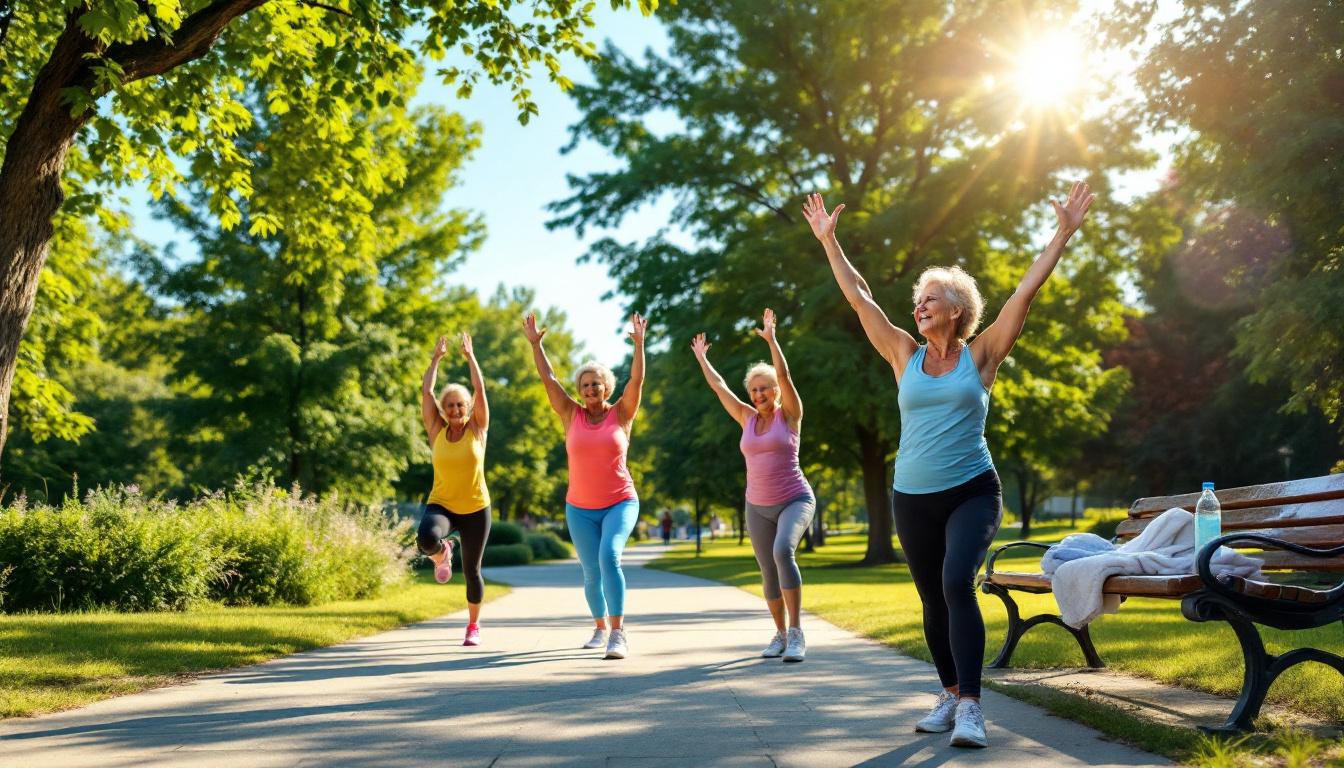

Maintaining fitness over 60 requires deliberate focus on movements that support balance, strength, and mobility. Among these, standing exercises play a crucial role by engaging multiple muscle groups, promoting coordination, and reducing the risk of falls. Their joint-friendly nature suits aging bodies, offering a blend of strength training and functional fitness tailored for seniors. By incorporating simple standing movements into daily routines, individuals can safeguard independence and elevate endurance training well into later decades.
Why Standing Exercises Matter After 60
As the body ages, preserving muscle mass and joint stability becomes paramount. Standing exercises are essential because they mimic everyday actions such as walking, climbing stairs, and rising from a chair. These movements activate the legs, hips, core, and back simultaneously, which traditional floor exercises might not achieve without strain. For those focused on healthy aging, standing workouts enhance neuromuscular control and improve posture, two critical factors often compromised with time. Furthermore, these exercises strengthen the smaller stabilizing muscles around joints and the spine, which too often go unused in sedentary lifestyles.
Dr. Gbolahan Okubadejo, an orthopedic and spinal surgeon, highlights that standing movements help maintain bone density through weight-bearing stress and protect individuals from common age-related issues like falls and loss of balance. This holistic approach to fitness over 60 encourages longevity and helps maintain a fluid, pain-free range of motion. Incorporating these exercises into senior workouts provides a foundation for a lifetime of mobility and functional strength.
Even in 2025, the importance of integrating such functional training into fitness regimens is widely emphasized across fitness communities. Standing exercises are accessible, require no specialized equipment, and can be adjusted to every fitness level, making them ideal for anyone who wants to maintain an active lifestyle past their 60s. Resources such as equipment-free exercise routines and targeted training guides help seniors incorporate these principles safely and effectively into their day-to-day lives.
Single-Leg Balance: The Cornerstone of Stability
The ability to stand unassisted on one leg for 20 to 30 seconds is a reliable marker of overall hip strength and neuromuscular coordination. This exercise challenges the balance muscles integral for safe movement and preventing falls. Many find this movement becomes increasingly difficult with age, which is why it serves as a clear fitness benchmark for those focusing on aging and fitness.
Performing this move barefoot on a flat surface with arms crossed ensures proper engagement without external support. Success here indicates not only physical strength but also an intact sensory system that assists in maintaining equilibrium. Those struggling with the single-leg balance can build incremental progress, starting with support or shorter durations, ultimately improving their confidence in daily activities.
Balance exercises like this are foundational for seniors who want to remain mobile and independent. They reduce the risk of debilitating injuries that arise from falls and provide the confidence to perform other standing exercises correctly. For comprehensive balance training, many seniors benefit from integrating these movements with chair-based workouts initially, progressing to fully standing maneuvers.
Sit-to-Stand: Powerful Functional Strength Builder
This simple yet effective movement assesses the coordination between leg muscles, core, and balance systems. The sit-to-stand exercise requires rising smoothly from a chair without the assistance of hands and sitting back down with control. It reflects the ability to perform daily tasks confidently, such as getting out of a car or moving from seated to standing positions in the home.
The strength demands focus on the quadriceps and gluteal muscles, which are critical for joint health and injury prevention. Older adults who maintain this ability exhibit attributes well beyond mere strength, including joint stability and controlled mobility. In fitness over 60, exercises like sit-to-stand remain a cornerstone for preserving autonomy.
Regular practice of this motion creates a movement pattern that supports a pain-free lifestyle and counters muscle atrophy common in aging populations. Incorporating this with core strengthening strategies, such as Pilates-based routines, further amplifies functional gains by boosting coordination and posture alignment.
Mastering the Standing Hip Hinge for Spine Safety
The standing hip hinge is a vital movement pattern that combines flexibility in the hamstrings, glute strength, and a supported spine posture. Unlike movements that risk rounding the back and causing strain, a correct hinge protects the spine by emphasizing hip mobility over lumbar flexion. For aging adults, mastering this movement reduces the likelihood of back pain and injury during bending, lifting, or reaching activities that happen daily.
Perform this exercise by standing tall with feet hip-width apart, engaging the core, and pushing hips straight back while maintaining a neutral spine and slight knee bend. The result is a fluid motion activating the posterior chain muscles that support a strong, balanced gait and overall endurance.
Strength training regimes that include this movement promote resilience in the lower back and hips, crucial for older adults ready to maintain an active lifestyle and avoid the pitfalls of sedentary aging. Combining this with other daily strength exercises enhances musculoskeletal health, empowering seniors to approach physical challenges with confidence.
Standing Heel Raises: Calf Strength and Ankle Stability
The often-overlooked heel raise builds essential calf muscle power and ankle joint stability. Rising onto the balls of the feet and lowering slowly strengthens the lower leg muscles that contribute significantly to a steady gait. This exercise also enhances proprioception, or the body’s awareness of position in space, further reducing fall risk.
Standing heel raises are simple yet effective, requiring no equipment and fitting seamlessly into any senior workout routine. When performed with control and proper form, they contribute to efficient climbing of stairs, quicker reactions to sudden imbalance, and sustained balance over uneven terrain.
Progression can be achieved by increasing the number of repetitions or adding a slight pause at the top to maximize muscle engagement. Combining these raises with other leg strengthening exercises creates comprehensive stability crucial for a high quality of life during aging.
- Single-leg balance improves neuromuscular coordination and hip stability.
- Sit-to-stand builds quadriceps and glute strength essential for daily functional tasks.
- Standing hip hinge reinforces spine safety and improves hamstring flexibility.
- Standing heel raises enhance calf strength and ankle stability for steady movement.
