
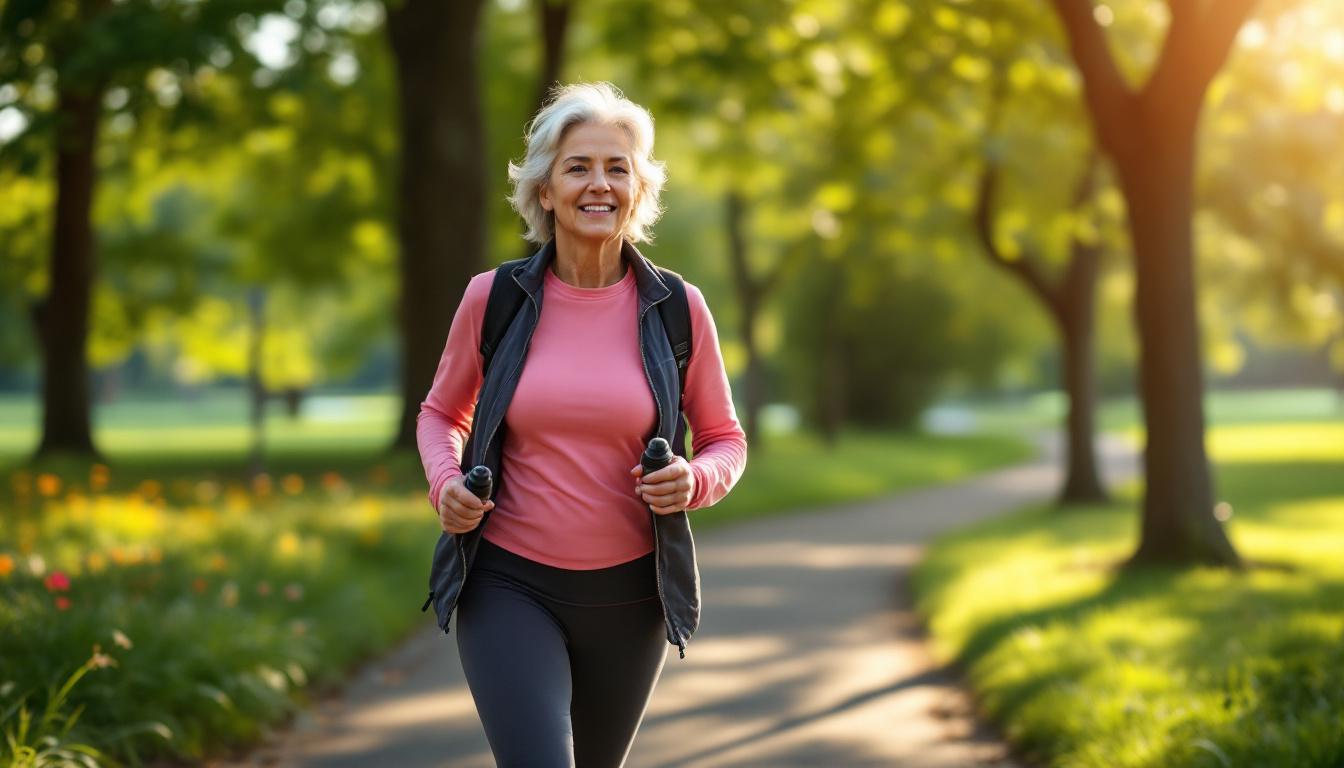

As individuals age, maintaining core strength becomes crucial for stability, injury prevention, and overall health. While traditional ab routines remain popular, a more effective approach after 60 involves integrating walking exercises tailored to engage the core dynamically. These exercises not only improve core stability but also enhance functional strength, balance, and coordination—key elements for aging gracefully and remaining active. This article explores five specific walking exercises that outperform standard ab workouts by combining low-impact cardiovascular benefits with comprehensive core activation.
Understanding Core Strength and Aging
Core strength serves as the foundation for many everyday movements, especially for those over 60. It supports posture, reduces the risk of falls, and helps manage back pain, which often plagues older adults. Unlike focused abdominal routines, which primarily target the front muscles, walking exercises engage the entire core system, including stabilizing muscles in the hips, lower back, and pelvis. This comprehensive activation brings greater functional benefits, supporting balance and mobility essential for activities such as climbing stairs or carrying groceries.
Research has underscored the importance of core stability for aging populations. For example, a study published in 2024 revealed that older adults who incorporated walking exercises targeting the core saw significant improvements in balance and a 30% reduction in fall risk compared to those performing ab-only workouts. These walking drills stimulate muscle groups responsible for spinal alignment, making daily movement easier and less painful. In contrast, typical ab routines often neglect these stabilizers, limiting their practical impact on overall health.
Moreover, walking exercises present a low-impact alternative suited to joint sensitivity common among those over 60. They simultaneously promote cardiovascular health while strengthening muscles, creating a holistic fitness experience. This integrated approach better aligns with the body’s natural mechanics, improving endurance and muscle coordination more effectively than isolated core workouts that may feel repetitive or strenuous.
Why Traditional Ab Routines Often Fall Short After 60
Standard ab workouts like crunches and sit-ups tend to focus narrowly on the rectus abdominis and oblique muscles but fall short in building a truly functional core. For older adults, especially those over 60, the issue is greater than aesthetics; it’s about improving holistic stability and preventing injury. Traditional exercises often neglect deeper core muscles like the transverse abdominis and multifidus, which are vital for spinal integrity and postural control.
Additionally, many ab routines require floor work, which can be challenging or uncomfortable for aging bodies with joint pain or mobility restrictions. This limitation discourages consistent practice, which is essential for strength gains. Walking exercises, on the other hand, eliminate this barrier. They allow continuous engagement of the core in a natural standing and dynamic position, bridging the gap between fitness and real-world movement.
Another challenge with typical ab routines is their focus on isolated muscle contractions without incorporating balance and coordination aspects. In practical scenarios, especially for aging adults, the ability to stabilize the body during movement and respond to unexpected shifts in balance is crucial. Exercises like the Standing Core Moves emphasize this dynamic stability, making them more beneficial than lying-down crunches or planks.
Lastly, abdominal exercises alone do not promote cardiovascular health. Coupling core strengthening with walking introduces a dual benefit of improving heart health alongside muscle tone, which is particularly important for aging populations managing multiple health factors.
Five Walking Exercises That Outperform Standard Ab Workouts
Integrating specific walking exercises into your routine can lead to stronger core muscles and improved functional movement after 60. Here are five key exercises that offer better results than traditional ab routines by engaging the core through real-life movement patterns.
- Overhead Farmer’s Walk: Holding a light kettlebell or dumbbell overhead while walking challenges the entire core and shoulder muscles. This exercise demands excellent posture and encourages spinal stability to prevent the weight from swaying, activating the upper back and deep core muscles simultaneously.
- Suitcase Carry: Gripping a weight in one hand while walking, this move activates the obliques and forces the core to resist lateral leaning. It replicates everyday activities like carrying shopping bags and builds essential strength to prevent falls.
- Farmer’s Carry: Carrying weights in both hands while walking improves grip strength, balances muscle engagement across the torso, and boosts stability. It trains the body to maintain alignment under load and increases endurance.
- Single-Arm Racked Carry: Holding a dumbbell close to the chest in a racked position requires core bracing and shoulder control. Walking while preventing torso rotation strengthens often-neglected muscles critical for functional daily activities.
- Zercher Carry: Holding a barbell or sandbag in the crook of the elbows, this exercise challenges upright posture and core endurance. It is excellent for building total-body strength while focusing on spinal alignment and hip stability.
These exercises can be tailored to various fitness levels by adjusting weight or duration, allowing individuals over 60 to progress safely and confidently. Starting with lighter resistance and shorter walks helps strengthen muscles gradually without overstraining joints or risking injury.
Boosting Core Stability Through Walking for Better Health
Core stability achieved through walking exercises supports improved posture and reduces back strain for aging adults. A strong core minimizes the risk of falls, which are a leading cause of injury among seniors. Engaging the core while walking activates deep stabilizing muscles that traditional ab workouts often overlook. This dynamic strengthening also enhances coordination, helping older adults navigate uneven terrain or sudden changes in movement with more confidence.
Practical benefits of strong core stability from walking extend beyond sport. Improved posture reduces spinal compression, which can alleviate chronic pain and promote better breathing. Furthermore, this kind of low-impact fitness supports metabolic health, aiding weight management and reducing cardiovascular risks—critical areas of concern after 60.
Incorporating exercises like those highlighted in the Move, Strength & Mobility collection increases movement fluidity, making routines more enjoyable and less fatiguing. Strength gains from walking-based core work also improve performance in other activities such as yoga or Pilates, which remain popular with older adults seeking balanced fitness.
For those days when outdoor walking isn’t possible, indoor options exist to maintain core engagement, such as gentle Pilates routines — demonstrated effectively in resources like Gentle Pilates Core for 60+. These complement walking exercises and ensure consistent progress.
How to Include Walking Core Exercises in Your Daily Routine
Integrating walking exercises that focus on core strength into a daily routine is straightforward and benefits long-term fitness. The key is consistency and mindful engagement. Prior to walking, a light warm-up including stretches such as the “Cobra” pose can prepare core muscles effectively. During the walk, consciously engage your core by tightening abdominal muscles and maintaining erect posture. Alternating intervals of core engagement balances effort and rest, preventing fatigue.
To build upon core stability safely, gradually increase either the weight carried during specific walking exercises or the duration of walking sessions. Using light dumbbells or kettlebells during exercises like the Walking Arm Exercises for 50+ can amplify core activation without compromising low-impact benefits essential for aging bodies.
Tracking progress with apps such as Pacer boosts motivation by providing structure and monitoring. Complementary workouts targeting supporting muscles, including planks and anti-rotation presses, enhance the body’s ability to stabilize during dynamic walking. A holistic approach leveraging both movement and strength training ensures a resilient core that enhances quality of life.
Finally, cooling down after exercise with gentle stretches and deep breathing aids recovery and mental relaxation. This holistic routine has proven effective for seniors aiming to preserve independence and maintain vitality well into their later years.
