
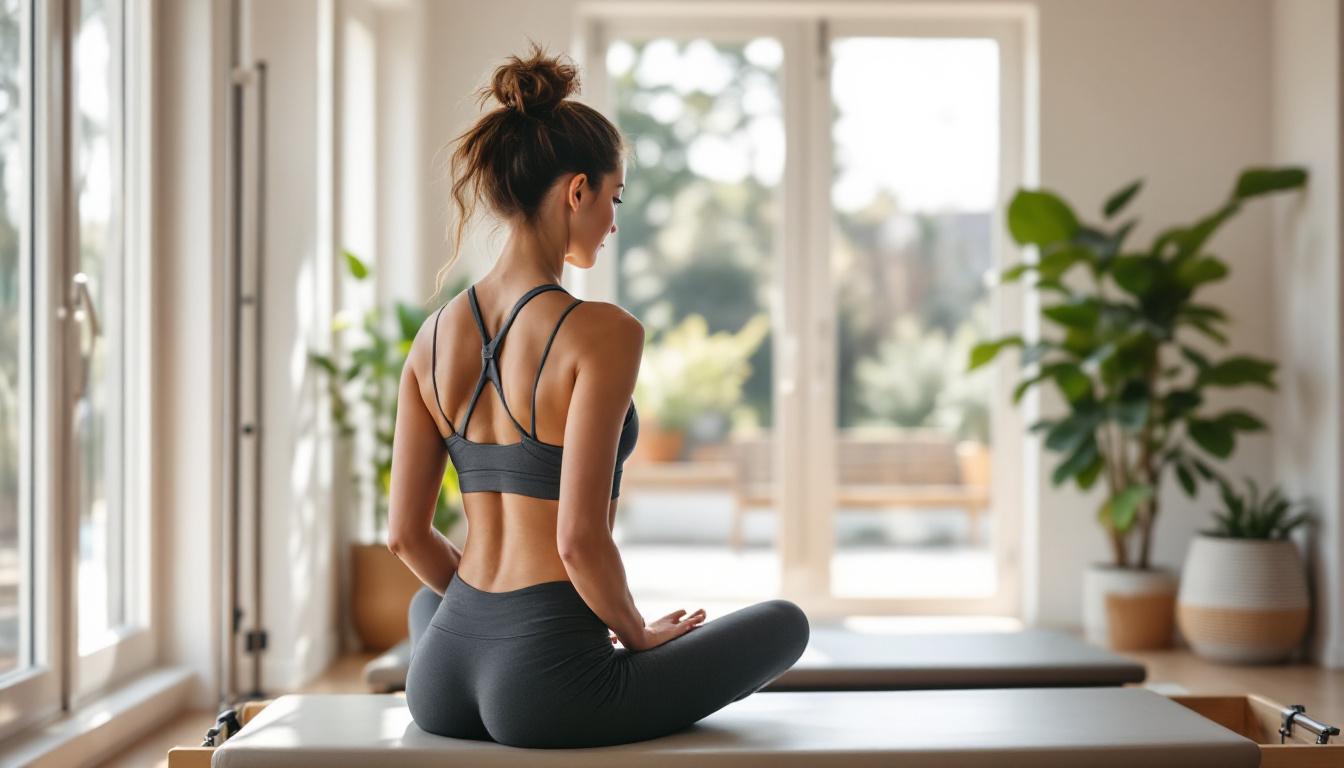

Achieving rock-hard abs doesn’t require hours at the gym or heavy equipment. This 20-minute at-home workout fuses the power of Pilates with targeted movements that ignite your core strength efficiently. Designed for all fitness levels, this routine focuses on activating deep abdominal muscles and improving posture, stability, and endurance without the need for machines or weights. Grounded in precise breath control and continuous motion, it offers a sustainable path to sculpting your midsection with minimal time but maximum results.
PILATES FOR CORE STRENGTHENING
Pilates stands out as a premier method for building a solid core using only body weight. Unlike many traditional ab workouts that emphasize surface muscles, Pilates also targets the deep stabilizers supporting the spine. These muscles enhance posture and reduce common back pains, often tied to weak core engagement. Incorporating Pilates into a regular fitness routine improves not only the appearance of your abs but also the functional strength of your midsection, promoting injury prevention and overall body control.
This form of exercise relies heavily on streamlined, controlled movements that maintain tension in the abdominal region throughout the routine. By avoiding rapid or jerky motions, Pilates emphasizes quality over quantity, ensuring each contraction contributes meaningfully to strengthening. Breath regulation is fundamental to this practice, optimizing muscle activation and making the exercises feel more accessible yet challenging—thus catering to both beginners and more experienced fitness enthusiasts.
Compared to workouts requiring equipment or weights, Pilates enables high levels of progression and adaptation. For example, a beginner can start with feet grounded during exercises like The Pilates Hundred, while advanced users may extend legs or increase hold durations to maximize effort. This flexibility supports consistent progress across different ability levels, reinforcing core strength without risk of strain or burnout.
Scientific studies confirm that consistent practice of Pilates not only tones the abdominal muscles but also increases flexibility and range of motion. This holistic benefit aligns Pilates with modern fitness goals that prioritize sustainable, functional health gains rather than isolated muscle bulk. Pilates complements other training methods such as Kettlebell core moves or balance workouts by creating a solid foundation upon which varied physical challenges can safely unfold.
THE 20-MINUTE PILATES AT-HOME WORKOUT
Unlike traditional sets and reps, this workout flows continuously for about 20 minutes, using minimal rest and focusing on sustained core workout activation. Key exercises like The Pilates Hundred, the Single Leg Stretch, and Roll-Ups are sequenced to maintain tension and challenge abdominal endurance effectively.
Each movement typically lasts between 30 to 60 seconds, ensuring constant engagement of the abdominal muscles and their supporting structures. This protocol stimulates muscle endurance alongside strength, essential for achieving a rock-hard midsection. The inclusion of oblique-centric exercises such as side planks with hip lifts and bicycle crunches targets all planes of the core, increasing the sculpting effect and functional stability.
This routine requires no equipment, making it perfectly suited for home fitness setups. A yoga mat suffices as the only accessory, promoting convenience for anyone under time constraints or preferring to exercise in private spaces. Performing this workout consistently two to three times per week yields visible improvements in muscle tone, posture, and core endurance within a matter of weeks.
For enhanced results, the regimen encourages mindful breath control and deliberate movement, which not only intensifies muscle recruitment but reduces fatigue and chemical buildup during exercise. This a hallmark of effective Pilates teaching that differs from many fast-paced, high-intensity workouts by fostering long-term adherence and reducing injury risks.
BENEFITS BEYOND THE ABS: PILATES AND FUNCTIONAL FITNESS
Core strength gained through Pilates transcends abdominal aesthetics—it plays a critical role in overall functional fitness. A robust midsection supports back health, improves balance, and enhances athletic movements in disciplines such as CrossFit, running, and Hyrox.
The dynamic interplay between core and lower back muscles during Pilates exercises helps correct slouching habits that contribute to chronic pain. Strengthening these muscles also stabilizes the pelvis, which is crucial for runners and fitness enthusiasts aiming for efficient, injury-free performance. For example, the swimming exercise included in this workout activates the glutes and lower back, reinforcing posterior chain endurance.
Moreover, Pilates enhances flexibility and spinal mobility. Exercises such as the seated spine twist improve rotational range, benefiting activities requiring torso mobility. This combination of strength and flexibility fosters superior posture and movement efficiency, significant factors in avoiding repetitive strain injuries prevalent in office workers and athletes alike.
The non-impact nature of Pilates also makes it suitable for recovery phases between intense workouts. Unlike high-intensity strength training or plyometrics, Pilates allows muscles to engage without undue stress on joints or connective tissues, facilitating active recovery while maintaining progress toward abs sculpting.
TAILORING THE PILATES WORKOUT TO YOUR FITNESS LEVEL
Pilates’ versatility makes this 20-minute routine accessible and effective for novices and advanced practitioners alike. Beginners may opt for modifications such as keeping feet grounded during The Pilates Hundred or shortening plank holds, while advanced users can intensify the challenge by adding variations like ankle weights or increasing plank duration.
Gradual progression encourages sustainable improvements without risking overexertion or injury. Using body awareness cues from Pilates principles like controlled breathing and precise alignment, participants learn to refine their form, maximizing the impact of every repetition. This approach contrasts with some common ab workouts that prioritize quantity and speed over quality, often leading to compensatory movements and pain.
Tracking progression in Pilates involves noting increased hold times, improved balance, or the ability to perform advanced variations gracefully. This feedback loop motivates continued practice and ensures continual development of core strength and endurance over time, which are critical components for rock-hard abs.
For those interested in expanding their routine, pairing Pilates with related fitness approaches such as Kettlebell core moves or balanced standing core exercises can provide complementary challenges. These modalities enhance core engagement dynamically, contributing to a well-rounded home fitness strategy.
| Exercise | Duration | Targeted Muscles | Modification |
|---|---|---|---|
| Pilates Hundred | 1 min | Deep abdominals, breath control | Feet on floor for beginners |
| Single Leg Stretch | 45 sec per side | Rectus abdominis, hip flexors | Reduce leg extension |
| Roll-Ups | 45 sec | Spinal flexors, abs | Partial range of motion |
| Side Plank with Hip Lifts | 30 sec per side | Obliques, shoulders | Knees down for beginners |
| Plank Hold | 60 sec | Full core | Shorten hold time |
OPTIMIZING RESULTS WITH DIET AND ROUTINE
An effective exercise routine for achieving rock-hard abs depends not only on workouts but also on nutrition and consistency. Pilates enhances muscle tone and core strength, but body composition improvement requires moderate calorie control and balanced macronutrients to reduce belly fat. Combining Pilates with clean eating habits accelerates visible toning and fat reduction around the midsection.
Hydration and recovery equally influence core training outcomes. Muscles function optimally when well-fueled and rested, emphasizing the importance of sleep and nutrient timing. Pilates, being low-impact, allows daily practice without excessive fatigue, promoting better adherence and sustained benefits in core strength.
For home fitness enthusiasts, integrating Pilates abs workouts such as this 20-minute sequence with complementary exercises like dumbbell routines or kettlebell moves creates a comprehensive approach. Variety helps maintain motivation and develops multiple muscle groups, leading to better overall fitness and a more sculpted abdomen.
Implementing these principles consistently—2 to 3 times weekly Pilates sessions combined with supportive nutrition and balanced cross-training—builds a sustainable pathway towards a stronger, leaner core.
Explore additional Pilates options and variations to keep your workouts fresh via gentle core training or powerful Pilates sequences designed for performance enhancement. Developing a tailored program that leverages both rates core strength and absorption of complementary movements maximizes the potential of this effective 20-minute home workout.
Power Pilates Workout Home, Pilates Core Holds Abs, and Standing Core Moves provide excellent extensions for those seeking to deepen their practice. For more variety, Kettlebell Core Moves and Exercises with 2 Dumbbells complement Pilates by challenging core muscles dynamically, essential for comprehensive abdominal toning.
