
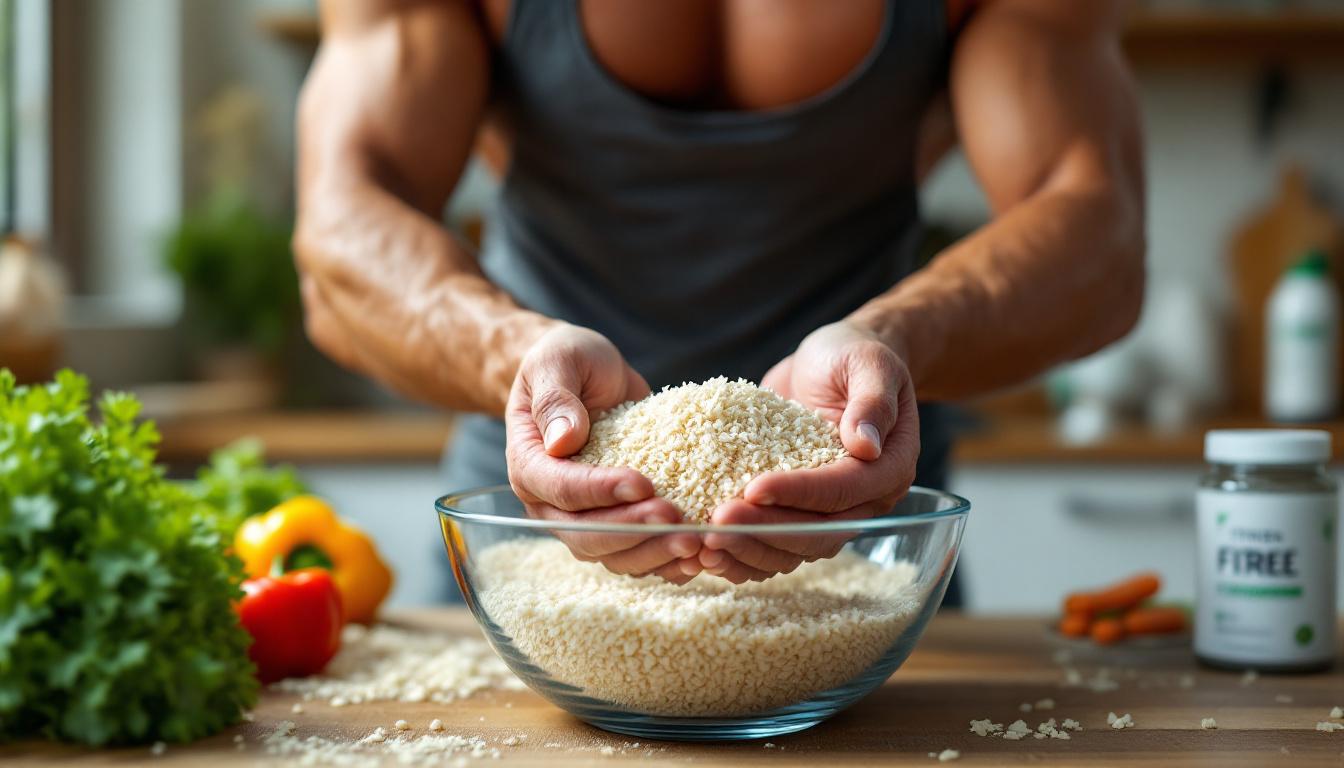

Grip strength is an essential yet often overlooked component of overall fitness. While dumbbells and barbells dominate traditional strength training, a curious and effective alternative has re-emerged: the rice bucket method. This simple, low-impact hand exercise targets muscles in the fingers, wrists, and forearms, building strength and flexibility that dumbbells often miss. Widely used by athletes and therapists alike, this technique combines practicality and innovation, offering a unique way to enhance your grip strength.
Why Grip Strength Matters Beyond Dumbbells
Grip strength plays a crucial role in performance across dozens of sports and daily activities. Whether you’re a climber, weightlifter, martial artist, or simply someone looking to maintain functional hand health, strong hands and forearms are pivotal. Traditional strength training focuses on gross muscle power but often neglects the intricate muscles controlling finger movement and wrist endurance. This is where the rice method distinguishes itself. By providing multidirectional resistance, rice bucket training challenges these smaller muscles with continuous tension, improving their endurance and preventing injuries.
Unlike dumbbells, which essentially train grip in one plane (mostly through squeezing or lifting), the rice method forces your hands to navigate resistance in all directions. This natural variability results in functional strength gains that translate directly to improved sports performance and daily grip tasks. For example, athletes like baseball players and climbers have incorporated rice bucket training into their routines to enhance their forearm endurance and reduce fatigue during prolonged activity.
Moreover, grip strength correlates with overall muscle capacity and coordination. Studies reveal that individuals with a stronger grip experience less risk of conditions such as carpal tunnel syndrome or repetitive strain injuries. The low-impact nature of rice-based exercises minimizes joint stress and improves hand mobility, presenting an alternative that is both highly effective and joint-friendly. Those recovering from injuries find it particularly beneficial as a form of hand therapy, helping regain fine motor function without heavy strain.
How Rice Bucket Training Works: A Closer Look at the Technique
Rice bucket training involves plunging one or both hands deep into a bucket filled with uncooked rice and performing a series of movements designed to strengthen fingers, wrists, and forearms. The rice’s resistance feels natural yet provides continuous tension, making it ideal for strength training and rehabilitation. The bucket’s mass and the rice’s granular structure deliver an even and adjustable challenge depending on how deeply you immerse your hands.
The range of exercises is broad. Movements like opening and closing your hands inside the rice target basic grip strength, while spreading fingers splayed attacks finer muscle groups often neglected in traditional strength workouts. More complex exercises, such as wrist swivels and elbow pivots, engage larger muscle groups and improve joint flexibility. This multidimensional approach allows you to build muscle seamlessly from the fingers all the way to your elbow, which is uncommon in many standard strength training regimens.
Variation also makes this method highly adaptable. Beginners can start gently with simple scooping and clawing motions, while experienced athletes may increase intensity by plunging deeper or adding speed. This versatility allows rice bucket training to serve as a gap filler or supplement to a broader strength program. For those interested in integrating functional grips into their training, complementing rice bucket routines with core kettlebell moves or bodyweight exercises adds holistic strength benefits across the upper body and hands.
Unique Advantages Over Traditional Grip Workouts
While dumbbells and other grip training tools like stress balls or fat grips are effective, rice bucket training presents distinct benefits. One major advantage is its low injury risk. Exercises typically involve slow, controlled movements that place minimal sudden strain on tendons and joints. This reduces the risk of aggravating chronic conditions or developing overuse injuries common in heavy lifting or high-impact grips.
Rice method workouts also promote hand dexterity and joint mobility. The fine motor control required to manipulate rice grains enhances neurological conditioning and hand-eye coordination, often overlooked in straightforward muscle-building routines. This makes the method especially valuable for athletes requiring precision grip, such as climbers, martial artists, and musicians.
Another practical edge is accessibility and cost-effectiveness. A simple bucket and rice can be procured easily and used anywhere—home, office, or gym—offering a portable dumbbell alternative ideal for those with limited space or budget. This simplicity encourages consistent practice that builds strength over time rather than sporadic workouts dependent on gym availability.
Beyond muscle building, rice bucket training also aids in rehabilitation. Physical therapists increasingly deploy this method to help clients recover from wrist, hand, or elbow injuries by gradually restoring strength and flexibility. Unlike machines or free weights, rice provides uniform pressure that adjusts to individual movement, reducing the risk of further harm during therapy.
Crafting the Perfect Rice Bucket Workout Routine
An effective rice bucket workout combines several targeted exercises executed in sequence to comprehensively strengthen the entire hand and forearm complex. A basic routine might involve exercises like “Open and Close” to develop fundamental grip strength, “Splayed Fingers” to engage the hand’s fine flexors, and “Scoop and Drop” motions for endurance. Each exercise can be repeated about 30 to 50 times per set, depending on fitness level and goals.
Advanced routines incorporate “Buried Treasure,” where small objects like marbles or buttons are hidden in the rice to improve fingertip precision and coordination. “Wrist Swivels” and “Elbow Pivots” target flexibility and muscle firing from the wrist through the forearm and elbow joints. Timed exercises such as “Paint the Fence” and “Potato Masher” promote wrist and forearm stamina over sustained periods. Alternating these moves maximizes engagement and prevents overuse.
Integrating rice bucket exercises once or twice weekly into an existing training schedule can significantly enhance grip strength without detracting from other workouts. For overall fitness balance, it is valuable to combine this work with complementary strength exercises like kettlebell core moves or bodyweight moves for full-body conditioning. When regularly practiced, the rice method supports better hand function, improved muscle building, and diminished injury risk, making it a holistic part of any strength training approach.
| Exercise | Main Focus | Repetitions | Benefits |
|---|---|---|---|
| Open & Close | Basic grip strength | 50 reps | Enhances overall finger and forearm strength |
| Splayed Fingers | Fine motor muscles | 50 reps | Improves finger dexterity and prevents stiffness |
| Scoop ‘n’ Drop | Endurance and motor control | 50 reps | Supports recovery and low-intensity strength |
| Buried Treasure | Precision grip | Find 20 objects | Develops touch sensitivity and coordination |
| Wrist Swivels | Wrist flexibility | 30 seconds each | Prevents wrist injuries and enhances range |
Expanding Grip Strength Training Beyond Rice
While rice bucket training is excellent for foundational grip strength and hand therapy, it should ideally be complemented with other strength training exercises for full functional gains. Farmers carries with kettlebells or heavy dumbbells, for example, provide gross gripping power combined with core and leg stability. Repetitive carries build endurance and enhance forearm and shoulder involvement. Reference to kettlebell core moves provides guidance on integrating these into fitness plans effectively.
Reverse curls and chin-ups offer complementary upper limb strengthening. The reverse curls, with palms facing down, challenge finger and wrist muscles differently than standard curls, while pull-ups command a powerful grip sustaining bodyweight, making them indispensable grip builders. Combining these with rice training creates a balance between precision and power. For those over 50 or new to fitness, morning exercises designed for flexibility and strength can also support gradual hand and forearm conditioning—insights available at morning exercises over 50.
Maintaining flexibility and mobility along with strength is vital. Stretching fingers, wrists, and forearms prevents stiffness and injury, often overlooked in many regimens. Developing a program integrating rice bucket therapy, weight training, and adequate stretching prolongs hand health and function sustainably. Great resources for balanced fitness routines can be found in guides like this comprehensive exercises men strength and strength exercises collections.
