
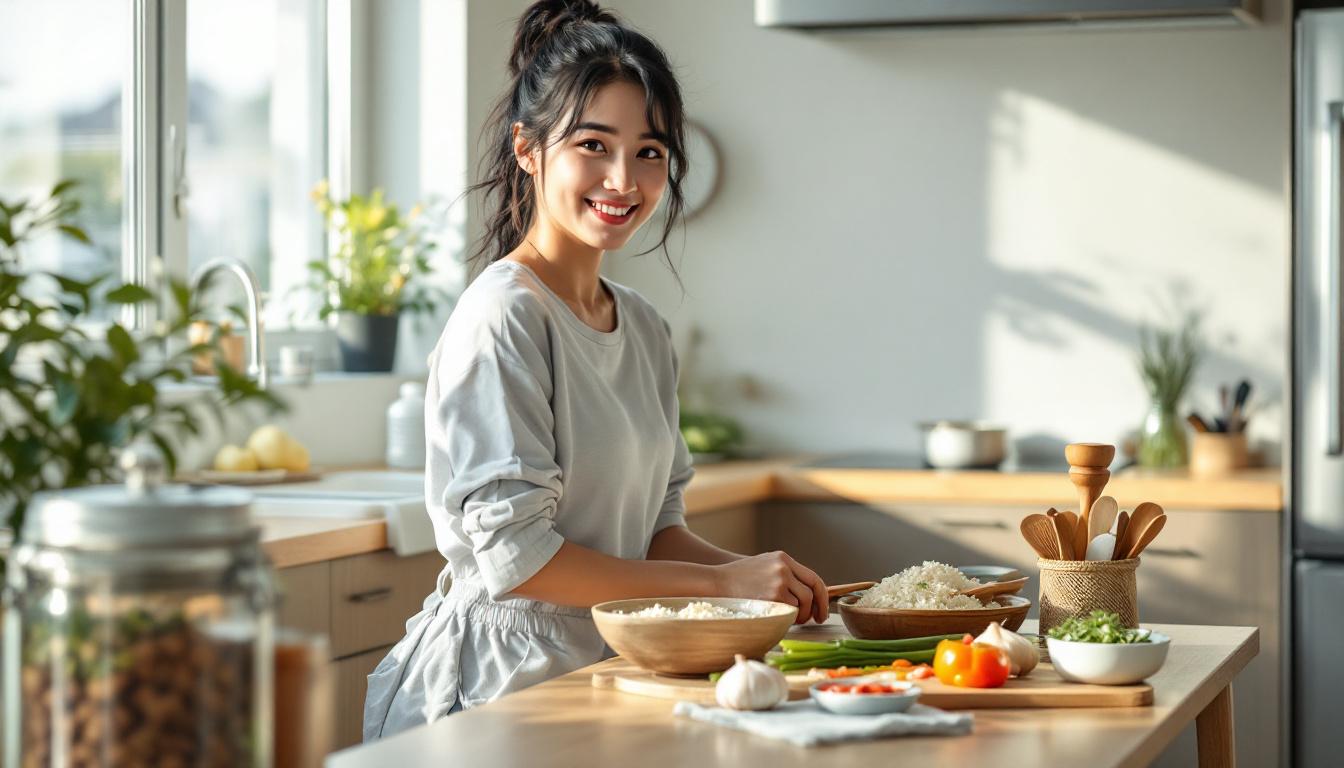

Rice is a fundamental part of traditional Korean food, deeply embedded in daily life and culture. In Korea, a simple cooking technique transforms ordinary rice into a healthier, more nutritious staple. This method not only enhances the rice’s texture and flavor but also amplifies its health benefits. Korean households have embraced this trick for generations, elevating home cooking beyond basic meal prep. Understanding and adopting this approach can significantly improve the nutritional value of rice, aligning perfectly with current interests in nutritious meals and healthy rice consumption.
Korean Cooking Tradition Elevates Rice
Korean cuisine places rice at the heart of every meal, making the mastery of rice preparation essential. Koreans consume rice multiple times a day, often three meals daily, underscoring its significance. However, they avoid eating pure white rice only, opting instead for multi-grain blends or mixed grains to boost nutrition. This tradition stems from historical policies during challenging economic periods when the government encouraged citizens to mix barley, red azuki beans, sorghum, and other grains with rice. This policy, known as Honsik, aimed to reduce demand for luxury white rice while improving health with added fiber and protein.
Today, this practice enjoys a resurgence as part of a healthy lifestyle embracing whole foods and fiber-rich diets. People preparing Korean rice at home recreate this simple trick by combining short or medium-grain white rice with lentils or beans, turning the humble grain into a superfood-packed dish. This multi-grain rice, called japgokbap, boasts increased fiber, essential amino acids, and complex carbohydrates, aligning with modern nutrition advice for more balanced macros and better glycemic responses.
The process also involves careful washing and soaking techniques to eliminate impurities while preserving nutrients. Koreans typically rinse rice at least three times, ensuring the removal of dirt and arsenic without stripping the grain of beneficial starches. Soaking the rice for about 30 minutes before cooking helps achieve an even texture, critical for those who cook rice on stovetop pots or stone pots, the traditional vessel that retains heat evenly. These practices enhance the rice’s flavor profile and encourage a more wholesome dietary intake.
Simple Cooking Tips for Nutritious Meals
A key aspect of making rice healthier involves mastering the water-to-rice ratio and cooking method. The typical recommendation is about one to one or one to 1.1 cups of water per cup of short-grain rice, slightly more when cooking on stovetop to prevent dry rice due to evaporation. For pressure rice cookers, a strict 1:1 ratio without soaking is advised to avoid mushy texture. Koreans utilize heavy, thick-bottomed pots which promote even cooking and avoid burnt spots, another simple cooking trick to enhance the eating experience.
Another secret lies in the resting period after cooking, called 뜸 들인다 (tteum deulinda), allowing the rice to sit covered for 5 minutes to let moisture redistribute evenly throughout the grains. This makes the rice soft, resilient, and less sticky—ideal for both JinBap (moist rice) and DoenBap (dryer rice) preferences. Achieving the perfect balance between these textures is a subtle art and varies based on family tradition and personal preference but significantly impacts the mouthfeel and digestion.
Moreover, the cooking vessel itself affects nutrition. Stone pots like Dolsot trap heat exceptionally well, cooking rice evenly while sealing in flavor and nutrients. This method also naturally produces Nurungji, the crispy burnt rice layer prized as a crunchy snack or base for soups, adding a sensory and nutritional dimension to the meal. In contrast, electric rice cookers often lose some of these textural benefits but offer convenience, particularly for busy lifestyles and meal prep.
Learning to tweak these variables to your household taste encourages engagement with food quality. For example, adding washed and soaked beans during cooking boosts fiber and protein without compromising the typical rice texture. These incremental changes turn a simple rice recipe into a nutritious cornerstone of healthy eating and meal prep efficiency.
Health Benefits of Korean Rice and Multi-Grain Combinations
The traditional Korean approach to rice preparation offers considerable health advantages, particularly when integrating mixed grains. Multi-grain rice recipes enhance fiber intake, supporting gut health and stable blood sugar levels. The inclusion of legumes like red azuki beans and lentils supplies plant-based protein and essential micronutrients such as iron and zinc, vital in balanced diets. This contrasts with eating white rice alone, which can cause rapid blood sugar spikes due to its high starch content.
Scientific literature has increasingly recognized the importance of whole grains and mixed-rice meals in metabolic health. The Japanese and Korean diets serve as prime examples of nutritional wisdom, emphasizing the consumption of rice with additional grains or beans to temper glycemic indices. Individuals adopting these cooking tricks often report improved energy levels and better weight management, correlating to the prolonged digestion and nutrient density of mixed-grain rice.
From a dietary perspective, soaking rice also reduces certain anti-nutrients like phytic acid, enhancing mineral absorption. Coupled with rinsing and cooking methods, these practices contribute to making rice a more nutritious base rather than a simple carbohydrate source. Furthermore, keeping rice in frozen portions after cooking preserves freshness and quality, making it easier to integrate Korean rice health benefits into busy lifestyles that emphasize meal prep.
| Rice Type | Water Ratio | Cooking Time | Fiber Content | Protein Content |
|---|---|---|---|---|
| White Short-Grain Rice | 1:1 to 1:1.1 | 15-20 minutes | ~2g per serving | 4g per serving |
| Multi-Grain Rice with Beans | 1:1.1 (extra water) | 20-25 minutes | 5-7g per serving | 7-9g per serving |
| Brown Rice | 1:1.2 | 20-25 minutes | 4-6g per serving | 5-7g per serving |
Applying Traditional Rice Techniques: From Stove to Stone Pot
Cooking Korean rice on the stovetop remains a favored method for purists and those seeking optimal texture. This approach demands a careful balance of timing and temperature. After rinsing and soaking, the rice is placed into a heavy-bottomed pot with precise water measurements. Initial cooking starts at medium-high heat to reach boiling without spilling over, then reduces to low for simmering. This method yields a dry yet fluffy rice, or DoenBap, preferred by many for its distinct grains and enhanced mouthfeel.
Stone pots, or Dolsot, offer further culinary advantages. The heat retention of agalmatolite stone ensures an even cook, providing tender yet firm rice that holds well in dishes like bibimbap. Additionally, the natural formation of Nurungji in the stone pot presents a pleasant contrast and additional flavor layers. For those lacking these traditional pots, a thick stainless-steel pot also accomplishes excellent results.
This method is particularly valuable when preparing smaller batches, contributing to versatile meal prep options. Since many Koreans prefer varying textures, adjusting the soaking time and water amount tailors rice from moist JinBap to the drier DoenBap, offering flexibility rarely matched by electric rice cookers. Moreover, learning these techniques enables better control over texture and quality, proving useful when rice cookers are unavailable or certain meals demand nuanced textures.
Mastering stove-top Korean rice elevates home cooking skills while offering an authentic culinary experience. A dedicated routine, from rinsing to resting, results in better rice that supports nutritious meals and meal prep. This technique aligns with current diet trends emphasizing wholesome, natural ingredients.
Rice Preparation and CrossFit Nutrition Synergy
Athletes, including CrossFit enthusiasts, benefit from the enhanced nutrition of Korean multi-grain rice due to its balance of easy-to-digest carbohydrates, protein, and fiber. The slow energy release from such nutrient-dense combinations supports sustained performance and recovery. Incorporating beans and legumes, as promoted by traditional Korean cooking, further augments nutrient density for strength and endurance training.
Nutrition experts recommend pairing this rice with strength-building workouts to optimize muscle recovery and energy management. This relationship between diet and performance underscores the link between food preparation methods and physical health. One can explore complementary seated exercises for leg strength to synergize with these nutrition gains, information available through trusted fitness platforms.
For fitness-minded individuals, adopting these rice cooking tricks provides a foundation for nutritious meals that complement exercise routines. As simple cooking tips, these methods foster mindful food preparation habits, enhancing overall well-being.
For practical guidance on integrated fitness approaches that include diet and exercise, consider checking out resources about leg strength seated exercises, which pair well with the energy benefits of healthy rice meals, creating a holistic fitness lifestyle.
