
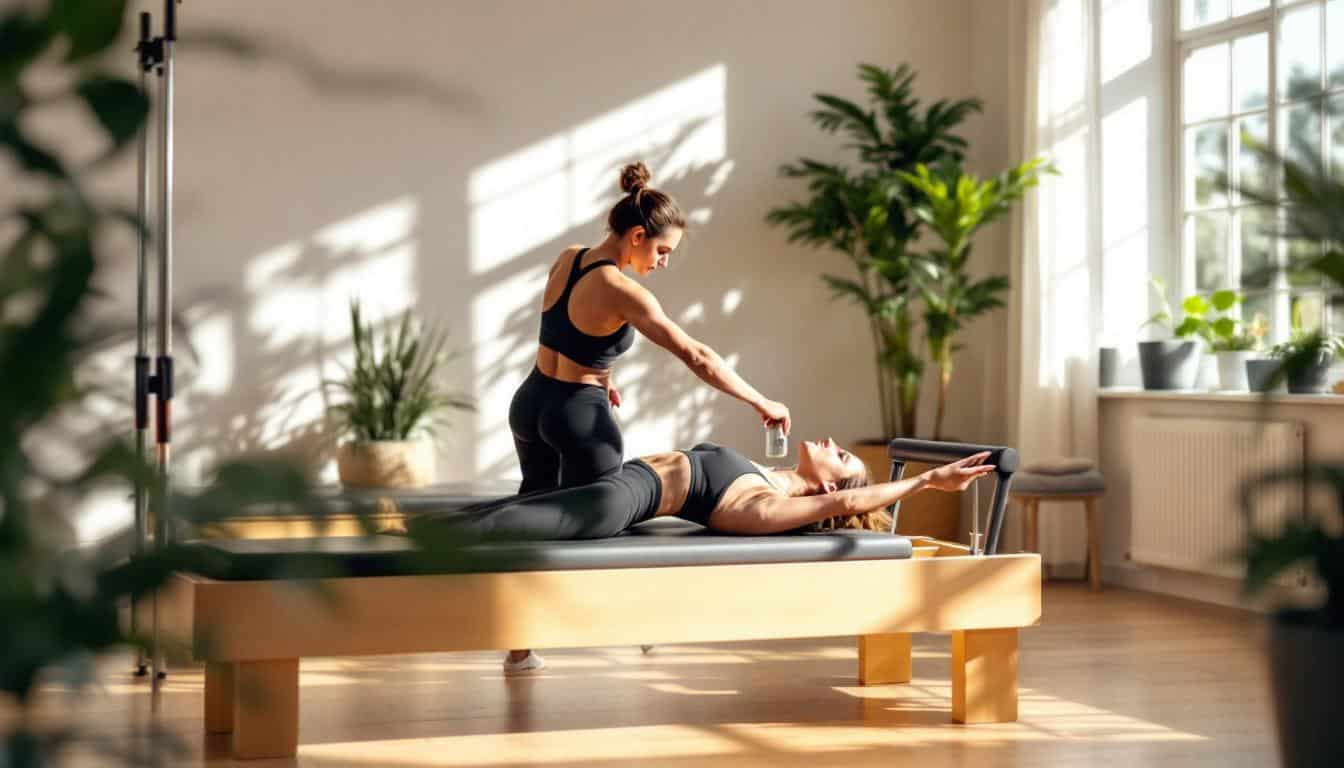

Discover how just 15 minutes of focused Pilates can profoundly sculpt your deep abs and transform your core strength. This mini workout promises more than surface-level toning—it activates the deepest abdominal muscles critical for posture, balance, and functional movement. Designed for those seeking efficient fitness routines without compromising quality, these quick Pilates ab exercises emphasize body toning with precision and control. Dive into an effective, low-impact core session that fits seamlessly into any busy schedule, delivering powerful results through targeted movements.
Targeting Deep Abs for Core Strength
Pilates stands out among fitness methodologies for its ability to activate the deep abdominal muscles, particularly the transversus abdominis — the deepest layer of core muscles. Unlike general ab workouts that primarily target the rectus abdominis, better known as the six-pack, Pilates engages the entire core complex. This includes pelvic floor muscles, erector spinae, and obliques, all essential for spinal support and movement stability.
During a 15-minute Pilates session, movements such as criss-cross obliques and forearm plank body saws challenge the body’s stability while strengthening these core muscles effectively. The slow, controlled nature of Pilates allows practitioners to consciously engage the right muscles, reducing the risk of injury and improving posture over time.
Core strength developed through these targeted exercises improves not only athletic performance but also daily function. Strong deep abs reduce strain on the lower back by distributing forces more evenly during movement, which is vital for longevity in physical activities and postural health. Pilates thus serves as a comprehensive method to sculpt not just the visible abs but the entire core system responsible for body alignment and strength.
For those unfamiliar or new to Pilates, you can find beginner-friendly options with progressions and regressions tailored to individual fitness levels on platforms such as Pilates exercises for diverse fitness ages and levels. This accessibility enhances adherence to quick workouts and fosters consistent strengthening over time.
Efficiency of a Mini Pilates Workout
Simply put, a 15-minute Pilates mini workout can be remarkably effective in delivering results when performed consistently and with proper form. This efficiency is achieved by combining compound movements that simultaneously activate multiple muscle groups. Exercises like the three-point scoop combined with side leg kicks and forearm plank body saws with alternating leg lifts exemplify these principles. These compound moves stimulate not only the core but also the glutes, quads, shoulders, and hamstrings.
Such workouts leverage supersets—performing moves back-to-back without rest between them—to intensify muscle engagement and maximize calorie burn within the limited timeframe. This approach is especially beneficial in fast-paced lifestyles where every minute counts.
Furthermore, Pilates’ low-impact nature minimizes joint stress, making it a sustainable option for a variety of individuals, including those managing minor injuries or looking to avoid high-impact fitness routines. This combination of quick yet comprehensive movements highlights why Pilates fits perfectly as a “quick workout” choice for body toning and deep abs sculpting without requiring equipment beyond a mat.
Visit this resource on flat abs Pilates moves for specific exercise ideas complementing mini workout routines. These exercises can easily be integrated into daily fitness sessions or combined with other training modalities like running or Hyrox for enhanced fitness results.
Proper Engagement to Avoid Neck Strain
One common challenge for Pilates beginners, particularly in ab-focused workouts, is neck discomfort. This often occurs when the neck muscles compensate for weak deep core activation. Pilates instructional cues emphasize the importance of “engaging your core” to fully support the upper body during movements like the Pilates 100, teaser roll-ups, or criss-cross obliques.
Proper form begins with alignment: the head, neck, and shoulders should be gently lifted, with the chin slightly tucked to elongate the neck and activate the abdominal muscles without placing unnecessary tension on the cervical spine. Periodic pauses during the workout allow practitioners to reset this alignment and focus on mindful activation of the deep core muscles.
Additionally, Pilates exercises offer modifications—for example, keeping the head down or resting the hands lightly behind the head—to ease the load on the neck until core strength improves. These variations foster a gradual build-up of endurance and reduce injury risk.
Educational material from trusted sources, such as detailed tutorials on strengthening must areas for aging athletes, provide further guidance on avoiding strain and ensuring effective Pilates practice for all demographics.
Full-Body Benefits Within a Core Workout
While Pilates mini workouts primarily target deep abs and core strength, they deliver holistic fitness benefits. Movements in these routines engage multiple body parts simultaneously, creating a full-body conditioning effect. For instance, the side-lying leg lift combined with an oblique crunch activates lateral core muscles while working the glutes, hips, and lower back. This coordination enhances balance and functional movement patterns critical for athletic pursuits and everyday activities.
Moreover, dynamic plank-based exercises like the forearm plank body saw with alternating leg lift recruit large muscle groups across the shoulders, arms, core, and lower body. This integration improves muscle endurance, joint stability, and neuromuscular control.
These exercises cater well to the demands of sports such as Hyrox and CrossFit, where core stability and power transfer across the body are paramount. Incorporating Pilates into a training regime can therefore amplify performance and reduce the risk of injury through better movement quality and muscular balance.
To broaden your regimen, consider visiting resources on strength exercises for men that support functional fitness outcomes aligned with Pilates benefits.
Accessible Modifications and Progressive Training
A key advantage of Pilates mini workouts lies in their adaptability. Every exercise offers modifications to suit all fitness levels, ensuring that progressions and regressions are readily available. This means beginners can start gently and gradually intensify their workouts as core strength develops, while advanced practitioners can increase difficulty for ongoing challenge.
For example, during the Pilates 100 or single-leg stretch, participants can extend or bend legs depending on their endurance and flexibility. Side plank variations allow for options such as lowering the knees to the ground for extra support or performing hip dips for added intensity.
Such flexibility in exercise design makes Pilates an ideal choice for sustained fitness routines. It fosters consistency by accommodating changing fitness capacities and recovery needs. This is particularly important given the common barriers of time constraints and motivation in maintaining regular workouts.
Explore tailored Pilates routines online, including those focused on long-term core strength improvements through mini workouts, as featured on platforms like walking arm and core exercises. Integrating Pilates with other light activities can enhance body toning and promote functional strength sustainably.
| Exercise Name | Target Muscles | Duration | Modification Options |
|---|---|---|---|
| Pilates Bent-Knee Stretch | Deep abs, pelvic floor | 40 seconds | Bent knees for less intensity, straight legs for advanced |
| Forearm Plank Body Saw | Core, shoulders, glutes, hamstrings | 40 seconds | Knees on the floor, shorter range of motion |
| Side-Lying Leg Lift + Oblique Crunch | Obliques, glutes | 40 seconds each side | Reduce range of motion, perform separately |
| Pilates 100 | Deep core endurance | 40 seconds | Bent knees instead of straight, arms by side instead of pumping |
| Teaser Roll Up | Upper abs, balance | 40 seconds | Partial roll-ups or use hands for support |
