
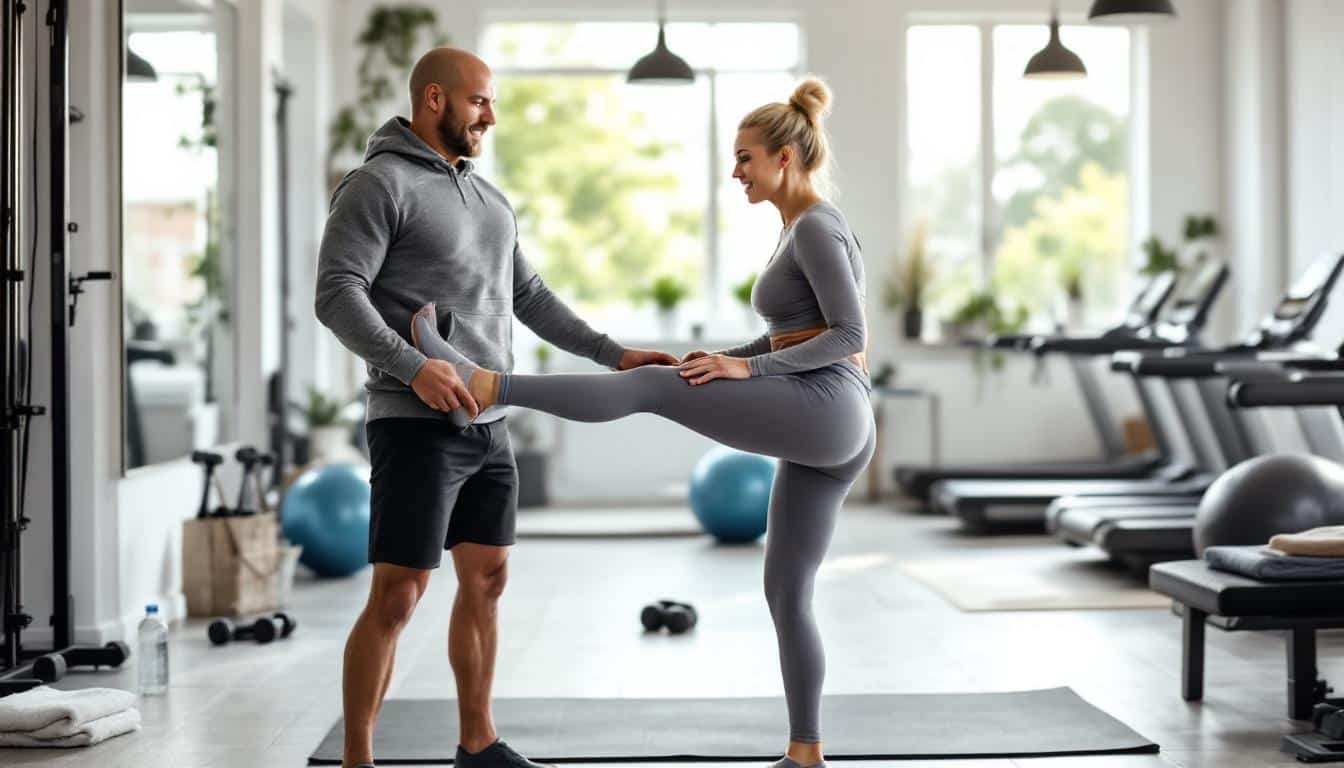

Maintaining strength and mobility after 50 is crucial for living an independent and active life. Among various fitness routines, one exercise stands out for its profound impact on functional fitness and healthy aging: the squat. This powerful movement enhances leg strength, improves posture, and supports daily activities from sitting to standing. Fitness coaches emphasize its significance not only for seniors but for anyone aiming to sustain vitality with age. Understanding why and how to integrate squats into a daily age-appropriate workout can transform the quality of life and empower seniors to combat muscle loss effectively.
Squats: Foundation of Functional Fitness
The squat is often hailed as the cornerstone of functional fitness because it mimics everyday movements such as sitting down and standing up, climbing stairs, or picking up objects. For those over 50, particularly, preserving lower-body strength becomes a top priority due to natural muscle degradation and reduced power output. Recent insights stress that squats work the major muscles in the legs, including the quadriceps, hamstrings, glutes, and calves, as well as the core stabilizers that contribute to balance. When executed properly, squats train the body in a coordinated movement pattern essential for maintaining autonomy.
One notable example is Jacqueline Hooton, a 61-year-old fitness coach from West Sussex, who advocates for squats as a daily exercise to help older adults perform basic tasks independently. She highlights that squats, especially when complemented by slowing the descent, holding the bottom position, and then rising explosively, are highly effective for strengthening the muscles involved in movements critical to mobility. This controlled technique also potentiates posture improvement by activating spinal stabilizers, reducing risks of falls and injuries common among seniors.
Moreover, chair-assisted squats serve as an entry point for those experiencing knee discomfort or decreased flexibility. Adjusting chair height can alleviate joint stress while maintaining the benefit of the movement—a fine example of modifying exercises to suit individual needs. Incorporating squats into a broader regimen of strength training routines can profoundly impact senior fitness by addressing muscle loss progressively and safely.
Benefits Beyond Muscle Gain
Although squats are renowned for building muscle strength, they offer multiple benefits that support overall well-being for individuals over 50. One key advantage is improving joint health and flexibility, important factors in maintaining mobility and reducing the pain that often accompanies aging. By regularly practicing squats, joint capsules receive essential nourishment through movement, which helps prevent stiffness and fosters a wider range of motion.
Another benefit lies in circulation enhancement. Engaging large muscle groups during squats encourages better blood flow, delivering oxygen and nutrients throughout the body while assisting in metabolic function. This can positively influence energy levels and cardiovascular health, making squats a valuable part of a comprehensive approach to healthy aging.
Additionally, squats contribute to metabolic rate improvement, helping with weight management and hormone regulation—two critical areas commonly challenged by middle age and beyond. As muscle mass increases, so does resting energy expenditure, facilitating fat loss and better endurance. For seniors looking to maintain vitality, this is a crucial advantage.
Lastly, the neurological benefits of squatting are often overlooked. Executing squats requires coordination, balance, and proprioception, which are fundamental for preventing falls—a leading cause of injury in older adults. Regular squat performance strengthens the neuromuscular connections and reflexes, enhancing postural control and stability during daily movements.
Executing Squats Safely and Effectively at 50+
Mastering proper squat technique is vital for maximizing benefits and minimizing injury risk, especially for older adults who may contend with joint issues or limited mobility. The foundational instruction begins with standing shoulder-width apart with toes slightly pointed outward. Maintaining a neutral spine throughout the movement avoids unnecessary strain on the lumbar region. The downward motion should be controlled—hips pushed back as if sitting into a chair, knees tracking in line with toes, and weight balanced on the heels.
Incorporating a pause at the bottom of the squat improves muscle engagement and control, followed by an explosive upward movement recruiting fast-twitch muscle fibers essential for generating power. This combination not only reinforces strength but enhances posture improvement and balance.
For those struggling with standard squats, alternatives like chair squats or wall-supported squats provide excellent progressions. Using props to elevate the sitting position, as suggested by experts, can alleviate knee pain while adapting the challenge to one’s current ability. Integrating these variations ensures squats remain an accessible and enjoyable part of a daily exercise regimen suitable for every stage of life.
To further assist in recovery and injury prevention, integrating mobility exercises alongside squats supports joint lubrication and tissue resilience. Coupling strength isometric holds with dynamic stretches creates a balanced approach that promotes long-term health and performance for the aging body.
The Role of Daily Exercise in Sustaining Independence
Consistent practice of functional movements like squats plays a fundamental role in preserving independence for those over 50. Daily exercise routines centered on strength and mobility enable seniors to carry out essential tasks without assistance, reducing the need for external support as age-related physiological changes progress. Scientific studies reinforce the idea that even modest daily activity targeting lower-body strength correlates strongly with sustained autonomy and reduced fall risk.
Importantly, thoughtful inclusion of squats within a personalized age-appropriate workout emphasizes quality over quantity. Tailoring workouts to one’s capabilities prevents burnout and injury, encouraging continuous engagement rather than sporadic effort. A focused, methodical approach to daily squats—mixed with complementary movements like walking arm exercises or chair workouts—forms a holistic strategy supporting whole-body fitness and psychological well-being.
For example, performing chair-based strength workouts combined with regular walking arm exercises enhances cardiovascular health and upper body strength, while squats address the lower body. Together, this trifecta fosters durable, balanced fitness necessary for healthy aging. Such programs, recommended by fitness coaches, offer realistic pathways for seniors who wish to remain active and confident in their daily lives.
To explore how these integrative methods come together, visit walking arm exercises for over 50 and chair workouts designed for strength training. These resources provide comprehensive guidance supportive of adding squats safely and effectively into one’s routine.
Tracking Progress and Adjusting Your Routine
Seniors embarking on or continuing a squatting practice benefit greatly from tracking their progress and adapting routines over time. Progress can be measured through increased repetitions, improved depth and control, or the ability to perform weighted squats safely. Such metrics offer motivation and objective evidence of functional fitness enhancements, reinforcing commitment to daily exercise.
Incorporating a simple table of progression can elucidate goals and milestones beneficial for sustained engagement:
| Week | Exercise Type | Repetitions | Notes |
|---|---|---|---|
| 1-2 | Bodyweight chair squats | 8-10 reps, 2 sets | Focus on form and slow descent |
| 3-4 | Bodyweight squats | 10-15 reps, 3 sets | Add pause at bottom, increase control |
| 5-6 | Weighted squats (light dumbbells) | 8-12 reps, 3 sets | Focus on explosive ascent |
| 7+ | Advanced weighted squats | 12-15 reps, 3-4 sets | Incorporate variations as comfortable |
Adapting workouts in response to personal progress frees individuals from stagnant routines and encourages a lifelong habit of strength training. Rest days remain important, but the companion principle of daily low-impact exercises like squats reassures both coaches and trainees that sustainable improvements are within reach.
Regular communication with a fitness coach can aid in adjusting the program, addressing challenges related to joint pain or mobility limitations, and refining technique. For additional focused tips on strengthening key areas for aging bodies, consulting resources such as those covering must-strengthen muscles for aging proves invaluable. Supportive communities and expert guidance cultivate a realistic, optimistic outlook towards maintaining health and functionality well into later decades.
