
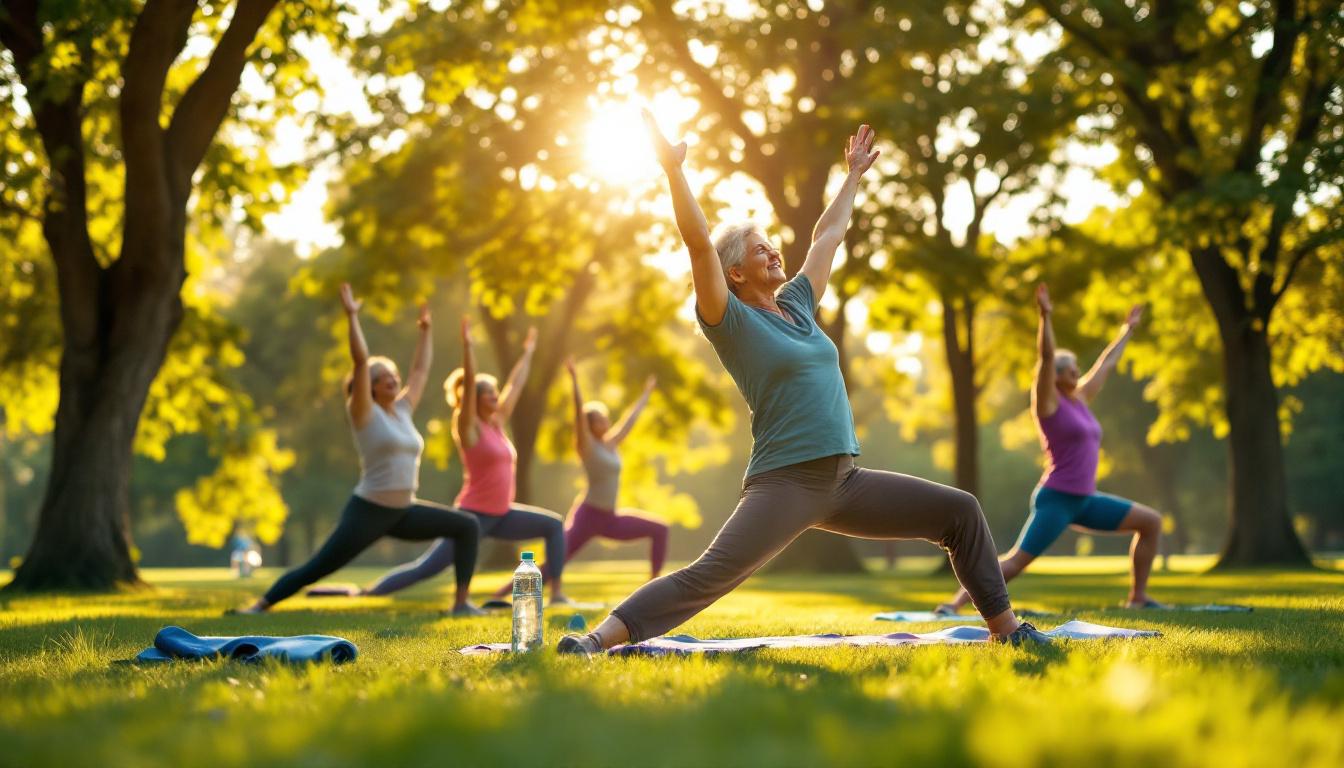

Feeling slowed down by age is common, but it doesn’t have to dictate your daily life. For those over 50, adopting a practical morning exercise routine can provide a remarkable energy boost and improve healthy aging without the hassle of a traditional gym setting. These five exercises are designed to target key muscles, enhance joint mobility, and build strength crucial for sustaining independence and vitality. By integrating this simple regimen into the start of your day, it’s possible to rejuvenate your body, improve posture, and increase overall stamina, all while avoiding crowded fitness centers and complicated equipment.
Effective Home Workout For Age 50 Plus
Morning exercises tailored for those over 50 require a focus on functionality rather than intensity. The right movements engage the muscles responsible for daily activities such as climbing stairs or carrying groceries, while protecting joints from unnecessary strain. A functional home workout using just dumbbells and bodyweight exercises supports building muscular endurance and balance, essential components in preventing falls and maintaining agility. These workouts also stimulate metabolism, key to reversing muscle loss and improving cardiovascular health as the body ages. For example, the goblet step-up is a powerful exercise that combines stability and strength training for the lower body. Holding a dumbbell at chest height while stepping onto a raised surface mimics real-life motions involved in everyday tasks. This particular move not only reinforces muscle groups like the quadriceps and glutes but also enhances neuromuscular coordination.
Consistency is fundamental. Even fifteen minutes of well-planned morning exercises can make a significant difference over weeks for individuals over 50 who want to reclaim their physical capabilities without spending hours at the gym. Incorporating balance-focused movements alongside strength training helps maintain a foundation of movement quality and lowers injury risk. Such routines also complement nutritional strategies that emphasize protein intake for muscle preservation, creating synergy for overall well-being.
Why Push-Ups Are a Gym Alternative After 50
Push-ups remain one of the most effective exercises for building upper body strength and endurance, vital for those over 50 seeking to enhance their fitness without gym dependency. This compound movement targets the chest, shoulders, triceps, and core simultaneously, fostering improved posture and reducing shoulder pain—common issues as people age. The engagement of scapular muscles during push-ups significantly supports shoulder joint health by promoting stability and controlling motion. Variations such as incline or decline push-ups allow customization based on individual capacity, ensuring accessibility for beginners and progression toward more challenging forms. Regularly performing push-ups can lead to increased bone density, contributing to fracture prevention—a crucial aspect of healthy aging.
Beyond muscle strengthening, push-ups stimulate metabolic function due to the involvement of large muscle groups, helping to maintain a healthy weight and energy balance. For those over 50, the ability to perform multiple consecutive push-ups also correlates with better cardiovascular fitness markers, as the exercise does not only challenge muscles but encourages oxygen consumption and circulation. Over time, maintaining a consistent push-up routine can elevate endurance and functional capacity, ultimately enabling simpler execution of daily activities and less reliance on external gym equipment.
Glute Bridges: Core Strength and Posture Enhancement
The dumbbell glute bridge targets the largest muscle group in the human body—the gluteus maximus—critical for supporting posture and spinal alignment, especially important after age 50. Strengthened glutes reduce the load on the lower back, a common site of discomfort and injury in aging adults. This exercise also improves hip mobility and stabilizes the pelvis, contributing to improved balance and walking efficiency. Performed by lying on the back, feet flat on the floor, and pressing the hips upward while holding a dumbbell, the glute bridge challenges the posterior chain without excessive spinal compression. This movement encourages proper alignment and builds power crucial to age-friendly performance, such as rising from a chair or navigating uneven surfaces outdoors.
Regular engagement in glute bridges can reverse typical age-related declines in muscle activation in this region, which often leads to falls or mobility limitations. Variations like single-leg glute bridges or elevated versions using a bench further adapt the exercise to individual capability and progression needs. The focus on squeezing the glutes at the top of the movement enhances neuromuscular connection, promoting muscular endurance and overall body control in daily life scenarios.
Upper-Back Strengthening With Bent-Over Rows
The alternating bent-over row is essential for building upper-back strength and improving posture for those over 50, as it targets muscles like the lats, rhomboids, and rear deltoids. Over time, these muscles typically weaken, contributing to rounded shoulders and spinal misalignment. Strengthening this area helps maintain a healthy, upright posture and mitigates risks associated with kyphosis or forward head posture. Executing the row with dumbbells involves hinging at the hips while keeping the spine neutral, pulling weights toward the ribcage in an alternating fashion. This unilateral movement enhances balance and coordination, activating stabilizer muscles that preserve joint integrity. Strong back muscles also support shoulder health, reducing pain and improving mobility.
In addition to posture benefits, bent-over rows engage the core and promote grip strength, both important indicators of functional fitness and independence beyond age 50. Proper form includes squeezing the shoulder blades together at the top of each repetition, which maximizes muscle activation and reinforces stabilizing muscles. Variations using resistance bands or performing supported rows accommodate different fitness levels and help promote progression while preventing overuse injuries.
Bird-Dog: Balance and Core Control for Healthy Aging
The bird-dog exercise might appear simple but plays a crucial role in building balance, core stability, and spinal health for the 50-plus demographic. This movement activates deep core muscles like the transverse abdominis and multifidus, essential for protecting the spine during everyday motion. It also promotes coordination between the upper and lower body, vital for maintaining smooth, controlled movements that become compromised with age. Performed on hands and knees, extending opposite arm and leg simultaneously, the bird-dog fosters neuromuscular control by forcing the body to stabilize while moving limbs independently. This dynamic stability training improves overall motor control and reduces fall risk, which is a major concern after 50 years of age.
Incorporating bird-dogs into a daily routine improves posture by encouraging a neutral spine and developing muscle endurance along the back. Modifications like adding knee tucks or resistance bands increase difficulty and maintain progression. Strong core and balance not only enhance athletic pursuits but also contribute directly to safer, more confident movement throughout daily life. Ultimately, the bird-dog is an accessible yet powerful tool to rejuvenate and empower older adults aiming for longevity and quality of life.
