
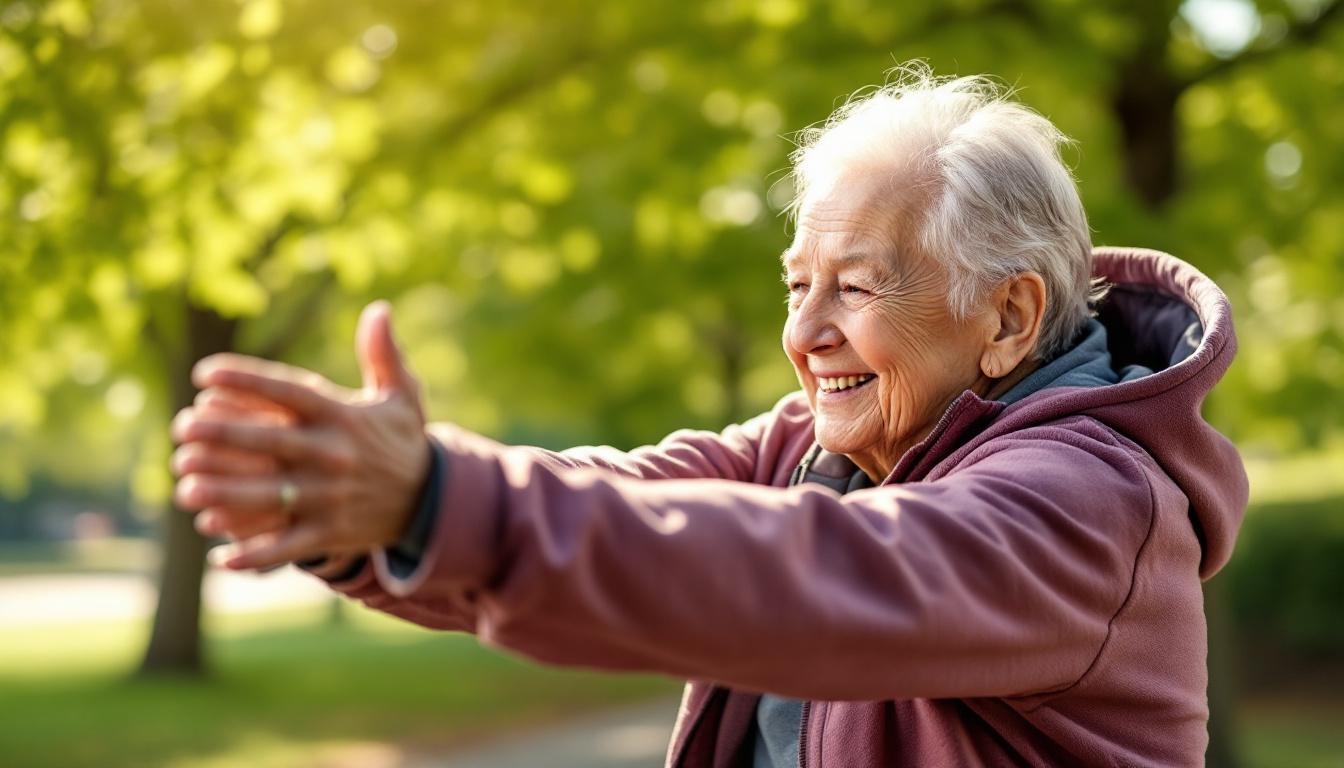

Longevity doesn’t have to mean fragility. A century-old individual remains vibrant, independent, and physically capable through a carefully curated routine centered on nine key exercises. These moves focus not only on building strength but also on enhancing balance, mobility, and overall wellbeing. Scientific research consistently backs the role of targeted physical activity in fostering an active lifestyle that counters the declines typically associated with aging. Below, we delve into each exercise and the benefits they offer, providing a blueprint for seniors to maintain their independence.
Building Strength With Functional Movements
Muscle strength is a cornerstone of senior health and independence. The nine exercises emphasized by longevity experts focus on practical strength, often called functional strength—the kind that supports daily activities. For example, exercises using simple dumbbells can greatly improve muscle tone and bone density without overwhelming the body. Movements like dumbbell squats, deadlifts, and overhead presses mimic natural body motions, helping maintain the ability to lift, carry, and move with ease. A routine centered on these exercises can stem muscle loss frequently observed in later years.
Incorporating resistance training with manageable weights is vital. Starting with lighter dumbbells and progressively increasing weight stimulates muscle fibers and promotes muscle endurance. These workouts also help prevent osteoporosis by encouraging bone health, essential for reducing fracture risks. Strength training, even for those above 60, encourages better metabolism and aids in maintaining a healthy weight, factors crucial to longevity.
Some specific dumbbell exercises that have shown profound benefits in seniors include Romanian deadlifts focusing on hamstrings and glutes, and overhead presses strengthening the shoulders and arms. For a practical guide, see dumbbell glutes exercises and exercises with two dumbbells.
Improving Balance Through Targeted Workouts
Maintaining balance is a major challenge with aging, often linked to falls that can drastically impair independence. The nine exercises prioritize balance training, a critical aspect of an active lifestyle for seniors. Balance-enhancing workouts include lunges, single-leg stands, and seated leg raises that challenge the body’s stability systems. When practiced regularly, these exercises recalibrate the nervous system and strengthen key stabilizing muscles.
Balance is not only about preventing falls but also about enhancing confidence. Seniors with better balance can confidently navigate daily tasks such as stepping onto curbs, climbing stairs, or walking on uneven surfaces. Gradually increasing the complexity of movements, from static to dynamic balance tasks, trains the body’s proprioception and reflexes.
For those who find traditional balance exercises demanding, chair-based leg movements and gentle Pilates can be remarkably effective. Designed for mobility improvement, these adjustments accommodate different fitness levels while addressing core stability. More exercises targeting these goals can be found at chair leg exercises and Pilates exercises for older women.
Enhancing Mobility and Flexibility Daily
Longevity isn’t just about strength—it’s also about maintaining a fluid range of motion and reducing stiffness. The nine exercises blend dynamic stretches with movements aimed at joint health. For example, exercises such as hip rotations, arm circles, and spinal twists increase joint lubrication and help sustain mobility. This is essential for tasks like reaching shelves, dressing, or simply turning around safely.
Research highlights that increased mobility correlates with less chronic pain and fewer injuries in seniors. These benefits ultimately support an independent lifestyle by enabling smooth, pain-free movement. Incorporating exercises specifically designed to enhance mobility can rejuvenate muscle function and improve circulation, reducing the effects of sedentary behavior common in advanced years.
Programs that integrate these principles recommend including walking with arm movements to engage upper and lower body joints simultaneously, as found in walking arm exercises over 50. Developing a morning routine with targeted stretching—like those outlined in morning exercises for seniors—creates a foundation for daily wellness.
Supporting Core Strength for Independence
Core strength is often overlooked but plays a pivotal role in balancing the body and supporting spine health. The nine exercises emphasize strengthening abdominal and back muscles, critical for posture and injury prevention. A strong core allows for better upright positioning and reduces back pain that can restrict activity levels in seniors.
Effective core workouts for seniors often include modified planks, seated pelvic tilts, and gentle Pilates moves focusing on controlled breathing and muscle engagement. These exercises promote not only strength but also awareness of body alignment, which is crucial for reducing fall risks. For tailored routines, numerous seniors turn to gentle Pilates options highlighted at gentle Pilates core for 60+.
Building a resilient core also assists in everyday activities like carrying groceries or standing up from a chair without assistance, underlining its importance for remaining independent. Combining core strengthening with full-body conditioning magnifies overall fitness benefits.
Integrating Consistency for Lasting Benefits
Consistency is the secret that unlocks the full potential of these nine exercises. A regimental schedule focused on strength, balance, and mobility creates a compound effect, enhancing overall wellbeing and functional ability. A balanced weekly plan includes resistance training twice a week, daily mobility and balance work, along with light cardiovascular activity like walking or cycling.
To stay motivated, many seniors join community fitness programs or engage with online resources tailored to their age group. Such programs foster social connection alongside physical benefits, combating isolation. Additionally, regular physical activity encourages better sleep and mental sharpness, vital components of longevity.
For additional support in creating a comprehensive routine, exploring strength exercise programs and essential mobility workouts offers in-depth guidance. This holistic approach ensures seniors remain strong, active, and most importantly, independent well into their later years.
Consistent engagement with carefully selected routines not only prolongs life but enriches it with quality. Following the example of those over 100 who maintain their vitality, integrating these nine exercises promotes a lifetime of health and functional independence.
