
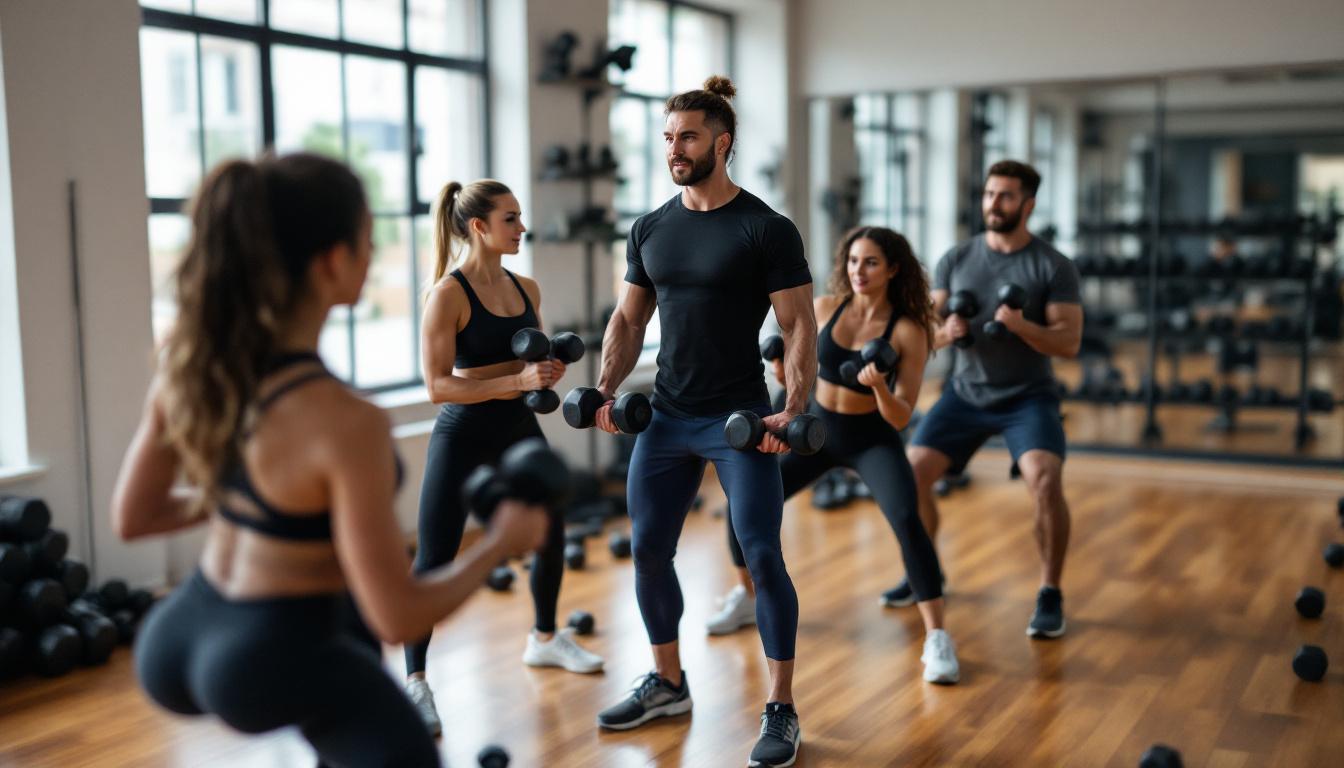

Building stronger, sculpted glutes is no longer confined to gym myths or isolated workouts. Recent expertise from a certified coach highlights the undeniable power of dumbbell exercises in transforming your lower body. Targeting the gluteal muscles through functional, compound movements not only enhances aesthetic appeal but also fortifies stability and mobility crucial for daily activities. Whether at home or in the gym, strategic training with just dumbbells can elevate your strength training and glutes workout to new heights.
Dumbbell Training for Effective Glute Sculpting
The secret to reshaping and strengthening your glutes lies in the precision of your workout selection, particularly when using dumbbells. Unlike machines or barbells, dumbbells offer versatility and the ability to engage stabilizer muscles, amplifying the benefits of lower body exercises. Certified coaches emphasize that glute sculpting isn’t just about lifting heavy weights but about engaging the muscles through controlled, deliberate movements. Incorporating dumbbell exercises targets all three major glute muscles — the gluteus maximus, medius, and minimus — contributing to both muscle building and improved posture.
Research in 2025 confirms that dumbbell workouts can outperform isolated machine work by promoting balance and activating core muscles simultaneously. Dumbbell Romanian deadlifts, for example, are renowned for engaging the entire posterior chain, hitting glutes, hamstrings, and lower back. This compound move enhances strength and functional performance, supporting stronger hips that protect the lower back from injury. Moreover, dumbbells facilitate unilateral training, which helps correct muscle imbalances often found in sedentary lifestyles.
Experts recommend scheduling glutes-focused strength exercises at least once or twice a week. Consistency with these dumbbell workouts, complemented by proper nutrition, promotes hypertrophy and shapes a well-rounded silhouette. The key lies in progression – gradually increasing load, volume, or intensity over weeks to avoid plateaus.
Master the Lunge: Weighted Curtsy Lunges for Glute Activation
Among the array of dumbbell exercises, curtsy lunges stand out for their unique ability to target the gluteus medius and inner thigh muscles. This move requires stepping one leg behind and around the supporting leg, mimicking a curtsey, and emphasizes lateral hip stability—a crucial component for injury prevention and enhanced athletic performance. Certified coaches highlight that curtsy lunges strengthen the often neglected lateral glute muscles, improving side-to-side hip control.
To perform this exercise effectively, start with light dumbbells for balance, maintaining an upright torso and braced core. The rear knee should bend deeply toward the ground without touching it, engaging the glutes maximally during both eccentric and concentric phases. A recent study showed participants who incorporated weighted curtsy lunges into their routine experienced a 15% increase in gluteus medius activation over six weeks, supporting better gait mechanics and posture.
In addition to toning, this exercise enhances hip flexibility, making it ideal for individuals dealing with stiff hips or lower back discomfort. Integrating curtsy lunges with a focus on form can be a game-changer for anyone conducting stiff hips pilates moves or similar mobility workouts, offering strength-building without compromising joint health.
The Power of Staggered Stance Deadlifts in Home Workouts
Staggered stance deadlifts are a dynamic, compound exercise widely praised by certified coaches for their glute centric benefits. This variation of the classic deadlift places one foot slightly behind the other, allowing focused resistance that isolates and strengthens the glutes and hamstrings. What makes this exercise particularly useful is its applicability in home workouts where gym equipment may be limited.
Using dumbbells, the staggered stance deadlift supports muscle building by encouraging proper hip hinging while reinforcing core stability. This move demands balance and coordination, making it effective not only for strengthening but also for improving neuromuscular control. Incorporating this exercise into your routine complements a comprehensive glutes workout strategy by targeting the posterior chain robustly.
To maximize results, focus on a slow eccentric phase—lowering the dumbbells with control to enhance muscle engagement. Switching sides after each set balances development and addresses any asymmetries. For individuals transitioning to or maintaining strength post-age 50, incorporating such strength exercises with dumbbells can be critical for sustaining mobility and preventing injury, as underlined in strength exercises guidelines updated recently.
Single-Leg Squats: Advanced Glute Sculpting and Stability
Single-leg squats, including pistol squat variations, represent a high-level glute strength training exercise that demands balance, power, and joint stability. Certified trainers recommend mastering this move to develop unilateral glute strength and improve lower body symmetry. This exercise activates not just the gluteus maximus but also challenges the entire lower kinetic chain, encouraging better coordination and injury resilience.
Using dumbbells adds resistance that further sculpts muscle and improves proprioception. Beginning with modified versions, such as supported single-leg squats or partial ranges of motion, sets the foundation for progression towards the full pistol squat. Regular practice enhances muscle building and functional fitness, providing a notable impact on overall lower body strength.
Recent fitness trends emphasize the inclusion of such exercises to complement more conventional morning exercises over 50, addressing balance deficits common with age. Furthermore, these movements are celebrated for their booty’s sculpting effects and their ability to improve stability required for dynamic daily movements.
Integrating Dumbbell Workouts into Holistic Glute and Core Programs
While focusing on glute sculpting, it’s important to remember that your glutes are an integral part of your core muscle system. Strength and stability in this region contribute to improved posture, athletic performance, and injury prevention. Certified coaches recommend pairing dumbbell-based glute exercises with complementary core and hip mobility work for optimum results.
A well-rounded plan incorporates exercises like dumbbell hip thrusts paired with core-focused moves such as kettlebell swings or targeted pilates maneuvers. This approach ensures that the glutes function synergistically with surrounding muscles, improving strength training effectiveness. For enthusiasts eager to deepen their regimen, integrating recommended kettlebell core moves can elevate overall fitness and endurance.
Importantly, progressive overload should be carefully managed to avoid overtraining. Training glutes two to three times per week allows ample rest and recovery, essential for muscle building. Also, optimal nutrition supports this process, with a focus on protein intake tailored to individual exercise levels.
Adding dumbbell exercises to your routine not only sculpts your glutes but also complements whole-body fitness, making these movements a cornerstone for anyone serious about strength and longevity.
