
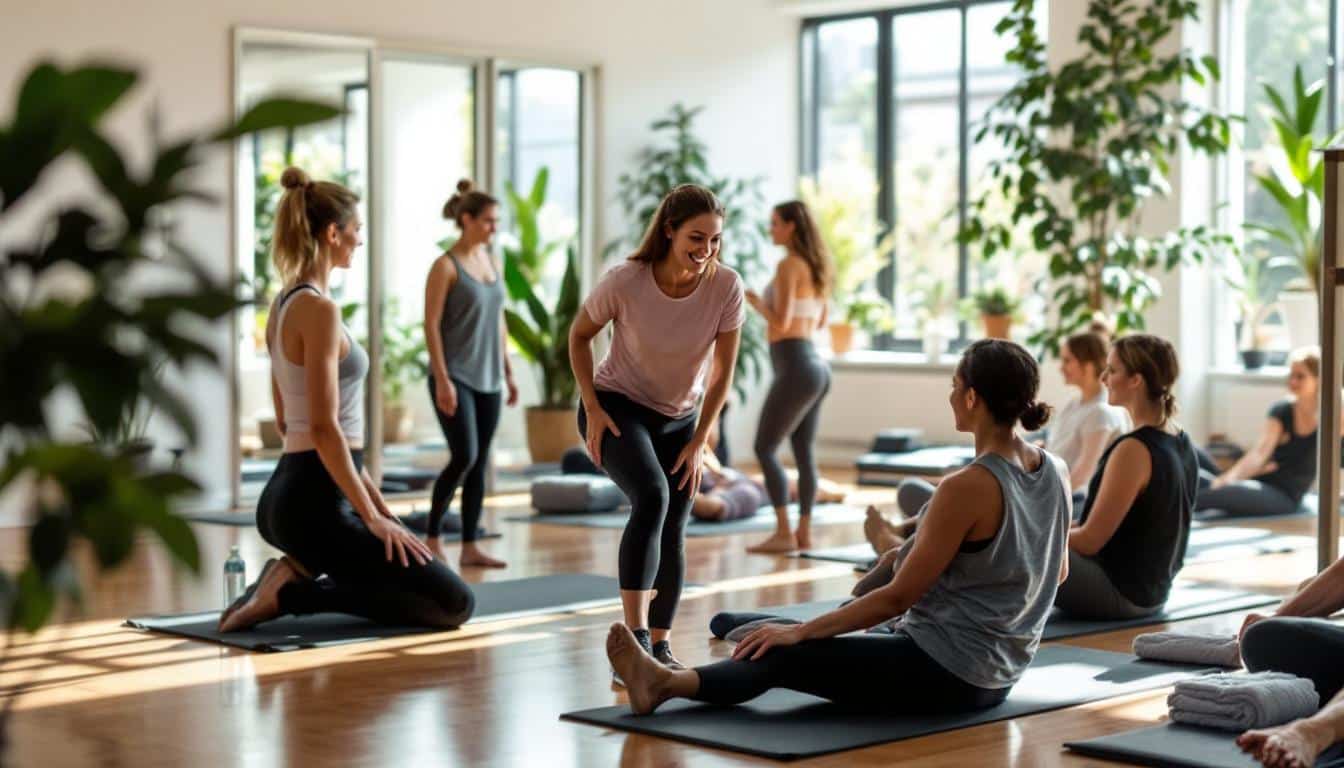

Stiff hips often emerge from prolonged sitting or lack of movement, leading to discomfort and reduced mobility. Fortunately, Pilates offers a series of expertly crafted exercises designed to enhance hip flexibility and strength without placing undue strain on the body. With the hips being central to daily movement, improving their function not only eases pain but also boosts overall posture and core stability. These game-changing Pilates movements target hip mobility and coordination, making them essential tools in any wellness routine.
Understanding Hip Stiffness and Mobility
Stiff hips can significantly impair daily activities, causing tightness that reverberates through the lower back and legs. This common issue often stems from sedentary lifestyles, where muscles around the hips weaken and lose flexibility. When hip mobility decreases, it not only limits range of motion but also compromises balance and stability. Pilates is uniquely suited to counter these effects, as it emphasizes controlled, low-impact movements that simultaneously lengthen and strengthen muscles.
Scientific studies underscore the necessity of hip mobility for holistic well-being, linking restricted hip function to increased risk of injury and chronic pain. For instance, hip stiffness can influence gait patterns, raising susceptibility to falls, especially in older adults. By integrating pilates exercises focusing on hip stretches and movement techniques, individuals can restore natural alignment and reduce discomfort.
Incorporating Pilates in daily regimes is supported by research showing improvements in core strength and joint flexibility. Unlike high-intensity exercises, Pilates minimizes strain on joints while maximizing muscular engagement. This approach is valuable for people across age groups, whether recovering from injury or aiming to maintain an active lifestyle. In fact, a regular Pilates practice can be a preventative measure against the stiffness commonly experienced with aging.
Prominent Pilates instructor Maia Henry emphasizes that the hips serve as a cornerstone in bodily motion, underlying movements from simple walking to complex athletic actions. Strengthening hip muscles through sequential, mindful exercises improves coordination and allows for better posture and alignment throughout the body. These benefits extend beyond physical fitness, positively impacting how individuals perform everyday tasks.
Seven Essential Pilates Exercises for Hip Flexibility
Focusing on a set of seven specifically curated Pilates moves can transform hip flexibility and reduce stiffness effectively. These exercises combine strength and stretching to mobilize the hip joints and engage core muscles seamlessly. Following a consistent program helps loosen tight muscles and aches associated with inactivity or chronic tension.
1. Glute Bridge: Lying on your back with feet hip-width apart, pressing through the heels raises the hips, emphasizing glute activation. Holding the top position strengthens lumbar support and encourages hip extension. Two sets of twelve repetitions can stimulate blood flow and muscle engagement.
2. Fire Hydrant: Begin in a tabletop position; raising one knee laterally involves stabilizing the pelvis using core strength. This move enhances hip abduction and strengthens rotational control vital for healthy hip mechanics.
3. Clamshell: Performed lying on one side with knees bent, lifting the top knee while keeping feet together targets the outer hip muscles. Adding a slight hip lift increases intensity, improving external rotation and stability.
4. Lunges: Stepping forward with one leg and lowering hips to create 90° angles at both knees activates hip flexors and extensors. Adding weights like dumbbells provides additional resistance, building endurance.
5. Lying Leg Lift: Supported by the lower arm, lifting a straightened leg parallel to the floor strengthens the hip abductors and stabilizers, essential for lateral movements.
6. Hip Circles: Gentle circular motions while standing or in tabletop position promote joint lubrication and increase range of motion, helping maintain fluid movement and reduce stiffness.
7. Pelvic Tilts: Controlled tilting of the pelvis while lying down enhances awareness of the hip area and strengthens core integration, addressing posture and hip alignment simultaneously.
Integrating these exercises into a weekly routine provides a balanced approach to increasing mobility, preventing hip-related pain, and empowering functional movement. Combining strength work with stretches ensures both flexibility and stability improve together, which is critical for longevity in motion.
How Core Strength Enhances Hip Function
The interconnectedness of core strength and hip mobility is often underestimated, yet core muscles underpin pelvic stability and influence how hips move. Weak core muscles can lead to compensations in hip positioning, increasing stiffness and discomfort. Pilates strongly emphasizes core engagement, making it a powerful method for holistic hip health.
Through precise breathing techniques and controlled movement, Pilates recruits deep abdominal muscles that support spinal alignment and pelvic control. As the hips rely on a stable base, strengthening the core prevents excessive load or misalignment during movement. This synergy aids in pain relief and enhances athletic performance by refining coordination across muscle groups.
Studies support that individuals incorporating core-focused pilates exercises report fewer episodes of hip pain and improved range of hip flexibility. For example, athletes or active adults benefit from improved power transfer and injury prevention when core and hip muscles function harmoniously.
The integration of these movement techniques in pilates also caters to rehabilitation purposes. After injuries or surgery, regaining proper core and hip function reduces recovery time and improves functional outcomes. Additionally, for those over 50, combining core strength and hip exercises can combat natural muscle loss and maintain independence in daily activities.
With the growing interest in maintaining mobility with age, resources such as specialized workout apps and online routines offer accessible avenues for practicing these methods. Encouragingly, pilates exercises tailored for hip and core engagement have been highlighted as effective approaches for women over 60, demonstrating benefits across lifespan.
Pilates as a Strategy for Hip Pain Relief and Long-Term Mobility
Managing hip pain is a complex challenge, often requiring a multifaceted approach. Pilates offers a non-invasive, sustainable solution that addresses stiffness and discomfort by improving joint mobility and muscle balance. Consistency is key, with gradual progression enabling lasting improvements without aggravating symptoms.
Therapeutic Pilates programs developed by instructors like Maia Henry prioritize gentle movement combined with strength-building, promoting circulation around the hip joint. This addresses inflammation and reduces the risk of chronic conditions such as osteoarthritis. The low-impact nature makes Pilates a preferred choice over high-impact activities for individuals seeking hip pain relief.
In practical terms, adopting Pilates exercises can complement other interventions like physical therapy or lifestyle adjustments. For example, incorporating essential mobility exercises alongside Pilates enhances flexibility and prevents stiffness from reoccurring. Real-life cases show individuals transitioning from debilitating hip pain to improved functionality and quality of life after engaging in such tailored routines.
Moreover, Pilates can foster awareness of body mechanics, teaching individuals to move efficiently and avoid harmful postures that exacerbate hip stiffness. This educational component equips people to take control of their health proactively, reducing reliance on medication or invasive treatments.
For those managing aging or chronic conditions, Pilates remains a robust component of holistic care. Its adaptability allows modifications based on individual capability, making it a practical choice for diverse populations. Refined movement techniques also contribute to better balance and coordination, key factors in preventing falls and injuries.
Practical Tips to Incorporate Pilates Into Daily Life
Successfully integrating Pilates into a health routine requires thoughtful planning and awareness. Setting aside dedicated time, even 15 to 20 minutes, can yield meaningful progress in hip flexibility and core strength. The following list outlines effective strategies for maximum benefits:
- Choose beginner-friendly routines: Starting with simple exercises ensures proper form and reduces the risk of injury.
- Use reliable guided resources: Leveraging apps or videos led by certified Pilates instructors promotes consistency. For instance, online workouts for daily exercise after 50 provide tailored regimens nurturing hip mobility.
- Focus on breathing: Coordinating breath with movement enhances muscle engagement and relaxation.
- Maintain regular frequency: Performing exercises three to four times weekly supports lasting improvements.
- Incorporate complementary exercises: Adding kettlebell core moves builds overall functional strength reinforcing hip stability.
For many, integrating Pilates into daily life also means adopting mindful movement and posture awareness during routine activities, further protecting hip health. With an emphasis on slow, deliberate actions, pilates exercises help counterbalance the repetitive strain caused by prolonged sitting or improper ergonomics.
As hip stiffness commonly stems from a blend of factors, combining movement strategies with lifestyle modifications assures the best outcomes. This proactive approach will keep hips resilient and pain-free, supporting a vibrant, active lifestyle at any age.
