
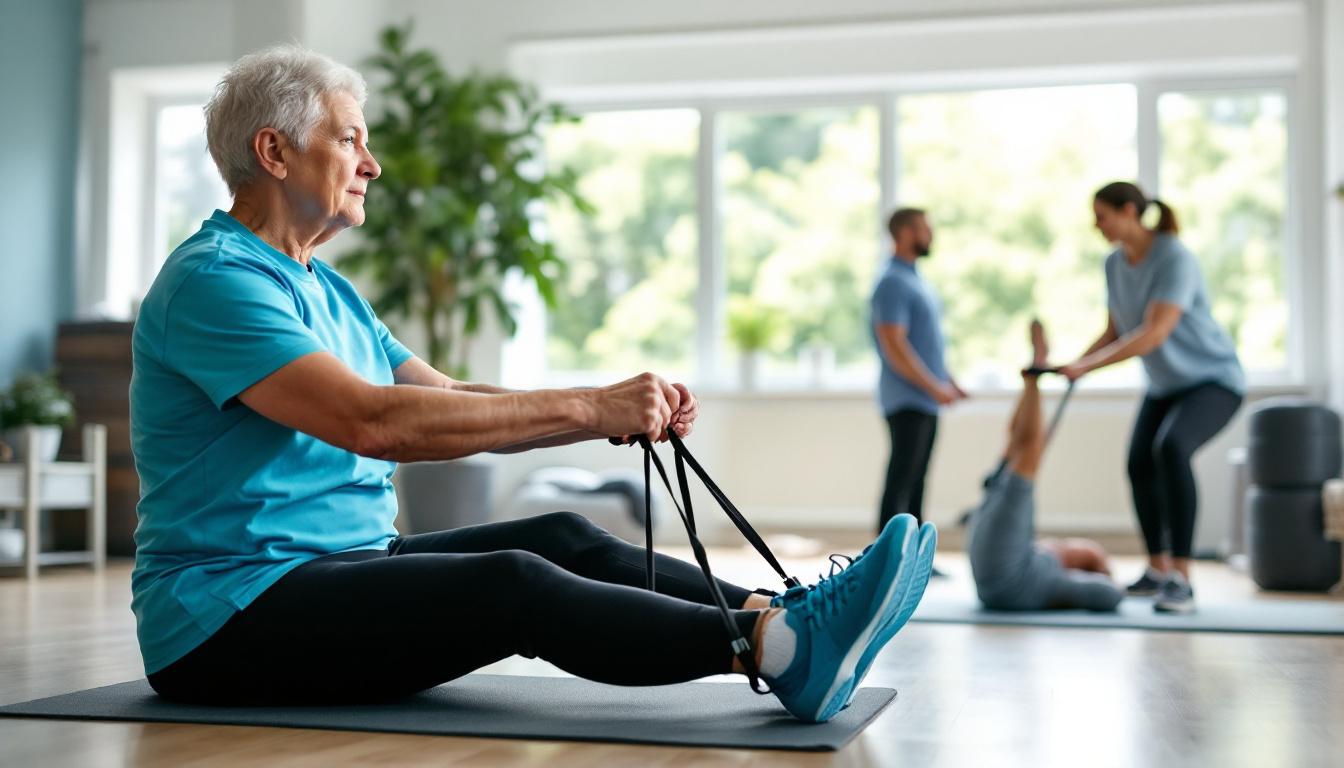

Maintaining mobility and independence is a priority as we age. The natural progression of aging brings challenges such as muscle loss, reduced flexibility, and diminished balance, all of which can affect daily life. However, incorporating targeted exercises into a daily routine can counter these effects effectively. These movements require only minutes each day and focus on boosting strength, flexibility, and stability, essential components for preserving autonomy and quality of life.
Understanding Aging and Mobility Challenges
As the years advance, the body undergoes inevitable transformations that directly impact physical ability and independence. Muscle mass declines at an average rate of 1-2% annually after age 50, a process known as sarcopenia. This decline weakens muscular strength, making routine activities like standing up or climbing stairs more difficult. Simultaneously, joints stiffen due to decreased collagen production, limiting flexibility and range of motion.
Balance also tends to deteriorate, influenced by slower nerve conduction and diminished proprioception, increasing the risk of falls—a leading cause of injury among seniors. These changes highlight the importance of exercises that not only build strength but also enhance flexibility and balance, ultimately reducing fall risk and promoting safe movement.
Daily functional fitness plays a crucial role here. Functional exercises mimic real-life motions, engaging multiple muscle groups to improve coordination. For example, the sit-to-stand movement strengthens legs and hips, enabling easier transfers from chairs or beds. Likewise, balance drills such as heel-to-toe walking train the nervous system to maintain stability in challenging scenarios.
Integrating strength training into older adults’ routines benefits bone density as well. Resistance exercises stimulate bone remodeling, helping to mitigate osteoporosis risks. Flexibility exercises maintain joint lubrication and improve posture, further supporting mobility. Ultimately, a holistic approach combining strength, flexibility, and balance is essential to sustain independence through healthy aging.
Five Key Exercises to Enhance Strength and Functional Mobility
Targeted exercises that address major muscle groups and joint mobility can dramatically improve day-to-day function in older adults. Performing these movements regularly helps counter muscle loss and joint stiffness, enhancing physical capability and safety.
Below is a detailed list of five essential exercises suitable for seniors, emphasizing ease of execution and effectiveness:
- Seated Marching: Sitting upright, lift knees alternately as if marching. This low-impact movement increases hip flexor strength and promotes circulation, which is crucial to avoiding stiffness. Begin with 10-15 repetitions per leg and progress gradually.
- Wall Push-Ups: Standing facing a wall, bend elbows to bring chest closer, then push back. This exercise strengthens chest, arms, and core muscles, essential for daily activities like pushing doors. Adjust the distance to manage resistance.
- Sit-to-Stand: From a seated position with feet flat, stand up slowly and then sit back down. This movement targets quadriceps and gluteal muscles, improving leg power necessary for walking and transfers. Use armrests for support if needed.
- Heel-to-Toe Walk: Walking in a straight line, place the heel of one foot directly in front of the toes of the other to challenge balance. This activity trains coordination and reduces fall risk.
- Chest Opener Stretch: Standing or sitting, clasp hands behind the back and gently lift the chest, squeezing shoulder blades. This corrects posture issues caused by prolonged sitting and screen time, improving shoulder mobility and breathing.
Executing this set daily can maintain or even improve muscle strength, balance, and flexibility, critical for maintaining autonomy. Adaptations and modifications make these exercises accessible for various fitness levels and physical limitations.
Balancing Flexibility With Strength Training for Senior Health
Flexibility and strength training are pillars of senior health, preventing falls and enhancing overall quality of life. While strength training builds muscle power and bone density, flexibility exercises keep joints supple and muscles lengthened, facilitating better movements.
Prolonged stiffness impairs functional movements and elevates injury risk. Stretching routines, such as the chest opener or gentle yoga-inspired moves tailored for seniors, alleviate tightness and restore natural motion patterns. These exercises support healthy posture, preventing hunched shoulders and back pain commonly reported among older adults.
Strength training should focus on both major and often neglected muscle groups that tend to weaken with age. Programs incorporating resistance bands or body weight exercises strengthen supporting areas around joints, reducing strain and improving control. Increasing research emphasizes the importance of targeted strength training for aging populations to combat sarcopenia and related mobility loss.
Balanced routines combining these elements can be supplemented with functional fitness approaches such as Pilates. Pilates-based moves enhance core stability and coordination, which relate directly to better balance and posture. For women over 60, specific Pilates exercises focus on gentle strengthening and alignment, making them excellent additions to mobility plans.
Consistency and Safety in Daily Physical Activity
Starting a routine after a period of inactivity requires attention to safety and gradual progression. Consistency rather than intensity yields the best long-term outcomes. Even 10-15 minutes a day can lead to noticeable improvements within weeks.
Key considerations to ensure safe practice include:
- Warm-up with light movements to prepare muscles and joints.
- Monitor for pain or discomfort, modifying exercises as required.
- Use supportive equipment such as sturdy chairs or walls for balance.
- Progress repetitions and resistance gradually to avoid overexertion.
- Maintain adequate hydration and pair activity with balanced nutrition.
For many, feeling more energetic and confident in mobility emerges within 3-4 weeks, with benefits to balance and strength apparent by 6 weeks. Integrating simple yet effective morning routines can make exercising feel natural and sustainable, as suggested by modern fitness guides for those over 50 years old.
Nutrition and Lifestyle Aspects Supporting Functional Independence
Physical activity works best alongside proper nutrition and lifestyle choices. Adequate intake of lean protein, calcium, magnesium, and vitamin D is essential for muscle repair, bone health, and energy metabolism. Hydration also plays a crucial role in maintaining joint lubrication and overall vitality.
A balanced diet focused on whole foods boosts exercise performance and recovery, reducing fatigue and injury risk. Furthermore, mental wellbeing correlates with regular physical activity, with studies demonstrating enhanced cognitive clarity and mood in active older adults.
Simple lifestyle habits complement exercise routines in preserving independence:
- Regular movement breaks during sedentary periods
- Mindful stretching throughout the day
- Engaging in community fitness or social activities to maintain motivation
- Prioritizing restorative sleep to aid recovery
Collectively, integrating these elements forms a comprehensive approach to healthy aging. Combining functional fitness with sound nutrition and lifestyle modifications empowers seniors to maintain autonomy and enjoy an active life.
