
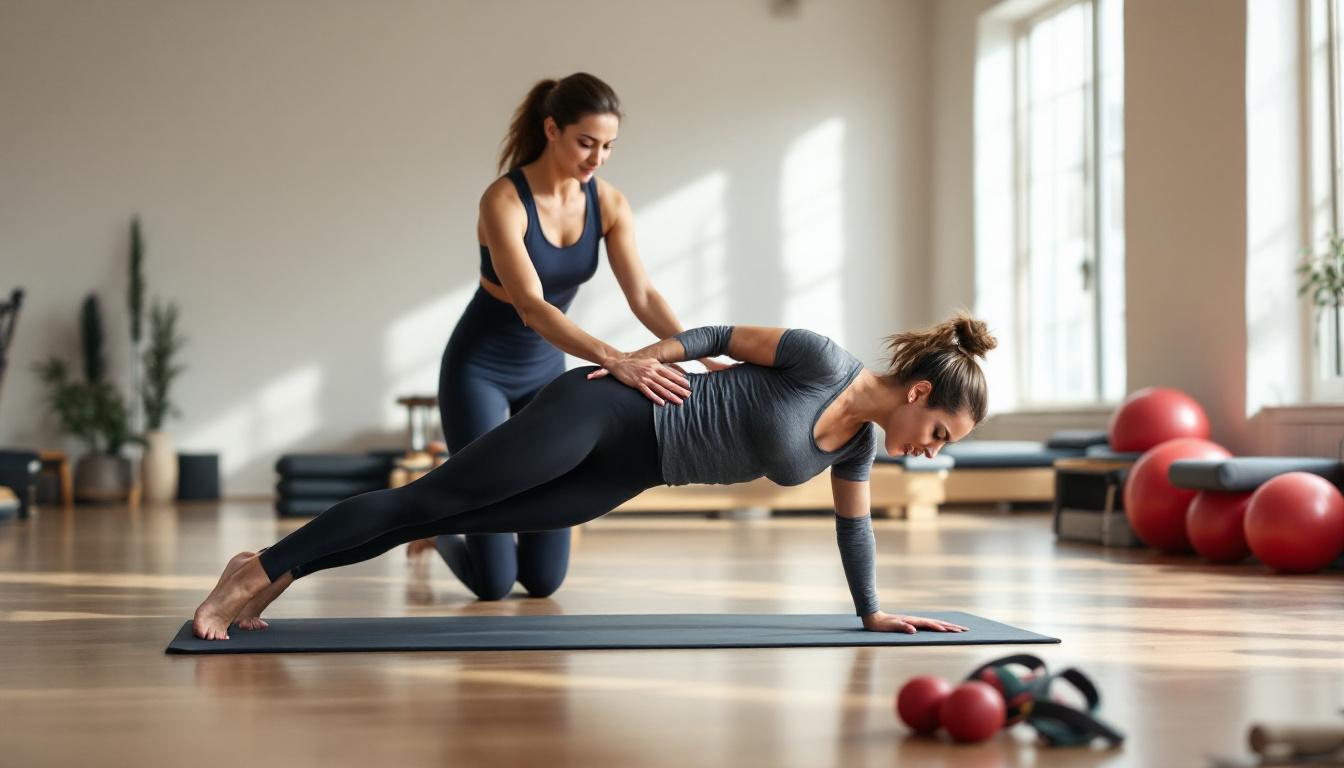

As we age, maintaining physical health becomes increasingly vital, yet many overlook a key area that could dramatically enhance longevity and quality of life. Strength, mobility, and balance are not just buzzwords but essential pillars that safeguard independence and prevent injury. According to expert Pilates instructors, focusing on the core muscles offers the greatest return on effort, supporting posture, joint function, and everyday movement. Embracing targeted exercises can help counter muscle loss, improve flexibility, and boost overall fitness, enabling aging bodies to move with ease and confidence.
THE CORE MUSCLES: FOUNDATION OF AGING WELL
The core muscles, which include the deep abdominal muscles, lower back, hips, and pelvis, form the central support system of the body. Strengthening these muscles is crucial as they stabilize the spine, facilitate balance, and support nearly all daily movements. With aging, muscle mass begins to decline by 3-8% each decade after 30, accelerating past the age of 60. This reduction, known as sarcopenia, often leads to diminished strength, impaired balance, and higher risk of falls—one of the leading causes of injury in older adults.
Focusing on core strength acts as a preventative measure against these risks. Research shows that a strong core reduces lower back pain, enhances posture, and improves functional fitness—helping individuals perform activities like bending, lifting, or carrying groceries with greater ease. Strength training targeting these muscles also combats the natural increase in body fat associated with aging, further decreasing the risk of chronic diseases such as heart disease and type 2 diabetes.
Real-life examples illustrate this benefit: older adults who incorporate core-focused Pilates or resistance exercises into their routine report increased confidence in mobility and reduced incidence of injury. These core workouts improve not only strength but also flexibility and balance, critical for safe movement in day-to-day life.
To optimize core strength, exercises must promote stability and control rather than only raw power. Training should evoke the muscle activation patterns used during natural movement, encouraging muscle endurance and agility. This approach is at the heart of Pilates and its proven benefits in aging populations, offering a low-impact, accessible strategy to maintain fitness long term.
WHY PILATES IS IDEAL FOR MOBILITY AND BALANCE
Pilates is particularly effective for older adults due to its emphasis on controlled, precise movements that enhance flexibility, balance, and strength without joint strain. Unlike high-impact exercises, Pilates targets the core muscles to align and stabilize the body, supporting optimal posture and efficient movement patterns. This is crucial in counteracting the stiffness and loss of range of motion common with age.
Balance declines as the vestibular system and muscle coordination weaken with years, increasing the risk of falls. Pilates integrates balance challenges with strength and flexibility training, promoting neuromuscular coordination. The result is improved proprioception and safer, steadier movement. Notably, a study observed that seniors engaging in Pilates experienced significant improvements in both static and dynamic balance compared to control groups.
The repetitive movements of Pilates also gradually increase flexibility, allowing joints and muscles to maintain their full range of motion. This is essential for independent living, enabling tasks like reaching, bending, or twisting comfortably. From a cardiovascular perspective, Pilates improves circulation and supports healthy blood pressure, complementing traditional aerobic and resistance fitness routines advised for aging adults.
Because Pilates focuses on engaging deep stabilizing muscles and breath control, it promotes mindful movement — a mind-body connection that has been linked to reduced stress and better cognitive functioning. Enhanced cognitive health further supports physical balance and coordination, creating a virtuous circle of wellness.
Those interested in beginning Pilates may consider local classes or instructional videos to safely learn the foundational techniques. Adding Pilates to a regular fitness program supports holistic health, ensuring the body remains resilient and balanced as it ages.
THREE TARGETED PILATES MOVES TO STRENGTHEN THE CORE AND IMPROVE MOBILITY
Paola Di Lanzo, a renowned Pilates instructor, recommends three specific movements that specifically target the core, enhance mobility, and promote balance. These exercises are designed to be safe, effective, and adaptable for older adults starting or deepening their Pilates practice.
1. Glute Bridge
This exercise activates the glutes and lower back while promoting pelvic stability. To perform: lie on your back with knees bent and feet hip-width apart; exhale as you lift hips upward, avoiding arching the lower back; engage core and buttocks at the top; inhale, then slowly lower down by vertebrae. Instructions recommend 3 sets of 8-10 reps. Regular practice strengthens hips, which support core function and improve gait and balance.
2. Roll Down to Plank
Start standing tall, then tuck your chin and roll down vertebra by vertebra until hands reach the floor; bend knees as needed. Walk hands forward to a high plank position maintaining a straight body line, hold briefly, then walk back and roll up. This flow builds core endurance, spinal articulation, and dynamic control. Aim for 3 sets of 8-10 repetitions. Its fluidity enhances both strength and flexibility.
3. Seated Spine Twist
Seated with legs extended or bent, arms outstretched, rotate torso side to side while maintaining a long spine and engaged core. This improves spinal mobility and oblique strength, key elements for rotation and balance in daily activities. Perform 3 sets of 8-10 reps on each side. Emphasis on alignment makes this exercise a cornerstone for posture correction.
Implementing these moves systematically can yield measurable improvements in strength, flexibility, and balance. They are particularly valuable as low-impact exercises that protect joints while challenging core muscles, creating resilience necessary for aging gracefully.
STRENGTH TRAINING: THE BROADER CONTEXT OF AGING FITNESS
While Pilates is a specialized form of exercise ideal for core strength and flexibility, wider strength training remains essential for overall aging well. Muscle mass declines progressively after 30 years of age at 3-8% per decade with sharper drops post-60. This contributes to chronic disease risks including obesity, diabetes, and osteoporosis. Strength training reverses these trends by promoting muscle growth and bone density.
For many older adults, barriers to strength training include fear of injury, lack of knowledge, and joint pain. However, gradual progression and supervision can make it safe and effective. It is recommended to begin with exercises that mimic daily movements—squats, lunges, pushes, pulls, and carries—to maximize functional benefits and reduce sedentary risk. Programs that incorporate these motions help preserve independence while building strength across major muscle groups.
Integrating Pilates with more conventional strength training, such as free weights or resistance bands, delivers a comprehensive fitness approach. Such integration maximizes core stability alongside limb strength, improving mobility and reducing injury risk. For beginners, professional guidance or group classes can foster confidence and correct form. Many communities offer affordable classes geared toward older adults, sometimes covered by health insurance or fitness benefits like Silver Sneakers.
To support this, it’s useful to explore accessible beginner workouts, such as the ones demonstrated in popular online routines designed for those over 50. Combining these with Pilates-based core exercises provides a balanced fitness regimen essential for longevity and quality of life.
HOW TO EMBED PILATES AND CORE WORK INTO DAILY FITNESS
Consistency in fitness routines is vital for maximizing benefits. Embedding Pilates and core strengthening exercises into daily life encourages movement as a lifelong investment. Besides structured exercise sessions, small habits like standing tall during activities, mindful walking, and deliberate posture checks complement formal core training.
Starting slow and focusing on quality movement rather than quantity helps build sustainable habits. For example, integrating a short Pilates routine, including the three targeted moves, can take just 10-15 minutes but yield substantial impact over weeks. Likewise, balancing Pilates with simple strength moves tailored for men and women https://woocity-crossfit.com/49097-exercises-men-strength/ or a banded plank bird dog builds varied muscle groups that support aging bodies.
Daily mobility drills and balance challenges, along with Pilates, improve overall flexibility and reduce fall risk, key for retaining independence. Considering that flexibility diminishes with age, these movements should become a staple of wellness programs for seniors. This combined approach addresses multiple facets of fitness: strength, flexibility, balance, and endurance.
Ultimately, strengthening the core and embedding Pilates-based exercises into routines aligns with modern fitness guidelines and scientific insights. It’s never too late to start, and the payoff includes not only physical resilience but an enhanced sense of well-being and confidence.
